
Buying Guide
Noise cancellation and isolation
For most buyers, the strength and type of noise cancellation is the single biggest factor. Active noise cancellation (ANC) reduces consistent background sounds like airplane engines or office hum, while passive isolation—earcup seal and padding—blocks out higher frequencies. Look for headphones that let you switch ANC modes or tune the level for flight, commute, and quiet environments. For full model comparisons across form factors, check our best over ear headphones.
- What to check: ANC modes, transparency/ambient pass-through, and whether the headphones adapt to pressure or environment.
- Why it matters: Better ANC improves focus and listening enjoyment without cranking volume.
- Example: If you prioritize adaptive ANC and advanced tuning, consider the Sony WH-1000XM6, which advertises adaptive NC optimization and multiple mics for noise control.
Sound quality and customization
Sound is subjective, so prioritize what matters to you: tight bass for electronic music, balanced mids for vocals, or a wider soundstage for movies. Many modern models include an app with EQ presets and custom equalizer settings—handy for tailoring sound without swapping headphones. If you also consider smaller formats, see our best wireless headphones guide.
- What to check: frequency balance, availability of custom EQ or presets, and whether the manufacturer supports Hi-Res or enhanced audio modes.
- Why it matters: Customization lets you adapt a single pair of headphones to multiple genres and sources.
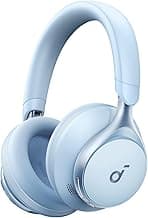
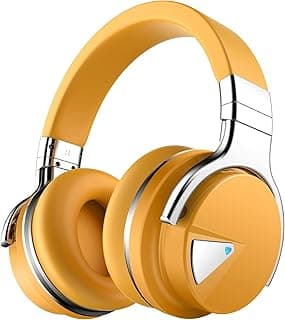
- Example: For strong app-based EQ control and multiple listening modes, the Soundcore Q30 offers a customizable EQ and multiple listening modes.
Battery life and charging
Battery life dictates how worry-free your daily use will be. Consider both single-charge playback time and how quickly the headphones charge. If you travel frequently, look for long runtimes and a fast-charge feature that gives hours of use from a short charge.
- What to check: advertised playback hours with ANC on vs off, and any quick-charge metrics.
- Why it matters: Longer battery life reduces the need to carry cables or a charger; fast charging helps in tight windows.
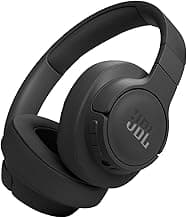
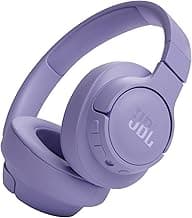
- Example: If long runtimes are essential, the JBL Tune 720BT advertises very extended battery life and speed charge support.
For budget picks that still deliver strong runtimes, see our best budget wireless over ear headphones.
Comfort, fit and build quality
Over-ear headphones are worn for hours, so cushion softness, clamping force, headband adjustability, and earcup size are critical. Durable materials—metal sliders, reinforced joints, or replaceable ear pads—extend lifespan. Lightweight designs help reduce fatigue during long commutes or work sessions.
- What to check: weight, earcup material, headband padding, and whether parts are replaceable.
- Why it matters: A comfortable fit preserves sound isolation and prevents soreness during extended use.
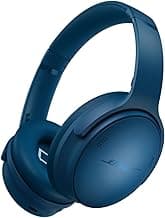
- Example: If a balanced combination of comfort and ANC is important, the Bose QuietComfort Headphones list soft fit, active noise cancelling, and USB-C charging.
If you need studio-grade comfort and isolation for long sessions, our best studio over ear headphones roundup highlights models built for that use.
Connectivity and smart features
Check Bluetooth version, codec support, multipoint pairing, and any built-in voice assistant or app features. Multipoint lets you stay connected to a phone and laptop simultaneously; higher Bluetooth versions typically improve stability and lower latency. Smart features like onboard controls, voice assistants, and companion apps add convenience.
- What to check: Bluetooth version, multipoint capability, supported codecs (if specified), and whether a voice assistant is built in.
- Why it matters: Better connectivity reduces dropouts and makes switching sources seamless.
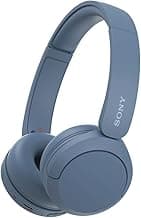
- Example: For voice assistant integration and basic smart features, the Sony WH-CH720N includes Alexa support and standard wireless features.
For models focusing on wireless performance and codec support, check the best bluetooth over ear headphones.
FAQ
Which wireless over-ear headphones have the best noise cancellation?
The best active noise cancellation comes from models that combine strong hardware and adaptive software. If you want top-tier ANC for flights or noisy offices, the Sony WH-1000XM6 is widely rated for its adaptive noise-cancellation and optimized performance. Look for headphones with multiple ANC modes, good passive isolation from the ear cups, and a reliable seal — those factors often matter more than raw marketing claims. Also consider comfort and battery life, because excellent ANC is only useful if you can wear the headphones for long stretches.
How much battery life do I need on wireless over-ear headphones for travel?
For travel you want at least a full workday or overnight flight of continuous playback, so aim for 20–40 hours as a baseline. If you tend to recharge infrequently or take long trips, models offering 40–60 hours give much more peace of mind; for example, the Soundcore Q30 advertises about 50 hours of playtime. Remember claimed hours often assume ANC off and moderate volumes, so real-world times can be lower. Also check fast-charge features and whether the headphones support wired audio for use during long-haul flights.
Do I need Bluetooth multipoint or aptX if I use a phone and laptop?
Bluetooth multipoint lets headphones stay connected to two devices at once, which is helpful if you switch between phone calls and a laptop. If you frequently use a phone and laptop together, multipoint is worth having; if you only pair to one device, it's less important. Codec support like aptX, AAC, or LDAC matters for audio quality and latency, but both the source device and headphones must support the codec to benefit. Prioritize multipoint for workflow convenience and codecs only if you need better fidelity or lower latency for gaming and high-res audio.
What should I look for in comfortable over-ear headphones for long work sessions?
Comfort comes down to clamping force, ear cup materials, weight, and headband adjustment rather than brand alone. Soft memory-foam pads and breathable faux leather or fabric reduce ear fatigue during long sessions, and lighter designs keep pressure off your head. If you plan many hours at a desk or on calls, try models known for long-wear comfort like the Bose QuietComfort Headphones, which are often praised for plush pads and gentle clamping. Also look for swivel ear cups, replaceable padding, and a good carry case if you move between meetings.
Which wireless over-ear headphones offer the best value under $100?
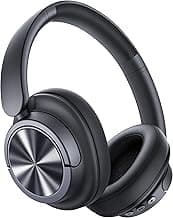
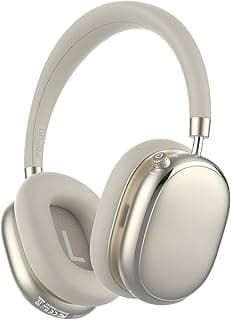
For buyers on a budget, value means balancing sound, battery, and build quality rather than chasing premium features. There are solid options under $100 that offer long battery life and tunable EQ; the BERIBES Headphones are an example, with advertised 65-hour playtime and multiple EQ modes at a low price point. Be realistic: expect simpler ANC or no ANC and more plastic construction in this range, but many budget models still deliver satisfying bass and call performance. If you want better noise cancellation or superior materials, step up in price, but for everyday listening a budget pick can be the best value.
Final Verdict
After comparing the field, the strongest wireless over‑ear headphones separated themselves by reliable ANC, balanced sound, long battery life and a comfortable seal that supports long listening sessions. Weaker options fell short on consistent noise blocking, build quality or app-based tuning. Prioritize effective active noise cancellation, comfortable earcup fit, battery endurance and useful connectivity (multipoint, reliable Bluetooth). The top performers all combined consistent ANC, solid battery life, comfortable padding and accessible sound customization.
🏆 Best Overall: Soundcore Q30 by Anker — Hybrid ANC, Hi-Res, 50H Playtime
💰 Best Budget: Bose QuietComfort Headphones — Active Noise Cancelling, 24H
⭐ Best Premium: JBL Tune 720BT — Wireless Over-Ear with Pure Bass, 76H