
Buying Guide
Sound signature and what to trust
For studio work you generally want a neutral, uncolored sound so edits and mixes translate well across systems. Listen for clear mids (vocals and instruments), controlled bass (not overly boomy) and detailed highs (no excessive sibilance). For specific model recommendations, check our best studio headphones guide.
- Use familiar reference tracks you know intimately to judge neutrality.
- Watch for exaggerated bass or bright treble—those are often consumer tuning, not studio accuracy.
- Consider flat or “broadcast” headphones for mixing, and slightly colored options for casual monitoring.
Open-back vs closed-back: isolation vs imaging
Open-back headphones offer wider stereo imaging and a more natural soundstage, which helps with critical listening and mixing. Closed-back models isolate sound and reduce bleed, making them better for tracking and noisy environments. If you want broader comparisons that include consumer options, see our best over ear headphones roundup.
- Choose open-back if you need accurate spatial cues and are working in a quiet room.
- Choose closed-back if you record with live microphones or need to block ambient noise.
- For an example of an open-back studio option that many engineers use, consider the beyerdynamic DT 990 Pro, which is often recommended for critical listening and mixing scenarios.
Impedance, sensitivity and source compatibility
Headphone impedance and sensitivity determine how much power you need. Higher-impedance models can benefit from a dedicated amp or a high-quality audio interface, while low-impedance phones work well with laptops and portable devices.
- Check your audio interface or mixer output—if it’s modest, favor lower-impedance headphones or plan to add a headphone amp.
- Sensitivity affects perceived loudness; low-sensitivity cans may sound quieter at the same volume setting.
- If you intend to switch between studio gear and mobile devices, prioritize models with broad compatibility or bring a portable amp.
Comfort, fit and long sessions
Studio sessions can last hours, so headband padding, clamping force and earpad material matter. Velour or breathable memory-foam pads are common choices for prolonged use; replaceable pads and cables extend a pair’s usable life.
- Look for lightweight designs with balanced clamping—too tight causes fatigue, too loose affects isolation and positioning.
- Prioritize models with replaceable parts (earpads, cables, adapters) to avoid early replacement.
- Try headphones for length-of-session comfort when possible, or read multiple user reports focused on long-term wear.
Connectivity, extra features and budget
Decide early whether you need purely wired studio monitors or want wireless flexibility. Wired connections remain the standard for latency-free, lossless monitoring; wireless can be useful for casual referencing or mobile work but usually isn’t ideal for critical tracking. If you prefer wireless reference checks, read our best wireless over ear headphones guide.
- Detachable cables and included adapters are a practical plus for studio setups.
- If you need both wired and wireless use, look for models that support high-quality Bluetooth codecs and a wired bypass.
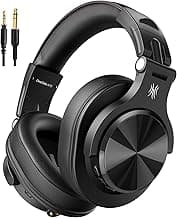
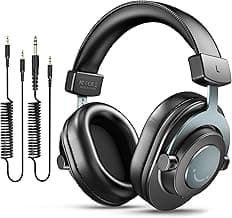
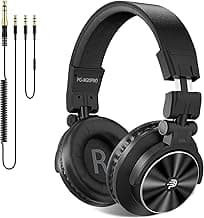
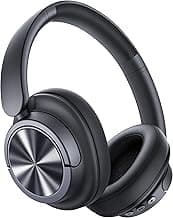
- For solid value in a studio-capable wired package, consider the OneOdio Wired Over-Ear Headphones, which are often recommended where budget and features intersect.
FAQ
What should I look for when buying the best studio over ear headphones?
Prioritize neutral, uncolored sound and a flat frequency response so mixes translate to other systems. Comfort matters for long sessions—look for plush ear pads and an adjustable headband. Choose wired connectivity for consistent signal and no latency during tracking or detailed editing. For an affordable all-around option, consider the OneOdio Wired Over Ear Headphones, which balance comfort and monitoring features for home studios.
Are open-back or closed-back headphones better for mixing and tracking?
Open-back headphones generally give a more natural, spacious sound that helps when mixing and assessing stereo imaging. Closed-back models isolate sound and prevent bleed, which makes them preferable for tracking vocals or recording with microphones. Many engineers use open-back for mixing and switch to closed-back for recording sessions. If you want an open-back studio reference, the beyerdynamic DT 990 PRO is a common choice for its clear, airy presentation.
Can I use wireless or consumer headphones for studio work?
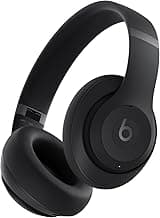
Wireless consumer headphones can be convenient, but Bluetooth compression and latency make them less reliable for critical monitoring and timing-sensitive tasks. Battery life and features like ANC can also color the sound or introduce variability between sessions. For tracking and precise mixing, a wired, studio-grade pair is recommended to avoid these issues. Wireless models such as the Beats Studio Pro are fine for casual listening or reference checks, but not as a primary studio monitor option.
Which studio over-ear headphones are best for beginners on a budget?
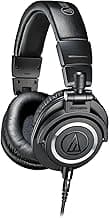
Beginners should look for durable, comfortable headphones with a neutral sound at an accessible price. Entry-level studio models often offer detachable cables and replaceable pads, which extend lifespan and value. The Audio-Technica ATH-M20x is frequently recommended for first-time buyers because it focuses on monitoring clarity without a high price tag. For more budget picks, see our best budget over ear headphones list. Pair them with simple care habits and they’ll serve well as you learn mixing and tracking basics.
How do I maintain studio headphones so they last longer?
Store headphones in a case or on a stand to avoid headband warping and cable stress, and keep them away from direct sunlight and humidity. Clean ear pads and earpiece surfaces regularly with a soft, slightly damp cloth and replace pads when they wear out to maintain sound and comfort. Avoid winding the cable tightly—use loose loops or a Velcro strap to prevent internal wire damage. Lastly, keep a spare cable and pads on hand so you can swap worn parts without downtime.
Final Verdict
Strong performers stood out through balanced, accurate sound, durable build, and comfortable pads—weak options traded clarity or comfort for lower price. Prioritize driver accuracy, fit/comfort, and whether you need closed isolation or open-back detail for your workflow. The best headphones combined reliable construction, consistent midrange detail, and long-session comfort, which makes them dependable tools for tracking, mixing, and extended listening. If price is your main concern, visit our best budget headphones roundup for additional low-cost options.
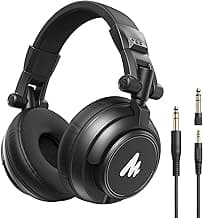
🏆 Best Overall: OneOdio Wired 50mm Studio Monitor Headphones
💰 Best Budget: beyerdynamic DT 990 PRO 250 Ohm Open-Back
⭐ Best Premium: beyerdynamic DT 770 PRO 80 Ohm Closed-Back