
Buying Guide
Sound accuracy and intended use
For studio work the priority is truthful sound rather than exaggerated bass or "fun" coloration. Look for a neutral, well-balanced presentation so you can judge EQ, balance and edits reliably. Think about how you'll use the headphones: tracking (monitoring while recording) needs clear midrange and intelligible vocals; mixing and mastering benefit from a flatter response to reveal problems. For broader comparisons and general recommendations, see our best headphones guide.
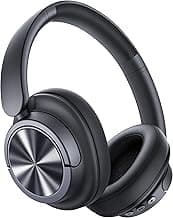
- Tip: If you need an affordable, general-purpose reference for tracking and casual mixing, consider the OneOdio Wired Over Ear Headphones — they offer 50mm drivers and multiple jack options that many creators find versatile.
Open, closed, or semi-open design
Driver enclosure has a big influence on isolation and soundstage. Closed-back headphones isolate better and prevent bleed during recording, while open-back cans give a wider, more natural-sounding stereo image useful for mixing. Semi-open models try to balance the two. If you prefer over-ear designs specifically, check our list of best over ear headphones for more options.
- Closed-back: Choose these for tracking and loud environments where isolation matters.
- Open-back: Better for critical mixing/mastering sessions in quiet rooms because of the more airy soundstage.
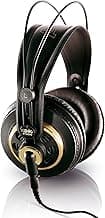
- Semi-open: A middle ground for home studios. For example, the AKG K240STUDIO is a popular semi-open option for learners and project studios.
Comfort, fit, and build quality
You may wear studio headphones for hours, so padding, clamping force and headband design matter. Lightweight designs with replaceable ear pads and a forgiving clamp reduce fatigue. Durable construction and detachable cables extend usable life and make replacements easier. For recommendations that focus on over-ear comfort for long sessions, see our best studio over ear headphones guide.
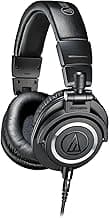
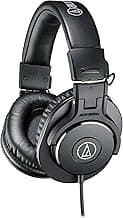
- Look for swiveling earcups if you do one-ear monitoring while recording — the Audio‑Technica ATH‑M40x includes 90° swiveling cups and detachable cables which many engineers appreciate.
- Consider replaceable parts and warranty for long-term value.
Impedance, sensitivity, and matching your gear
Headphone impedance and sensitivity affect how loud they will play from your source. Low-impedance models are easy to drive from phones and simple interfaces; high-impedance cans may require a dedicated headphone amp for full dynamics and clean headroom. Check your audio interface or mixer specs and choose headphones that match or plan to add a small amp if needed.
- If you frequently connect to mobile devices, favor lower-impedance, higher-sensitivity headphones.
- For professional interfaces and amps, higher-impedance models can offer improved power handling and reduced distortion at high levels.
Connectivity, features, and budget trade-offs
Decide whether you need wireless convenience or strictly wired performance. Wireless models add battery and potential latency considerations, while wired headphones typically give the most consistent, lowest-latency audio for tracking and mixing. Set a realistic budget and prioritize the features most relevant to your workflow—comfort and sound accuracy often beat extra bells and whistles for studio use. If wireless functionality is a priority for you, compare our picks for best wireless headphones.
- Consider models with both wired and wireless modes only if you need mobile convenience outside the studio.
- For buyers on a tight budget, prioritize neutral sound and build—upgrading pads or cables later is often more cost-effective than replacing the entire headset.
FAQ
What are the best studio headphones for mixing?
For mixing you want headphones with a flat, detailed sound and comfortable ear pads for long sessions. Closed or semi-open designs can work, but many engineers prefer an open or semi-open pair for a wider soundstage when checking stereo placement. If you want a reliable, budget-friendly option to start with, the OneOdio Wired Headphones on our list are a solid all-around choice because they balance clarity and comfort at a low price. Always compare how mixes translate to speakers before finalizing decisions.
Are closed-back or open-back headphones better for studio work?
Closed-back headphones isolate sound and reduce bleed, so they’re better for tracking and recording vocals or instruments. Open-back headphones give a more natural, spacious sound that helps with critical mixing and reference listening. Semi-open models offer a middle ground if you need some isolation but still want a wider soundstage; the AKG K240STUDIO is a classic semi-open option many engineers recommend. Pick closed for recording sessions and open/semi-open for mixing, and keep both types available if you can.
Can I use studio headphones for recording vocals?
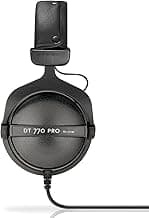
Yes—studio headphones are commonly used for vocal tracking because they help the vocalist hear a backing track while minimizing bleed into the mic. For recording you’ll usually prefer a closed-back design that prevents sound leakage and keeps the microphone signal clean. Professional closed-back models like the beyerdynamic DT 770 Pro X are popular in studios for their isolation and build quality. Always test for bleed at the volume levels the vocalist will use and adjust monitoring accordingly.
Do I need an amplifier or audio interface for studio headphones?
Not always—many modern studio headphones can run directly from a computer, phone, or mixer at usable volumes. However, higher-end or high-impedance models often benefit from a dedicated headphone amp or audio interface to reach optimal clarity and headroom. If your headphones sound thin or you can’t get sufficient volume without distortion, an interface or amp is a sensible upgrade. Check compatibility and power needs in product specs before buying to avoid surprises.
Which studio headphones offer the best value for money?
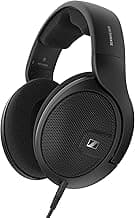
Value depends on your priorities: comfort, sound accuracy, durability, or portability. On our list the HD 480 PRO Plus is tagged as best value because it balances professional features with a competitive price point for serious users. If you’re on a tighter budget, there are also cheaper options that still deliver good clarity—compare build quality and return policies when choosing. See our recommendations for best budget headphones if you need wallet-friendly picks. Investing in a comfortable, reliable pair usually pays off faster than chasing small tonal differences.
Final Verdict
Top studio headphones rose above the rest by delivering balanced, dependable sound, sturdy build quality, and comfort for long sessions. Prioritize neutral frequency response, effective isolation, and driver/impedance that match your interface; convenience features like detachable cables or Bluetooth are secondary. The strongest models consistently combined clear tonal accuracy, reliable fit, and durable construction to make mixing and monitoring decisions effortless.
🏆 Best Overall: OneOdio Wired Over-Ear Hi-Res Studio Monitor Headphones (50mm)
💰 Best Budget: Audio-Technica ATH-M30x Studio Monitor Headphones
⭐ Best Premium: OneOdio A70 Bluetooth Hi-Res Wireless Studio Headphones