
Buying Guide
Support level: how much stability do you really need?
Stability shoes address different degrees of overpronation. Decide whether you need mild guidance to keep your foot tracking or firmer correction that resists inward roll. Look for features like a firmer medial post, built-in shanks, or guide-rail systems—these provide progressive support rather than a sudden, rigid correction.
- Mild to moderate pronation: Choose shoes that blend cushioning with a subtle medial-density zone to gently control motion.
- Moderate to severe pronation: Consider models with a reinforced midsole core or more pronounced medial posting for consistent control.
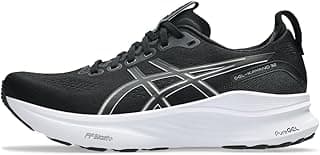
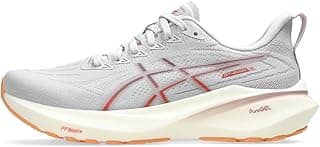
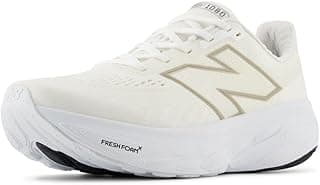
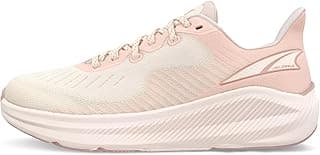
- Example: For reliably engineered stability, the New Balance Fresh Foam X 860 V14 and the ASICS Gel-Kayano 32 are commonly recommended for runners who need measurable, long-duration support.
Cushioning, stack height, and ride feel
The amount and type of cushioning affect comfort, stability, and responsiveness. Plush, high-stack midsoles absorb impact but can feel softer and less “connected” to the ground; firmer foam tends to offer more control and quicker transitions.
- High cushioning: Good for long runs and runners who need extra shock absorption; just check that the shoe still provides sufficient medial support.
- Lower-profile cushioning: Offers better proprioception and quicker foot turnover—helpful if you favor tempo runs or a more responsive ride.
- Example: If you prioritize maximum cushioning while balancing basic support, the Hoka Bondi 9 illustrates how a very cushioned shoe can still be comfortable for many runners.
For faster efforts on rougher terrain, you may also want to compare trail-specific, lower-weight options in our best lightweight trail running shoes.
Fit and width: lock down the heel, free the toes
A stability shoe only works if it fits correctly. Look for a secure heel cup and midfoot lockdown to prevent slippage; at the same time, your forefoot needs room for natural toe splay—especially on longer runs. If you run hot or have wider feet, prioritize models offered in multiple widths or with a roomier toe box.
- Try shoes later in the day when feet are slightly swollen to better simulate long-run conditions.
- Test shoes with the socks you plan to run in and allow about a thumb’s width of space at the longest toe.
- When possible, try a short jog or run-in-store test to assess heel slippage and midfoot security.
Durability, outsole, and traction for road conditions
Consider how many miles you want from a pair and the surfaces you run on. Premium rubber compounds and reinforced high-wear zones add longevity; a durable outsole also maintains the stability features longer by preventing uneven wear.
- Frequent road miles: Choose shoes with harder-wearing outsole rubber and solid midsole construction to avoid early breakdown of stability elements.
- Wet or varied pavement: Look for grippy tread and a stable platform that resists twisting on uneven surfaces.
- Example: If long-term durability is a top priority, the Mizuno Neo Vista has been positioned as a longer-lasting option in several runner reviews.
If your routes include muddy or wet sections or brief trail detours, see our best waterproof trail running shoes for options built to handle moisture and improved grip.
Purpose and training load: match the shoe to your runs
Think about how you'll use the shoe: daily mileage, long runs, recovery days, or faster workouts. Some stability models are cushioned and comfortable enough for everyday mileage, while others are firmer and better suited for tempo work or races where you still need support.
- Daily trainers: Seek a balance of cushioning, support, and durability for consistent mileage.
- Long runs: Prioritize comfort and cushioning plus dependable medial support to reduce fatigue-related collapse.
- Speed sessions: Consider lighter stability shoes with a lower stack and quicker foam to maintain responsiveness.
If you're choosing a daily trainer on a budget, check our best road running shoes under $100 for affordable, mileage-ready options that still offer decent support.
FAQ
How are stability road running shoes different from neutral running shoes?
Stability shoes include design elements that reduce excess inward roll of the foot and add structure where many runners need it, while neutral shoes focus on cushioning and a natural gait. Stability models often feel firmer on the medial side and may use firmer foam or a supportive post to guide the foot. They can still offer plenty of cushioning, so you don’t have to sacrifice comfort for support. For a clear example of a stability-focused option, consider a classic choice like New Balance Fresh Foam X 860 V14, which balances support and cushioning for everyday training.
Will stability shoes help if I overpronate?
Yes—if you overpronate, stability shoes are designed to control that inward roll and improve foot alignment during the gait cycle. They won’t magically fix biomechanics, but they can reduce strain on the ankles, knees, and hips when fitted correctly. It’s a good idea to pair them with a gait assessment or try them on and test with a short run to see how they feel. A beginner-friendly stability pick is the ASICS Gel-Kayano 32, known for approachable support and cushioning.
Can I use stability road running shoes for long runs and marathon training?
Many stability shoes are built for daily miles and long runs, offering a mix of support and cushioning that holds up over extended distances. Look for models with responsive midsole foam and durable outsoles if you plan to log marathon-level mileage. Rotate pairs if you train frequently and break new shoes in with progressively longer runs to avoid hotspots. If you experience persistent pain, consult a specialist rather than simply increasing support.
How should stability running shoes fit compared to my normal size?
Stability shoes should fit similarly to your regular running shoes: a snug heel, secure midfoot, and roughly a thumb’s width of space in the toe box. Because some stability designs feel firmer on one side, focus on overall comfort rather than forcing a tighter or looser size. Try them on with the socks you run in and test them with a short jog to check for slippage or pressure points. If the shoe feels uncomfortable on your first run in the right size, try a different width or model.
Are stability shoes good for beginners, and which models are beginner-friendly?
Stability shoes are often a solid choice for beginners who show signs of overpronation because they add guidance without requiring perfect form. Beginner-friendly options balance support with cushioning so new runners can focus on building mileage comfortably. From our roundup, models labeled for approachable support—like the ASICS Gel-Kayano 32 and broader picks such as the Hoka Bondi 9—are commonly recommended for new runners seeking a comfortable, supportive ride. Always try a pair on and, if possible, test them on a short run before committing to long training blocks. New runners can also review our best road running shoes for beginners for broader beginner recommendations.
Final Verdict
After testing the leading stability road shoes, the strongest options stood out for delivering purposeful medial support, a stable yet responsive midsole, and a secure heel fit that controls pronation without harsh motion control. Weaker choices sacrificed long-run comfort, consistent ride, or durable outsoles. Buyers should prioritize proven pronation control, a stable platform, confident heel lockdown, and balanced cushioning for your typical distance. The best-performing shoes shared a structured midsole, reliable traction, and a comfortable, repeatable fit that preserves efficiency across varied paces.
If you split time between pavement and light singletrack, our best trail running shoes guide highlights models suited to mixed-surface workouts and crossover use.
🏆 Best Overall: Hoka Bondi 9 Stability Road Shoe
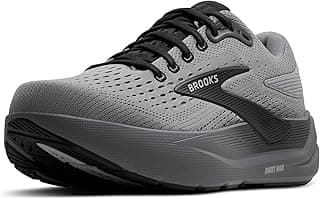
💰 Best Budget: Brooks Ghost Max 3 Neutral Stability
⭐ Best Premium: New Balance Fresh Foam X 860 V14 Stability