
Buying Guide
1. Stitch options and built-in features
Think about the types and number of stitches you’ll actually use. Straight, zigzag and a basic buttonhole cover most everyday tasks; if you plan to do decorative work or stretch fabrics, look for more stitch choices and settings. If you want computerized stitch libraries, check our best computerized sewing machines.
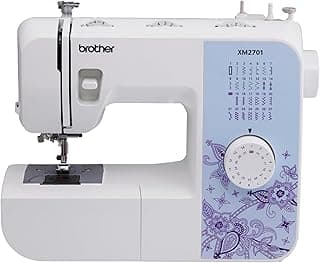
- Example: the Brother XM2701 offers 27 stitches and several included presser feet, which gives beginner sewists a good balance of utility and variety without adding complexity.
- Tip: more stitches can be useful, but prioritize machines with easy stitch selection and clear markings so you’re not fighting the controls.
2. Build quality, motor power and material compatibility
The machine’s frame and motor determine what fabrics it handles and how long it lasts. Metal-frame or “heavy-duty” machines tend to be better for denim, canvas and frequent use, while lightweight plastic bodies are fine for mending and occasional projects. For stronger internal mechanics and metal frames, see our best mechanical sewing machines.
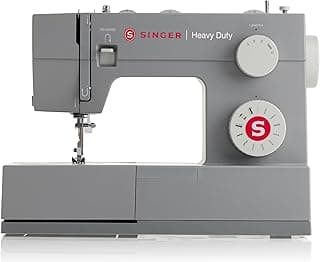
- Example: if you need extra punch for thicker fabrics, consider a heavy-duty model such as the SINGER Heavy Duty 4411, which is positioned for higher-speed, tougher sewing jobs.
- Tip: read product notes about fabric types and look for user feedback on sewing thicker seams before buying.
3. Ease of use and features for beginners
If you’re new to sewing, prioritize straightforward threading, clear controls, and simple presser-foot changes. Auto needle threaders, top-loading bobbins and intuitive stitch dials cut the learning curve. For step-by-step beginner-friendly picks, see best sewing machines for beginners.
- Example: the Brother FB1757X is listed as a beginner-friendly mechanical model—look for models like this that keep basic operations simple.
- Tip: if possible, try to see a demo in-store or watch online walkthroughs to confirm the machine’s workflow feels natural to you.
4. Portability, footprint and workspace needs
Consider where you’ll use and store the machine. Compact and lightweight machines are easy to move and store, but larger tables and detachable extension platforms offer more support for big projects. If storage and compact setup matter, our best sewing cabinets for small spaces guide can help.
- Tip: if you sew in small spaces or travel with your machine, prioritize a lighter model with a built-in handle and a small footprint. If you plan large garments or quilting, factor in an extension table or a larger work surface.
- Tip: check weight and dimensions in product listings and customer images to verify how the machine fits your space.
5. Accessories, included presser feet and long-term value
Accessories such as extra presser feet, bobbins, needles and a carrying case add immediate value. Consider what’s included versus what you’ll need to buy separately—some machines come with multiple feet that let you start hemming, zipper insertion and buttonholes right away.
- Tip: look for machines that include essential feet (all-purpose, zipper, buttonhole) and a clear list of included accessories so you’re not surprised at checkout.
- Tip: factor in warranty, availability of replacement parts and ease of service—those contribute to long-term value even on a budget under $200. If you’re prioritizing value, also see our best budget sewing machines.
FAQ
What are the best sewing machines under $200 for general use?
If you want a reliable all-around machine that handles most home projects, look for models with a good selection of built-in stitches and included presser feet. A lightweight, feature-packed option to consider is the Brother XM2701, which offers a useful stitch variety and several feet for different tasks. The SINGER 4411 is a common runner-up for heavier jobs thanks to its sturdier build. Test stitches on scrap fabric and check that the machine includes a buttonhole foot and adjustable stitch length for better versatility.
Which sewing machine under $200 is best for beginners?
Beginners benefit from simple controls, clear stitch selection, and a solid manual or tutorial videos to get started quickly. The Brother FB1757X is often recommended for first-time sewists because it focuses on ease of use and basic features beginners need. Look for a machine with a straightforward threading path, a 4-step buttonhole or automatic buttonhole, and a free arm for sleeves and pant hems. Start with basic cotton fabric to learn tension and stitch length before moving to knits or denim.
Can I sew denim or heavy fabrics with a sewing machine under $200?
Yes, some machines under $200 can handle denim and thicker fabrics, but you should pick a model designed for heavier work and use the right needle and thread. The SINGER Heavy Duty 4411 is a good example because it’s built with a stronger frame and higher speed suited for tougher materials. Always use a denim or heavy-duty needle, sew slowly through multiple layers, and consider a walking foot for smoother feeding. If you plan frequent heavy sewing, prioritize machines explicitly labeled for heavy-duty use to avoid long-term wear issues.
Are computerized sewing machines under $200 worth buying?
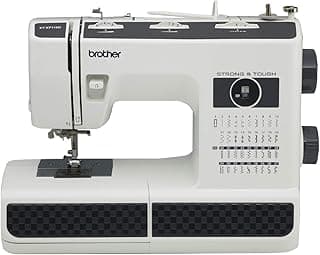
Computerized machines offer precision stitch selection and automated features, which can be helpful if you want many stitch options or consistent buttonholes. That said, cheaper computerized models may have fewer robust components than mechanical machines, and repairs can be more expensive. If you value simplicity and reliability, a mechanical model like the Brother GX37 or XM2701 may serve you better; if you want convenience and stitch variety, look for a well-reviewed computerized unit that fits your budget. Consider how often you’ll use advanced features before choosing between computerized and mechanical.
What extras should I look for when buying a sewing machine under $200?
Prioritize included presser feet (zipper, buttonhole, zigzag), a good range of built-in stitches, and a solid warranty or customer support. Extra accessories like a walking foot, spare needles, and a dust cover add value and help you start projects right away. For a budget-friendly pick with more stitch options, consider the Brother GX37 which includes a wider stitch selection and multiple feet. Finally, check user reviews for reliability and verify the availability of replacement parts before buying.
Final Verdict
The strongest sewing machines under $200 separated themselves through reliable construction, clear user controls and useful accessories rather than gimmicky features. Prioritize stitch versatility, motor power and a sturdy feeding system, plus included presser feet and simple threading for faster setup. The best performers delivered consistent stitch quality, straightforward operation and enough built-in stitches to handle repairs and simple projects—those practical strengths matter more than a long spec sheet.
🏆 Best Overall: Brother XM2701 Lightweight Sewing Machine — 27 Built-in Stitches
💰 Best Budget: Brother GX37 Mechanical Sewing Machine — 37 Built-in Stitches
⭐ Best Premium: SINGER M1000 Mending Machine — Compact, 4 Built-in Stitches