
Buying Guide
Choosing the best sewing machines for beginners means balancing simplicity, useful features, and durability. Below are the key factors to weigh when shopping, with practical tips to help you pick a starter machine that fits your goals and skill level. If you'll primarily sew at home, also see our best sewing machines for home use for models optimized for domestic workspaces.
Ease of use and learning curve
For a new sewer, intuitive controls and clear guidance make a huge difference. Look for easy threading (automatic needle threaders help), a top-drop bobbin or clearly marked front-loading bobbin, straightforward stitch selection, and an accessible manual or tutorial resources. Prefer mechanical dials if you want simplicity; computerized models can be fine if they have a clear LCD and simple menus. If you prefer dial-based machines, check our best mechanical sewing machines.
- Prefer mechanical dials if you want simplicity; computerized models can be fine if they have a clear LCD and simple menus.
- One-step buttonholes and built-in stitch diagrams speed up learning and reduce frustration.
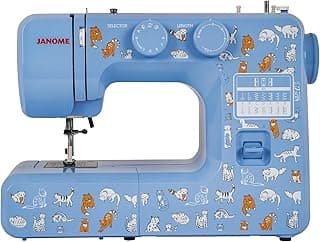
- Beginner-focused machines often include how-to videos or printed guides — a good example is the Janome Blue Couture, which is marketed with beginner-friendly features and support materials.
Stitch options and practical functions
More stitches aren’t always better for beginners; focus on usefulness. Ensure the machine includes a straight stitch, zigzag, a buttonhole (preferably one-step), and at least a couple of stretch or blind-hem options if you plan to work on garments.
- Adjustable stitch length and width are more important than having dozens of decorative stitches.
- Look for a variable presser foot pressure or a reliable feed dog system if you’ll sew different fabric thicknesses.
- Extras like a free arm for sleeves and an easy reverse-stitch lever/button are practical additions.
Build quality and motor power
Durability and a strong motor let your machine handle a range of projects as your skills grow. Metal internal frames and a slightly beefier motor are helpful if you anticipate occasional denim, canvas, or multiple fabric layers.
- Heavy-duty models with a metal chassis are less prone to vibration and last longer under frequent use.
- If you think you’ll sew thicker fabrics often, choose a machine with higher torque rather than one that only advertises many stitch patterns.
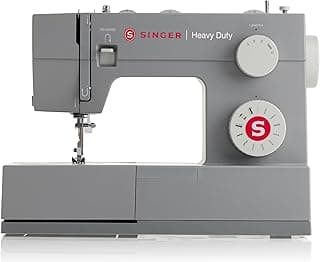
- The SINGER 4452 is commonly recommended for its heavier-duty build and stronger motor, making it a solid choice if you want a machine that grows with you.
Accessories, feet, and included supplies
The right accessories can remove the need for immediate upgrades. Check which presser feet are included (e.g., zipper, buttonhole, zipper, walking/edge foot), whether extra bobbins and needles are supplied, and if a seam ripper or quilting table comes with the machine.
- A wide or extension table is helpful for quilts and large projects; removable extension tables increase workspace versatility.
- Starter kits and multiple presser feet let you experiment with techniques without buying extras right away.
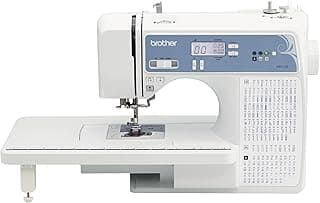
- If extras matter to you, consider models that include a broad accessory set—many mid-range options like the Brother XR3774 ship with several feet and a roomy table for quilting and garment work.
Size, portability, and workspace
Think about where you’ll sew. Compact machines are easy to store and move but may lack extension tables or heavy-duty performance. Larger machines offer more workspace and stability for quilting or long seams.
- If your workspace is limited, prioritize machines with a removable extension table or a light, portable body you can stow away between sessions.
- For occasional travel or classes, check weight and include a carrying case or handle.
- Balance workspace needs with stability: a compact unit is fine for mending and small projects, but larger projects benefit from a wider throat and extension table.
If you plan to set up a dedicated sewing area, our best sewing cabinets guide can help you choose a table or cabinet that matches your machine and workflow.
FAQ
What should I look for in a sewing machine for beginners?
Start with simplicity: a machine with a clear stitch selection, a reliable straight stitch, and an easy-to-change presser foot makes learning faster. Look for features that reduce frustration—automatic bobbin winding, a top-loading bobbin, and an accessible manual with tutorial videos help a lot. A solid interior frame or metal parts improve stability without adding unnecessary complexity. If you plan to sew clothes, a free arm and adjustable stitch length are handy additions to have from the start.
Is a computerized sewing machine too advanced for a beginner?
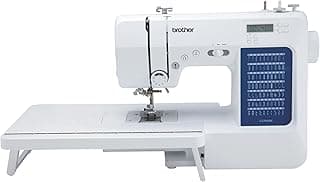
Not necessarily—computerized machines can actually simplify common tasks by offering one-touch stitch selection and clear displays that remove guesswork. If you want helpful automation without a steep learning curve, look for a beginner-oriented model with an LCD and straightforward controls. For example, the Brother CS7000X is a budget-friendly computerized option with many stitch choices that beginners often find useful. Start with basic stitches and use the extras as you grow comfortable. For a broader comparison of feature-rich models, see our best computerized sewing machines.
Can I learn sewing on a mini or mending machine?
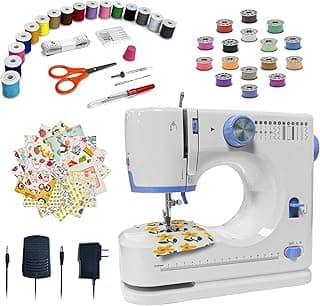
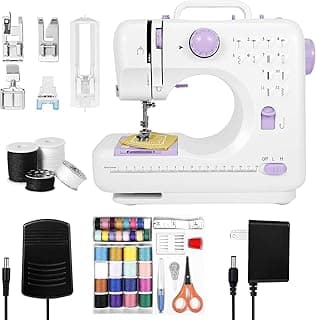
Yes—mini and mending machines are good for learning basic seams, simple repairs, and small projects because they’re lightweight and easy to store. Keep in mind they usually lack power and features for heavy fabrics or large quilts, so they’re best as a first step rather than a long-term replacement. If you want a compact, portable option focused on repairs, the SINGER M1000 Mending Machine is designed for light-to-medium tasks and quick fixes. Use a small machine to build confidence, then upgrade when you need more features.
How much should I spend on my first sewing machine?
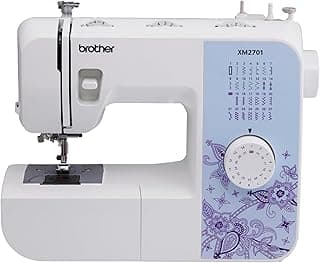
Expect to spend anywhere from about $100 for a basic, no-frills machine to $200–$300 for a versatile beginner model with extra feet and stitches. Under $100 is fine for light repairs and learning, but spending a bit more gets you better build quality, more stitch options, and features that last as your skills improve. If value is your priority, consider a reliable mid-range model like the Brother XM2701 that balances features and affordability. For more low-cost recommendations, see our best budget sewing machines. Think about what you’ll sew most and choose a machine that covers those needs without overpaying for extras you won’t use yet.
Which features help when sewing thick fabric like denim or canvas?
For thick fabrics you’ll want a stronger motor, a sturdy metal frame, and the ability to use heavy-duty needles and thicker thread. Adjustable presser foot pressure and a taller presser foot lift make feeding multiple layers easier, and having a one-step buttonhole is useful for garment work. A clear example is the SINGER Heavy Duty 4452, which is built to handle thicker materials and often recommended for denim and upholstery projects. When working with heavy fabrics, use the correct needle type and sew slowly to avoid skipped stitches.
Final Verdict
After extensive comparison, the strongest beginner sewing machines stood out for durable construction, consistent fabric feed, intuitive controls and useful included accessories—weaker options lacked reliable stitching or practical extras. Beginners should prioritize easy threading, adjustable speed, a helpful stitch selection and included presser feet or extension tables. Top performers combined straightforward setup with solid build and practical tools, so learners complete clean projects faster and gain confidence without frustration.
🏆 Best Overall: SINGER Heavy Duty 4452 — High Speed, 32 Built-In Stitches
💰 Best Budget: Brother CS7000X — 70 Built-In Stitches, Computerized
⭐ Best Premium: SINGER M1000 Mending Machine — Compact, 4 Built-In Stitches