
Buying Guide
1. Size, footprint and work surface
Start by measuring the room and the sewing machine you plan to use. A cabinet that fits a compact machine may be too shallow for a larger quilting machine or an overlocker. Consider both the cabinet’s closed footprint and any drop-leaf or fold-out work surfaces you’ll need for cutting, pressing or piecing. If you also want an integrated surface, see best sewing tables and cabinets. For a wider selection of layouts and sizes, check our best sewing cabinets.
- Measure width, depth and door clearance so the cabinet won’t block pathways when open.
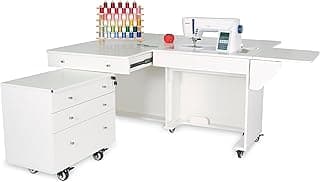
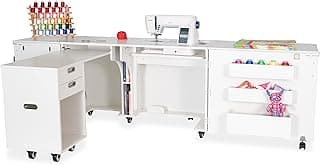
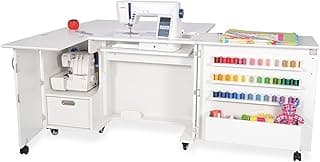
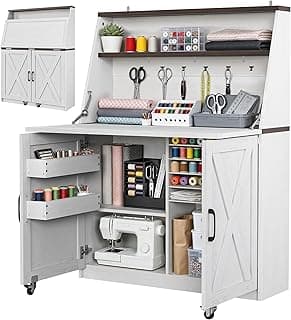
- Look for a model with a dedicated workspace or fold-out table if you need extra surface area; for example, the Sauder Folding Sewing Table & Craft Cart combines closed storage with a usable work surface.
- Don’t forget vertical space for tall spools, ribbon holders or thread racks.
2. Storage layout and organization features
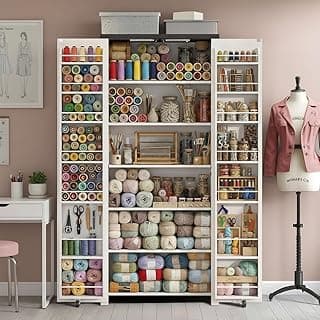
Think about how you organize notions: do you need shallow drawers for bobbins and needles, deep shelves for fabric bolts, or a mix of both? Adjustable shelving and multiple drawer sizes help you adapt the cabinet as your stash grows.
- Drawers with smooth slides make accessing small supplies easier than deep, fixed shelves.
- Transparent or labeled bins simplify finding frequently used items.
- Cabinets with built-in lighting or removable trays—like the NEWOWNDS Craft Storage Cabinet with LED Lights—can speed up locating tools and improve visibility inside deep cupboards.
3. Mobility, access and ergonomics
Decide whether your cabinet needs to be stationary or portable. Casters let you move a heavy unit for cleaning or to reconfigure a workspace, while lockable doors and drawers keep supplies secure and dust-free. If mobility is a priority, see our roundup of best sewing cabinets on wheels to compare caster quality and stability.
- Wheel-equipped cabinets are helpful if you work in a multipurpose room; the Best Choice Large Folding Sewing Table is an example of a rolling unit with a compact footprint.
- Check door swing and drawer clearance to ensure easy access when the cabinet is positioned against a wall.
- Look at working height: a comfortable tabletop height reduces back strain during long sessions.
4. Materials, build quality and durability
Materials affect longevity and how the cabinet handles weight. Solid wood or engineered wood offers a warmer look, while metal cabinets tend to resist dents and are easier to clean—useful if you keep heavy equipment or tools inside. For options that accommodate larger quilting machines, see our guide to best sewing cabinets for quilting.
- Inspect hinge hardware, drawer slides and caster mounts for sturdiness—these are the parts that wear first.
- Metal pro-style cabinets like the PAOFIN 75" Metal Garage Storage Cabinet are built for heavier loads and frequent use.
- Consider the finish and paint quality if you’ll place the cabinet in areas prone to moisture or dust.
5. Budget, assembly and useful extras
Set a budget but weigh long-term value: sometimes a slightly more expensive cabinet with better organization or sturdier construction pays off over time. Also factor in assembly time—some large cabinets arrive flat-packed and require multiple hours or a second person to assemble.
- Decide which extras matter: lockable doors, soft-close drawers, included trays or built-in power outlets.
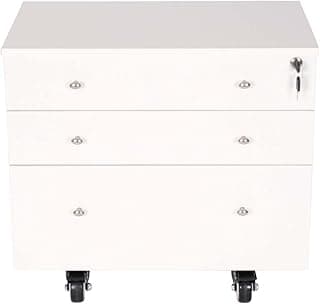
- If you want a compact, premium under-desk solution, consider models like the Naomi Home Carly 6-Drawer Mobile File Cabinet for organized, mobile storage.
- Read reviews about real-world assembly experiences and parts support before buying.
FAQ
What should I look for when shopping for the best sewing cabinets with storage?
Start with size and layout: make sure the cabinet fits your machine and leaves room for a folding or drop-leaf work surface. Look for a mix of drawers, cubbies, and adjustable shelves so you can store thread, patterns, and larger tools separately. Mobility and build quality matter—casters and a solid hinge system make daily use easier. For an all-around option that balances workspace and storage, consider the Sauder Folding Sewing Table as an example of a purpose-built piece with integrated drawers and a work surface: Sauder Folding Sewing Table.
Are folding sewing cabinets a good choice for small spaces?
Yes—folding sewing cabinets are ideal for apartments and multi-use rooms because they collapse when not in use and still offer organized storage. Look for units with casters and a locking mechanism so you can tuck them away yet keep them stable while sewing. Magnetic doors or trays help keep small items from spilling when the unit is moved. For curated collapsible models, see best folding sewing cabinets. Runner-up models like the Best Choice Products folding table often balance portability with useful shelving and compartments.
Which sewing cabinet is best for professional or heavy-duty use?
Professionals need rigid construction, tall adjustable shelving, and durable hardware to handle frequent use and heavier tools. Metal cabinets with lockable doors and multiple adjustable shelves provide the strength and security pro sewers often require. If you need a heavy-duty, wheeled storage solution that can handle larger supplies and tools, a tall metal cabinet like the PAOFIN 75" storage cabinet is a strong example thanks to its steel build and adjustable shelving: PAOFIN 75" Metal Storage Cabinet.
How much storage do I really need as a beginner sewist?
Beginners usually need space for a sewing machine, a small cutting mat, basic notions, thread, and a few fabric pieces, so a cabinet with 2–4 drawers plus a couple of shelves will typically suffice. Choose adjustable shelves or removable trays so you can reorganize as your stash grows. A compact pantry-style cabinet or a starter armoire advertised for beginners gives you room to expand without overwhelming your space. For compact options tailored to tight rooms, see best sewing cabinets for small spaces. Buying something with a mix of shallow and deep storage keeps small supplies accessible and bulkier bolts upright.
Can a sewing cabinet also work for general craft or home office storage?
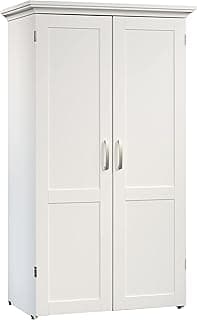
Absolutely—many sewing cabinets are designed with versatile storage that accommodates craft supplies, paper, and office equipment in addition to sewing gear. Look for models with adjustable shelves, locking doors, and a flat top that can double as a printer stand or crafting surface. If you want a dedicated multipurpose piece, larger armoires and pantry-style cabinets can hide supplies when not in use while keeping everything organized. For a purpose-built, multi-use option that blends craft and storage functions, consider a sewing armoire designed for mixed use like the Sauder craft armoire: Sauder Sewing Armoire.
Final Verdict
Across the testing pool the strongest sewing cabinets separated themselves through solid construction, smart internal organization, and easy mobility—features that made daily use effortless and kept supplies accessible. Buyers should prioritize durable materials, adjustable shelves/drawers, locking or magnetic doors, and caster mobility if you move your workstation. The top performers combined thoughtful storage layout with stable build quality and smooth operation, delivering a compact footprint without sacrificing capacity or accessibility.
🏆 Best Overall: Sauder Folding Sewing Table & Craft Cart Storage Cabinet
💰 Best Budget: Baborokic 71" Tall Metal Storage Cabinet with Drawer
⭐ Best Premium: Naomi Home Carly 6-Drawer Mobile File Cabinet