
Buying Guide
Size and footprint
Before you shop, measure the space where the cabinet will live and the path to get it there. Consider doorways, tight corners and whether the cabinet needs to fit under a worktable or inside a closet. Small footprint units are great for tight craft rooms, while larger cabinets offer more storage but need more clearance.
- Measure the sewing machine base and add room for the cabinet’s drawer clearance and a little breathing room for fabric handling.
- Think about where you’ll roll the cabinet — smooth flooring vs. carpet affects wheel choice and required clearance.
- Decide if you want a permanently stationed cabinet or a mobile unit you’ll take around the house.
If you’re working with limited space, see best sewing cabinets for small spaces for compact designs and space-saving ideas.
Storage capacity and organization
Look at both total storage volume and how that space is laid out. Drawers, cubbies, shelves and vertical slots all serve different needs: small bins for notions, deep drawers for fabric, and vertical compartments for patterns or cutting mats.
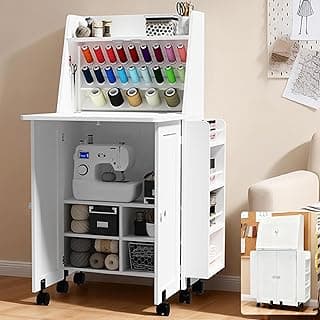
For example, the Sauder Sewing/Craft Cart (Vintage Oak) is a good example of a cabinet that balances drawer space with open storage, making it easier to organize tools and fabric.
- Prioritize the kind of storage you use most — many crafters prefer multiple shallow drawers for notions and one deep drawer for bulkier materials.
- Removable trays and adjustable shelves increase flexibility as your stash and tools change.
- Consider models with lockable drawers or doors if you need to secure supplies or keep children and pets out.
For additional ideas focused on internal layout and compartment options, check our best sewing cabinets with storage guide.
Mobility and wheel quality
Since you’re buying a cabinet on wheels, wheel construction and locking mechanisms matter. Smooth-rolling, swivel casters make it easier to reposition the cabinet; good locks keep it stable while you sew.
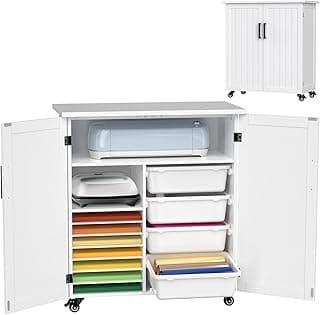
If you need a robust mobile unit with multiple drawers and heavy loads in mind, check out the LOKO 5-Drawer Rolling Cart as an example of a vertical storage tower built specifically to be moved around a workspace.
- Look for swivel casters for maneuverability and separate locking brakes for stability while working.
- Hard floors and carpets require different wheel materials — rubberized wheels are gentler on wood floors.
- If you’ll move the cabinet frequently between rooms, prioritize lighter construction and quality casters over heavier hardwood models.
Build quality and durability
Materials and joinery determine how long a sewing cabinet will last under regular use. Solid wood and thick engineered wood resist sagging; well-mounted drawer slides and quality hardware prevent rattling and premature wear.
- Check user reviews and product photos for signs of wobble, loose hardware or drawers that bind — these are common long-term failure points.
- Metal drawer slides and reinforced corners add longevity for heavier loads like multiple bolts of fabric or large sewing machines.
- Consider finish and edge treatment if you plan to use the top as a cutting surface or if it will see frequent fabric contact.
For a broader comparison of construction and materials across price points, see our roundup of best sewing cabinets.
Features, ergonomics and budget
Decide which features you really need: fold-down work surfaces, adjustable heights, magnetic doors, or built-in rulers and thread racks. Ergonomics—height, reach to tools, and how the cabinet integrates with your sewing machine—can make a big difference in comfort and productivity.
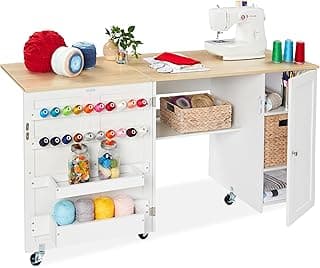
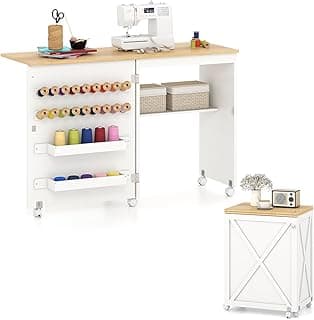
If you’re on a tighter budget but still want functional features like wheels and trays, the Best Choice Products Folding Sewing Table is an example of a compact, budget-minded option with multiple storage elements built in.
- Try to match cabinet height to your sewing chair or table to avoid back and neck strain; adjustable or fold-down tops help adapt to different machines.
- Factor total cost including any assembly tools, replacement casters, or additional organizers you may need.
- For specialized needs (quilting, heavy-duty machines) prioritize sturdy construction and a stable top over cosmetic details.
FAQ
What should I look for when choosing the best sewing cabinet on wheels?
Prioritize stability, lockable casters, and a work surface that fits your machine and projects. Look for built-in storage—drawers, shelves, and small compartments—to keep notions and thread organized. Durable construction and a finish that matches your workspace will extend the cabinet’s usefulness. If you want a roomy, well-reviewed option, consider the Sauder sewing cart as a strong example.
Are sewing cabinets on wheels stable enough for heavy sewing machines?
Many rolling sewing cabinets are stable when they have a wide base, solid construction, and locking wheels to prevent movement during stitching. Place heavier machines toward the center of the cabinet and avoid extending leaves unsupported to reduce wobble. If you use very heavy industrial equipment, a dedicated heavy-duty table may be safer than a lightweight rolling cabinet. Always test the cabinet with your machine before starting a large project.
How much storage do I need in a sewing cabinet for quilting supplies?
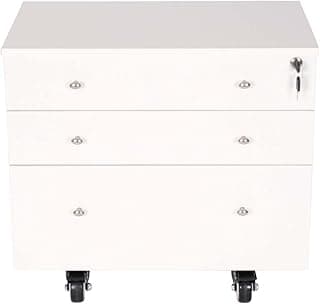
Think about the types of supplies you use most: batting and fabric need larger shelves, while threads, scissors, and rulers fit in drawers or small bins. A mix of shallow drawers and open shelves is usually the most flexible for quilts and notions. If you prefer a tidy, under-desk solution with multiple drawers, a premium multi-drawer unit can keep tools within easy reach. For example, the Naomi Home Carly 6-drawer mobile cabinet is a good option if you want dedicated drawer storage.
If quilting is your main focus, you may also find our best sewing cabinets for quilting guide helpful when choosing features tailored to large projects.
Can a rolling sewing cabinet handle large quilting projects or long-arm machines?
Rolling sewing cabinets work well for patchwork and garment sewing, but very large quilting projects or long-arm machines often need a larger, more stable surface than a compact rolling unit can provide. Consider whether you need expandable leaves or a lift mechanism to accommodate larger workpieces. For heavy-duty quilting, look for cabinets specifically designed for quilting or pair a rolling cart with a stable cutting/table surface. Always match the cabinet to the scale of your projects rather than relying on mobility alone.
Which sewing cabinets on wheels are easiest to move and store in a small craft room?
Look for lightweight, foldable designs with smooth-rolling casters and a compact footprint for tight spaces. Cabinets that tuck under a table or fold flat save the most room and make it easy to move between work areas. Removable trays and collapsible storage boxes can further reduce clutter when not in use. A practical budget-friendly example is the Best Choice Products folding sewing table, which combines wheels and a compact, foldable design for small rooms.
For compact, portable options specifically designed to fold or collapse for storage, see our best folding sewing cabinets roundup.
Final Verdict
After comparing the field, the strongest sewing cabinets stood out for durable construction, smooth lockable casters, and smart storage—deep drawers, removable trays and a stable work surface or lift. Weaker models cut corners on mobility and organization. Prioritize sturdy wheels with locks, drawer layout and capacity, workspace stability, and a footprint that fits your room. Top performers consistently paired solid build quality with easy rolling and well-planned storage so you can sew without interruptions.
🏆 Best Overall: Sauder Sewing & Craft Cart — Pantry Cabinet on Wheels
💰 Best Budget: Best Choice Products Folding Sewing Table Craft Station
⭐ Best Premium: Naomi Home Carly 6-Drawer Mobile File & Craft Cabinet