
Buying Guide
Size and footprint
Measure the corner or wall where the cabinet will live and plan for clearance when drawers or doors are open. In tight rooms, a slim, vertical tower or a fold-flat design can save a lot of floor space while still giving usable storage and a work surface. For compact options see best folding sewing cabinets.
- Check width, depth and overall height against your intended spot.
- Factor in moving space for a chair and any swing of sewing machine lids or cabinet doors.
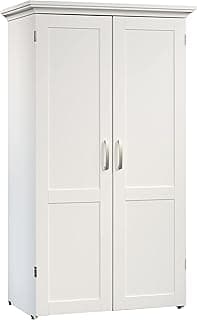
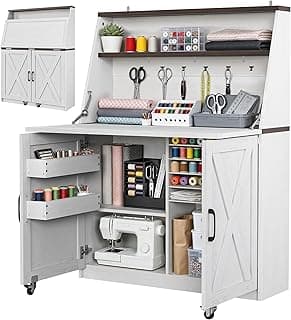
- Consider folding or rollaway options for truly small areas—for example, the Sauder sewing/craft cart (Vintage Oak) pairs compact footprint with multiple compartments for a small-studio setup.
Storage layout and organization
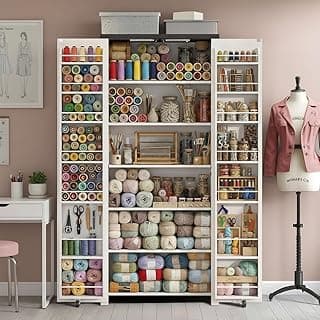
Think about the kinds of supplies you store: bolts of fabric, thread spools, small notions, patterns, or a sewing machine. The best cabinets combine a mix of deep drawers, shallow trays and open shelves so everything has a place. See our roundup of best sewing cabinets with storage for units with clever compartments.
- Shallow drawers and trays are better for notions and thread; deep drawers work for folded fabric.
- Adjustable shelves, removable bins, or peg features help you reconfigure storage as your stash changes.
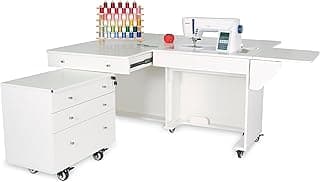
- If you need a lot of small-drawer organization in a compact unit, consider a mobile cabinet like the Winsome Halifax mobile storage cabinet as an example of multi-drawer organization for small spaces.
Mobility and stability
Wheels make it easy to move a sewing cabinet out of the way or to bring supplies closer while you work. If mobility is a priority, browse our best sewing cabinets on wheels picks. At the same time, the unit must lock down securely so you have a steady work surface when sewing.
- Look for lockable casters and a low center of gravity to reduce wobble during use.
- If you plan to move the cabinet regularly, choose durable wheels and reinforced base construction.
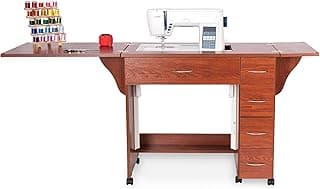
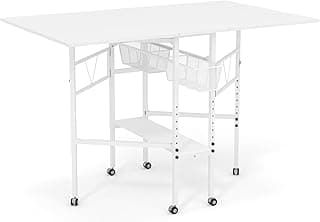
- Folding-top designs offer portability; budget-friendly models such as the Vividwood folding sewing table show how mobility and compact storage can work together.
Materials and long-term durability
Materials affect both appearance and lifespan. Engineered woods and laminates are common and affordable, while higher-end units may use hardwood or metal bracing for extra strength. Hardware quality—drawer slides, hinges and casters—often determines how long the cabinet stays functional.
- Inspect customer photos and reviews for signs of warping, peeling veneer, or fragile hardware.
- Metal-reinforced tops, thicker panels, and full-extension drawer slides are worth the premium if you store heavy items or a sewing machine.
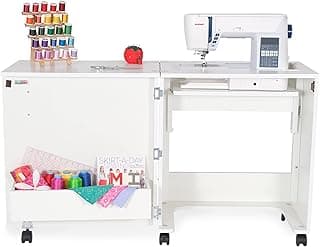
- Premium folding cabinets such as the VIVOHOME folding sewing craft table (Espresso) tend to use sturdier components designed for repeated use.
Features, extras and value
Decide which extras matter: lift systems for a recessed sewing machine, built-in power/charging stations, magnetic closures, or included organizers. If you’re weighing tables against cabinets, check best sewing tables and cabinets. Extras can increase convenience but also cost and weight—prioritize the features you’ll actually use.
- Machine lift systems create a flush work surface but add complexity; make sure replacement parts and instructions are available.
- Built-in charging stations are handy in multi-use rooms but check outlet placement before buying.
- Balance feature set against build quality and warranty—sometimes a simpler, well-built cabinet delivers better long-term value than a feature-packed but flimsy unit.
FAQ
What should I look for when buying a sewing cabinet for a small space?
Prioritize a compact footprint and vertical storage so the cabinet takes up minimal floor space while still holding essentials. Look for a lift or flip top that supports your sewing machine and lockable wheels so you can move and stabilize the unit easily. Check for built-in cord access, adjustable shelves or removable bins, and durable construction that won’t wobble under a machine. For a balanced example of these features in a small footprint, consider the Sauder Vintage Oak sewing cart.
Are foldable sewing cabinets worth it for small apartments?
Foldable cabinets can be excellent in apartments because they give a usable work surface when you need it and collapse out of the way when you don’t. They tend to be lighter and more portable than full cabinets, but some models trade a bit of stability or long-term durability for compactness. If you sew occasional projects or need a temporary setup, a folding table is a sensible trade-off; serious daily sewists might prefer a sturdier fixed cabinet. A budget-friendly folding option to compare is the Vividwood folding sewing table.
How much storage do I really need in a compact sewing cabinet?
Think about the items you use most: your machine, a cutting mat, scissors, rulers, threads, and a small fabric stash. For small-space cabinets, aim for a mix of drawers for notions and shelves or bins for fabric so everything is organized but accessible. If you buy modular storage (removable bins, small baskets) you can change the layout as your needs grow. Choosing vertical storage and keeping only frequently used supplies in the cabinet keeps the footprint small and the workspace tidy.
Can I use a narrow rolling cart as a sewing cabinet?
A narrow rolling cart can work well as a sewing station for beginners or crafters with minimal equipment because it offers portability and small-scale organization. The downside is limited workspace and less support for heavier machines, so check weight capacity and add a stable top surface if needed. Rolling carts shine when you need to tuck your setup into a closet or beside furniture between sessions. For a simple starter option, many people find a compact choice like the 5-drawer slim rolling cart useful.
How do I protect my sewing machine when stored in a small cabinet?
Use a fitted dust cover or a padded case inside the cabinet to keep dust and humidity off delicate parts. Make sure the cabinet provides ventilation and avoid storing the machine in damp or overly hot spots to prevent rust and adhesive damage. Store cords and accessories separately in labeled bins or drawers so they don’t press against the machine’s finish, and lock or secure doors to prevent accidental bumps. Finally, remove or secure the presser foot and needles before putting the machine away to reduce stress on moving parts.
Final Verdict
The strongest sewing cabinets for small spaces separated themselves by offering a compact footprint with purposeful storage—stacked drawers, adjustable shelving, secure closures and smooth casters—so supplies and a sewing machine stay organized without taking over the room. For our top recommendations, see best sewing cabinets. Prioritize footprint, mobility (lockable wheels), configurable storage and a usable work surface or lift. The top performers combined sturdy construction, thoughtful compartment layouts and easy mobility to deliver reliable storage plus a functional sewing area in tight spaces.
🏆 Best Overall: Sauder Sewing & Craft Storage Cart Cabinet
💰 Best Budget: Vividwood Folding Sewing Table with Wheels & Shelves
⭐ Best Premium: VIVOHOME Folding Sewing Craft Table with Storage Lift