
Buying Guide
Ease of use and controls
For beginners, a straightforward control layout makes the learning curve much gentler. Look for machines with clearly labeled buttons or a simple dial, programmable shot volume or an auto-purge function, and clear indicator lights. These features reduce guesswork while you learn dosing and tamping.
- Prefer single-button or one-touch extraction for consistent shots while you build barista skills.
- Simple steam wand controls and automatic shutoff on steam are helpful when practicing milk texturing.
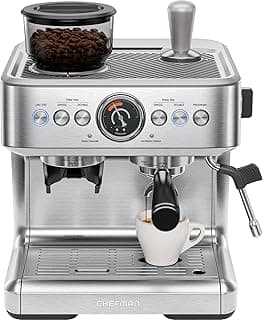
Example: the Chefman CraftBrew is positioned for new users with a compact, straightforward interface and basic programmable features that make first shots easier to reproduce. If counter space is limited, consult our best compact semi automatic espresso machines guide for compact options that balance footprint and functionality.
Extraction consistency: pump pressure, temperature control and portafilter
Consistent pressure and stable brewing temperature are the backbone of repeatable espresso. Don’t be distracted by high “bar” numbers alone—what matters is how steady the pump and heating system keep pressure and temperature throughout the shot.
- A visible pressure gauge helps you learn how tamping and grind affect extraction.
- Look for machines with a reliable pump and either PID or good thermostat control for more consistent temps.
- A proper-sized metal portafilter and quality filter baskets improve crema and shot balance.
As an example of a model praised for balanced performance, consider the CASABREWS CM5418, which combines stable extraction features that beginners can grow with. For an overview of solid contenders across feature sets and price points, see our best semi automatic espresso machines roundup.
Milk steaming and wand quality
If you plan to make lattes or cappuccinos, prioritize the steam wand and boiler arrangement. A good wand should produce powerful, consistent steam and allow you to introduce air for microfoam without excessive effort.
- Look for a wand that swivels and has a small tip hole for better control when texturing milk.
- Single boilers work for one drink at a time; heat-up times and recovery affect how quickly you can alternate between brewing and steaming.
- Built-in pressure gauges or temperature readouts are useful learning tools for dialing in milk texture.
Budget-minded beginners who still want good frothing control can look at machines such as the HIBREW H10B, which includes a pressure gauge and a practice-friendly steam wand.
Size, water capacity and maintenance
Consider where the machine will live and how much upkeep you want. A compact footprint is ideal for small kitchens, while larger removable water tanks reduce refill frequency. Maintenance tasks like backflushing, descaling and emptying drip trays should be easy and well-documented.
- Choose a removable water tank if you don’t want to lift the whole unit to refill.
- Check how easy it is to access and remove the drip tray, portafilter and group for cleaning.
- Read the manual for recommended descaling intervals—simpler maintenance means more time making coffee.
Grinder compatibility and capsule vs. ground options
Freshly ground beans make the biggest difference in espresso quality. Decide whether you want an integrated grinder (convenient but adds complexity) or a separate grinder you can upgrade over time. Also consider if you need capsule compatibility for occasional convenience.
- If you buy ground-only machines, pair them with a good burr grinder later for better control over shot extraction.
- Integrated grinders save counter space but can be harder to service; separate grinders offer flexibility and better long-term results.
- For beginners, a machine that accepts both ground coffee and ESE pods or capsules can simplify early experimentation.
For models that include built-in grinders or combo units, check our list of best semi automatic espresso machines with grinder to compare how integrated burrs affect consistency and maintenance.
FAQ
What's the easiest semi-automatic espresso machine for beginners?
The easiest machines prioritize simple controls, a reliable steam wand, and a removable water tank so you can focus on learning extraction and milk steaming. For a straightforward starter option, consider the Chefman CraftBrew, which pairs a 15‑bar pump with a compact footprint and an easy-to-use steam wand. A model with clear indicator lights and dishwasher-safe drip tray parts will shorten your learning curve. Expect to spend a few weeks practicing shots and steaming to get consistent results.
What features should beginners look for in a semi-automatic espresso machine?
Look for a stable pump pressure (most home machines advertise 15–20 bar), a manual steam wand for milk texture practice, and a removable water reservoir for easy filling and cleaning. A sturdy portafilter and clear controls or programmable shot buttons make dosing simpler for new users. Built-in safety features and a decent warranty give peace of mind while you learn. If possible, choose a machine that can accept a basic separate grinder later—grind control matters more than machine specs.
Can a beginner make café-quality espresso with a semi-automatic machine?
Yes—semi-automatic machines give you control over grind, dose, and tamp, which are the levers that deliver café-quality shots once you learn them. Start with fresh beans, dial in your grind, and focus on consistent tamp pressure and shot timing; those three things improve results faster than upgrading equipment. Learning to texture milk takes separate practice, but a good steam wand will get you there in time. Expect noticeable improvement after a few weeks of regular practice.
How much maintenance do semi-automatic espresso machines require?
Routine upkeep is simple: rinse the portafilter and purge the steam wand after each use, empty the drip tray and used-puck basket daily, and deep-clean group components weekly. Depending on your water hardness, descaling every 1–3 months helps preserve heating elements and taste. Some machines support backflushing with a blind filter—use that weekly if available, otherwise follow the manufacturer’s cleaning steps. Using filtered water reduces scale and cuts down maintenance frequency.
How much should a beginner expect to spend on a good semi-automatic espresso machine?
Entry-level semi-automatic machines for beginners commonly start around $70–$100, while most reliable starter units sit in the $100–$200 range, and more feature-rich or premium home machines cost $200 and up. Remember to budget for a grinder—even a basic burr grinder makes a bigger difference in shot quality than an expensive machine. Shop based on features you’ll use (steam wand, removable tank, simple controls) rather than chasing the highest wattage or number of bars. Buying a well-reviewed mid-range model often gives the best balance of ease-of-use and long-term value. If you’re on a tighter budget, see our best semi automatic espresso machines under $500 roundup for solid low-cost options.
Final Verdict
After comparing the top semi‑automatic espresso machines for beginners, the strongest models separated themselves through consistent brew temperature, dependable steam power and user-friendly controls; weaker options cut corners on build quality or control. Prioritize a stable pump, an accessible portafilter, clear controls and an easy-to-clean removable tank. The best performers combined straightforward operation, solid steam performance and durable components so beginners can learn extraction and milk technique without equipment frustration. For readers furnishing a home setup, our best semi automatic espresso machines for home guide helps match machines to typical kitchen needs.
🏆 Best Overall: CASABREWS CM5418 Espresso Machine 20 Bar with Steam Frother & Removable Tank
💰 Best Budget: HIBREW H10B Programmable Semi-Automatic Espresso Machine with Pressure Gauge
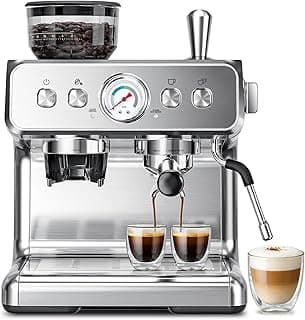
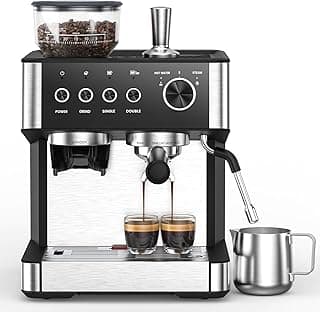
⭐ Best Premium: EUHOMY 20 Bar Professional Espresso Machine with Grinder & Milk Frother