
Buying Guide
Cleaning performance: suction, brushes, and floor compatibility
How well a self-washing robot actually cleans depends on suction power, brush design and how it handles different floor types. Look beyond the headline Pa number — consider whether the machine has a tangle-resistant brush for pet hair, a soft roller for hardwoods, or a combo system that switches between carpet and hard floors. See our best robot vacuums with mop guide for top hybrid picks.
- Power: Higher Pa helps with deep cleaning on carpets, but brush design and airflow matter too.
- Brushes: Anti-tangle or silicone brushes are better for pet hair; soft rollers protect wood and pick up fine dust.
- Edge and corner cleaning: Wide rollers or dedicated edge brushes improve results near baseboards.
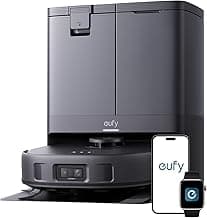
- Example: For a high-suction option with zero-tangle design, consider the eufy E25, which balances strong suction with a tangle-resistant system.
Mop system and water handling: what the dock does for you
Self-washing robots differ widely in how they mop and care for their pads. Key differences include roller vs. spinning-pad mops, whether the dock washes and dries the mop, hot-water washing, and whether the robot lifts the mop on carpeted areas. We compare leading designs in our best robotic vacuum and mop roundup.
- Wash & dry docks: Automatic washing and high-heat drying reduce smells and maintenance.
- Mop type: Rollers are good for sticky grime; spinning pads can be gentler and easier to replace.
- Carpet protection: Look for carpet-lift or automatic mop-lift when transitioning from hard floors to rugs.
- Example: If an AutoWash dock is a priority, the iRobot Roomba Plus 405 uses spinning mop pads with a self-washing dock to keep pads fresh between runs.
Self-emptying base and maintenance cadence
The whole point of self-washing models is less hands-on upkeep — but they still require periodic attention. Check how often you’ll need to empty the debris bag, refill water or detergent, and replace filters or mop pads. For models optimized for low-touch living, check our best robot vacuums and mops for home article.
- Base capacity: Larger bins or long-interval systems (30–90 days) reduce intervention.
- Consumables: Know the cost and availability of bags, filters, mop heads and cleaning solution.
- Cleaning cycle: Some docks offer automatic water refills and detergent dosing; others require manual top-ups.
- Example: For very low-touch maintenance, models that advertise multi-month self-empty intervals like the MONSGA can be a good fit for busy households or professional settings.
Navigation, mapping and obstacle avoidance
Reliable navigation affects cleaning thoroughness and how well a robot adapts to your home. LiDAR and advanced camera/AI systems produce more consistent maps and avoid getting stuck around furniture, cords or pet bowls. If mapping and AI are priorities, see our best smart robot vacuums guide.
- Mapping: Multi-room mapping and multi-floor support let you schedule targeted cleanings and set virtual no-go zones.
- Obstacle avoidance: Look for models with obstacle detection to reduce collisions and missed spots.
- Path planning: Efficient route planning shortens run times and reduces battery drain by avoiding repeated passes.
Smart features, integrations and support
Consider the app experience, voice assistant compatibility and how the manufacturer handles updates and customer support. A polished app makes scheduling, custom zones and maintenance reminders far more useful.
- App control: Intuitive map editing, zone cleaning and cleaning-history logs are valuable daily tools.
- Integrations: Alexa, Google Assistant and routines add convenience if you already use smart home platforms.
- Service & parts: Reasonable warranty terms and easy access to replacement filters, pads and dock components extend the life of the investment.
FAQ
Are self-washing robot vacuums worth the extra cost?
They can be worth it if you want lower daily upkeep — self-washing models cut down the time spent rinsing mops, emptying bins, and swapping pads. Look for machines with reliable mapping and good sealing on the base station so you actually save time rather than trading chores. If you want a balanced pick that handles both vacuuming and automated mop care, the eufy E25 is a solid example of an all-in-one approach. Expect to pay more up-front, but many owners appreciate the convenience over weeks and months.
How often do self-washing robot vacuums need maintenance?
Maintenance frequency depends on home size, pets, and how often the robot runs; high-traffic homes need attention sooner. Plan to check dust bins, filters, and mop heads every few uses and clean brushes and sensors when performance drops. Base stations also need occasional emptying or refilling of cleaning solution and a wipe-down to avoid odors. Following the manufacturer’s simple maintenance checklist will keep cleaning cycles reliable and extend the robot’s life.
Can a self-washing robot vacuum handle pet hair and stains?
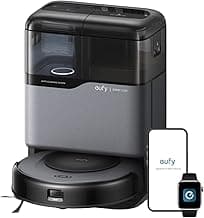
Yes — many self-washing models are designed for pet owners with anti-tangle brushes and stronger suction for hair pickup. For stains, look for robots with effective mop agitation and an automatic wash/dry station so the mop stays clean between runs. The eufy C28 is an example that pairs anti-tangle design with auto mop washing and drying, which helps with both hair and light spots. For deep or set-in stains you’ll still need occasional spot treatment, but these robots handle everyday pet messes well.
Will a self-washing robot vacuum work on a mix of carpets and hard floors?
Most modern self-washing robots switch between vacuum and mop modes or lift the mop when they detect carpet, so they can handle mixed floors. Prioritize models with reliable mapping and a pad-lift or carpet-detection feature so the mop doesn’t touch rugs. Budget-friendly combos like the Roomba Plus 405 use pad-lift and smart navigation to protect carpets while maintaining hard-floor performance. Still, check specs for carpet clearance and lift height if you have high-pile rugs.
What features should I prioritize when choosing a self-washing robot vacuum?
Focus on the mop system (type, auto-wash/dry, and temperature if offered), suction power, mapping/navigation, and how hands-off the base station really is. Also consider tank size, how often the base needs emptying or refilling, and whether the robot lifts the mop for carpets. If hot-water mop washing is important to you, premium models like the Mova P10 Pro illustrate that feature set. Balance those specs with your budget and cleaning habits to find the best match for your home.
Final Verdict
Top models stood out for dependable self-wash and self-empty docks, consistent suction, and navigation that keeps mop pads and floors reliably clean between cycles. If you prefer top-tier features like hot-water mop washing and advanced docks, our best premium robot vacuums recommendations are worth a look. Prioritize an auto-wash/air-dry dock, strong navigation and obstacle avoidance, anti-tangle brush design, and straightforward maintenance. The best-performing units share durable docks, repeatable mapping, and intuitive app controls—features that deliver genuinely hands-off cleaning and lower ongoing upkeep.
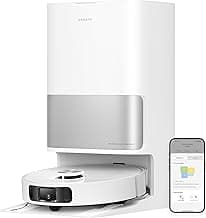
🏆 Best Overall: eufy E25 Robot Vacuum & HydroJet Roller Mop, 20,000Pa Suction
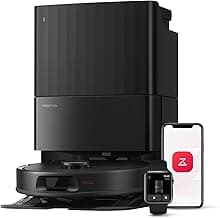
💰 Best Budget: iRobot Roomba Plus 405 Combo — AutoWash Dock, LiDAR
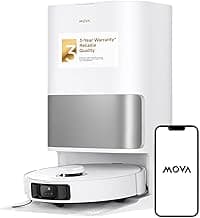
⭐ Best Premium: Mova P10 Pro Ultra Robot Vacuum — 140°F Hot Water Auto Mop