
Buying Guide
Suction power and mop system
Start by matching suction and mopping style to your floors. Suction is usually listed in pascals (Pa): higher numbers help lift embedded dirt from rugs, while moderate suction with a good mop system is often enough for hard floors. Mopping systems vary — spinning pads for scrubbing, roller mops for pick‑up, and oscillating plates for more agitation — and some docks offer automatic mop washing and drying to reduce upkeep. For specific model recommendations on wooden surfaces, see best robot mops and vacuums for hardwood floors.
- Choose stronger suction (10,000 Pa+) if you have lots of carpet or pet hair, but note aggressive suction can shorten battery life.
- For mostly hard floors, prioritize an effective mop design and a reliable water‑flow control to avoid over‑wetting.
- A model with an all‑in‑one dock that washes and dries the mop saves maintenance time and keeps the mop hygienic — check our best self washing robot vacuums guide.
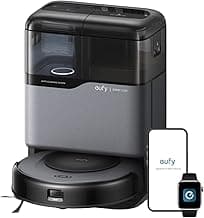
Example: the eufy E25 balances high suction with a roller mop and an always‑clean system, which is useful if you want strong vacuuming plus a hands‑off mopping routine.
Navigation, mapping and obstacle avoidance
Good navigation reduces missed spots and accidental collisions. LiDAR and advanced vision systems build accurate maps and handle multi‑room cleaning, while simpler random or gyro systems can be fine for small, uncluttered homes. Look for features like no‑go zones, multi‑floor maps, and reliable obstacle detection if you have cords, low furniture or lots of small objects.
- LiDAR or SLAM-based mapping is best for precise, repeatable routes and multi-floor homes.
- Smart obstacle avoidance helps reduce snagging on rugs, pet bowls or toys; check real‑world reviews for effectiveness.
- If you need long unattended runs, choose models that remember maps and resume after charging.
For a broader comparison of intelligence and mapping tech, read best smart robot vacuums. If navigation is a priority, consider a LiDAR‑based option such as the roborock Q7 M5+, which emphasizes PreciSense mapping and obstacle avoidance for consistent coverage.
Self‑emptying docks, maintenance and ongoing costs
Self‑emptying docks and auto‑wash stations reduce hands‑on maintenance but add to the initial cost and sometimes to consumable expenses. Evaluate dust bag capacity, filter type (HEPA is best for allergies), mop pad replaceability, and how easy the dock is to clean.
- Self‑emptying bases greatly reduce how often you must manually empty the bin, useful for busy households or pet owners.
- Check whether the dock includes water tanks, mop washing, and drying — drying prevents odors and mildew.
- Factor in replacement costs for bags, filters, mop pads and brushes; cheaper robots can cost more long‑term if parts wear quickly.
App features, smart home integration and scheduling
Mobile apps make a big difference in convenience. Look for reliable map editing, zoned cleaning, room‑specific schedules, and the ability to set no‑mop zones. Voice control via Alexa or Google Assistant is helpful but secondary to a stable app and cloud services.
- Prioritize apps that let you name rooms, draw no‑go/no‑mop lines, and create custom cleaning sequences.
- Offline or local map storage is a plus for privacy‑minded users; consider how the brand handles firmware updates and cloud dependence.
- Check whether the robot supports multi‑user access and simple scheduling so everyone in the household can trigger cleanings.
If you'd rather buy an integrated machine, our best robot vacuum mop combos roundup covers models with strong app control and combined cleaning functions.
Home layout, pets, carpets and height clearance
Match the robot’s physical design to your home. Low‑profile units clean under furniture better, while larger brush rolls and anti‑tangle systems help with pet hair. If you have area rugs, look for models with mop‑lift or automatic carpet detection so mopping won’t wet carpets.
- Measure clearance under sofas and beds; even a few millimeters can determine whether a robot gets stuck.
- Zero‑tangle or anti‑tangle brush systems are valuable for homes with long pet hair.
- If you expect to run the robot while you’re not home, pick a quieter model or one with scheduled quiet modes to avoid disturbances.
FAQ
Which robot vacuum with mop is best for hardwood floors?
For hardwood, look for a unit that combines gentle mopping with strong suction and edge cleaning. The eufy E25 pairs a roller mop designed to stay clean with edge-to-corner pickup and AI obstacle avoidance, which helps protect floors while removing dirt. Use lower water settings or a microfiber pad on delicate finishes to avoid excess moisture. If you have very sensitive wood, run the mop on a scheduled, light pass rather than continuous wet mopping.
Are robot vacuums with mops good for pet hair?
Yes—many models handle pet hair well if they have anti-tangle brushes and strong suction. The roborock Q7 M5+ is built for pet owners with a dual anti-tangle system and robust suction to pull hair from carpets and floors without clogging. Regularly emptying the dustbin and cleaning the brush will keep performance consistent. Consider a self-empty base if you want less frequent maintenance when pets shed a lot.
Can a robot mop damage carpets and how do I avoid it?
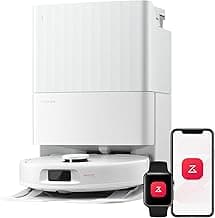
Robot mops can wet carpets if the model doesn’t lift the mop or detect carpeted zones, which can cause damage or mildew. Pick a model with mop-lifting or automatic zone detection so the mop rises when it reaches rugs—roborock’s Qrevo S5V, for example, offers mop lifting and auto washing to prevent wet carpets. You can also set no-mop zones in the app to keep mopping away from rugs and upholstery. For mixed floors, a machine that separates vacuum and mop functions gives the safest results.
How often should I empty and clean a robot vacuum-mop?
Empty the dustbin after every couple of runs if you have pets or heavy traffic, and at least weekly for light use. Rinse or replace mop pads after each wet clean and let them air-dry to prevent odors and bacteria. Inspect brushes, sensors, and filters monthly and replace filters every few months depending on usage. Following the manufacturer’s maintenance schedule will extend the machine’s life and keep cleaning effective.
Which robot vacuum with mop is best for large homes and long run times?
For big homes you want strong suction, large battery capacity, and efficient navigation so the robot covers more area per charge. The DEEBOT T90 Pro Omni is marketed for long-lasting performance and extensive coverage, with features aimed at sustained cleaning cycles and thorough edge cleaning. Look for models that support multi-floor mapping and have self-emptying docks to minimize interruptions. If runtime is critical, prioritize battery specs and fast recharge/return-to-dock behavior.
Final Verdict
Strong winners stood out by pairing reliable navigation with sustained suction and a mop system that cleans and dries without leaving streaks or residue; weaker options lacked mapping precision, water control, or anti-tangle brush design. Prioritize adjustable suction, intelligent obstacle avoidance, mop-wash/dry features, and a self-emptying dock for low maintenance. The top performers all combined consistent cleaning power, smart mapping, and effective mop management so you get deep clean results on both hard floors and low‑pile carpets with minimal hands-on upkeep. See the full list of top household picks in our best robot vacuums and mops for home.
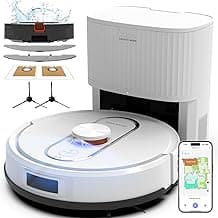
🏆 Best Overall: eufy E25 Robot Vacuum — 20,000Pa Suction & HydroJet Mop
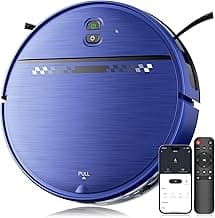
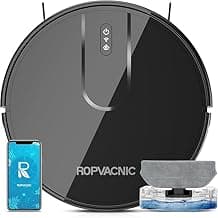
💰 Best Budget: Robot Vacuum & Mop Combo — 2300Pa 2-in-1 Dust Box
⭐ Best Premium: roborock Qrevo Series — 8000Pa Robot Vacuum with Auto Mop Wash