
Buying Guide
Suction power and surface compatibility
Match suction strength and brush design to your floors and pets. Strong suction helps on low- and medium-pile carpet and picks up pet hair, while softer brushrolls and mopping functions are better for hard floors. Pay attention to anti-tangle systems if you have long-haired pets.
- What to look for: advertised suction (measured in Pa), a dedicated brushroll for pet hair, and a mopping option if you want wet cleaning.
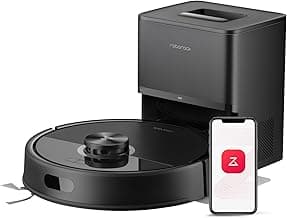
- Example: If you need a balanced, high-suction model with anti-tangle features and a true self-empty option, consider the roborock Q7 M5+, which pairs 10000Pa suction with a dual anti-tangle system.
Navigation, mapping and obstacle avoidance
Good navigation reduces missed spots, repeated passes, and collisions. LiDAR and camera-based mapping let vacuums create reliable floor plans, support no-go zones, and complete efficient multi-room runs. For models that pair advanced mapping with smart features, see our best smart robot vacuums.
- What to look for: LiDAR or advanced mapping, multi-floor map support, and clear obstacle detection (cliff sensors, bumpers, or 3D avoidance).
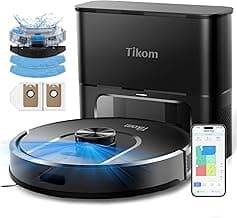
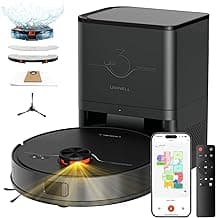
- Example: For dependable mapping and a self-emptying option in an affordable package, the Tikom L8000 Plus advertises LiDAR navigation and home mapping features.
Self-emptying, dust capacity and maintenance
Self-emptying bases reduce how often you handle dust, but they add ongoing costs (replacement bags/filters) and require space. Consider bin capacity on the robot and base maintenance needs when estimating lifetime cost and convenience.
- What to look for: how many weeks/days the base can hold debris, whether the base uses replaceable bags, and the accessibility of robot filters and brushes for cleaning.
- Practical tip: If you prefer low-touch maintenance, prioritize models that advertise multi-week base capacity and easy-to-replace parts. Keep spare filters and brushrolls handy to maintain performance. For comparisons focused on low-maintenance systems, check our best self washing robot vacuums.
Battery life, runtime and recharge behavior
Battery runtime determines how much floor area a robot can cover in one run. Faster recharge and smart resume features are useful for larger homes where the robot may need to return to base and finish cleaning.
- What to look for: advertised runtime in minutes, whether the robot auto-docks and resumes, and real-world battery performance under boost or carpet modes.
- Example: If long runtime matters, some budget-friendly models focus on extended runs — for instance, the Tikom G8000 Max lists up to 150 minutes of runtime, which helps on larger single-level homes.
App features, smart home integration and noise
Apps vary in how much control they give: scheduling, multi-map editing, suction presets, and manual control. Also check voice assistant support if you use Alexa or Google Assistant, and consider reported noise levels if the robot will run while you’re home.
- What to look for: robust scheduling, map editing (no-go zones), suction presets for rooms, and compatibility with your smart home ecosystem.
- Noise tip: higher suction modes are louder — look for quiet modes if you need daytime or night use. If quiet operation is a priority, our best quiet robot vacuums guide highlights low-noise models and measured decibel levels.
FAQ
What are the best robot vacuums under $500?
The best robot vacuums under $500 balance strong suction, reliable navigation, and convenient features like self-emptying or mopping. A top pick for many buyers is roborock Q7 M5+, which combines LiDAR navigation with multi-week self-emptying in many setups. For tighter budgets or small homes, slim models like the ILIFE V2 or value options from Tikom are worth a look. Choose based on your floors, pets, and how hands-off you want cleaning to be. For budget-specific picks and comparisons, see our best budget robot vacuums.
Is a self-emptying base worth it in a robot vacuum under $500?
Self-emptying bases cut how often you manually empty the dustbin, which is handy for pet owners or allergy sufferers. They do add some cost and require occasional bag or filter maintenance, so factor that into ongoing expenses. Several sub-$500 models, including the roborock Q7 M5+, advertise multi-week emptying capacity to reduce chores. If you value convenience over the absolute lowest price, a self-emptying system is generally a worthwhile upgrade.
What should I look for in a robot vacuum for pet hair under $500?
Look for high suction, a tangle-resistant brush or rubber roller, and a filtration system that captures fine dander and dust. Anti-tangle features and larger dustbins help when fur is heavy; for example the roborock Q7 M5+ notes a dual anti-tangle system aimed at pet hair. A self-emptying base or multiple cleaning passes also reduces hair buildup between maintenance sessions. Finally, good edge cleaning and reliable navigation help the robot reach areas where pets shed most.
Do robot vacuums under $500 mop effectively as well as vacuum?
Many sub-$500 combo robots handle light mopping and routine wet cleaning, but they won’t replace a dedicated deep-clean mop for stubborn stains. Look for models with controlled water release and a solid mopping plate if you want useful wet-cleaning performance rather than just a dust sweep. A practical example is the Tikom G8000 Max which pairs vacuuming and mopping for everyday spills and dusty hard floors. For more combo recommendations, see our best robot vacuum mop combos under $500. For grout or heavy messes, plan on occasional manual mopping in addition to the robot.
How long do batteries last on robot vacuums under $500 and how fast do they recharge?
Runtime varies by model and power setting, but many affordable robots offer roughly 90 to 150 minutes on a charge depending on suction level. For instance, the Tikom G8000 Max lists up to 150 minutes while the ILIFE V2 is around 120 minutes, so check the specs for your needs. Recharging typically takes two to four hours and most robots will return to the dock automatically and resume cleaning after charging. If you have a large home, prioritize longer runtime or automatic resume features to avoid incomplete cleaning cycles.
Final Verdict
After testing, the strongest robot vacuums separated themselves with reliable navigation, sustained suction and a practical self-emptying workflow; weaker options fell short on mapping or pet-hair handling. Prioritize LiDAR mapping, suction power, anti-tangle brush systems, and multi-level app controls when buying under $500. The top-performing models combined consistent room mapping, strong pickup on mixed floors, and low maintenance—features that save time and deliver noticeably cleaner floors.
🏆 Best Overall: roborock Q7 M5+ Robot Vacuum & Mop, 10000Pa LiDAR
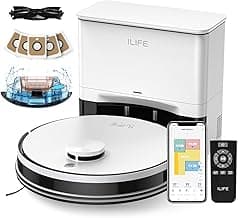
💰 Best Budget: ILIFE V2 Robot Vacuum — Slim, Tangle-Free, 120min Runtime
⭐ Best Premium: Tikom L8000 Plus Robot Vacuum — 6000Pa LiDAR, Self-Empty
For more buying categories and long-form comparisons, check our roundups like best robot vacuums with mop.