
Buying Guide
Suction power and surface performance
For the best robot vacuums and mops for home use, start by matching suction and cleaning systems to your floors. Higher suction helps pull dirt from low-pile carpet and pet hair, while gentler suction and a quality mop system work better on hardwood and tile. Look for models that advertise multi-stage cleaning or specialized brushes for hair to avoid repeated passes on high-traffic areas. See our best robot vacuums with mop guide for models that balance suction and mopping.
- Choose higher suction for homes with pets or lots of carpet; lower but consistent suction with a reliable mop is better for hard floors.
- Consider zero-tangle or anti-tangle brush designs if you have long hair or shedding pets.
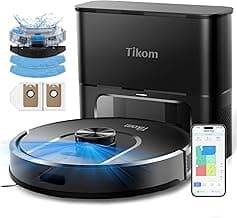
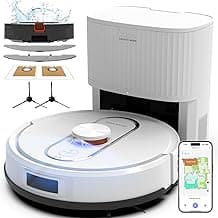
- Example: the Tikom G8000 Max is positioned as an all-around performer and is a useful reference when comparing suction vs. mopping balance.
Navigation, mapping and obstacle avoidance
How a robot moves around your home has a huge impact on coverage, cleaning time and how often it gets stuck. LiDAR and camera-based mapping let robots create and remember floor plans, clean rooms selectively, and avoid frequent collisions. If your home has many small furniture legs, toys or pet bowls, prioritise models with advanced obstacle detection. For deeper coverage of mapping systems, check our best smart robot vacuums.
- Mapping lets you set no-go zones and schedule room-by-room cleaning.
- Look for multi-sensor systems or explicit obstacle-avoidance features if you have lots of clutter.
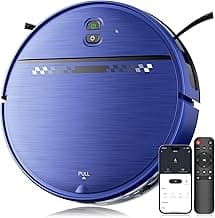
- Example: the ROPVACNIC 5200Pa emphasizes personalized cleaning adjustments and advanced obstacle avoidance, which helps in complex layouts.
Battery life and coverage
Battery runtime determines how much area a robot can cover before returning to dock. Don’t assume longer runtime is always better—consider recharge-and-resume capability, which lets the robot finish large jobs in multiple cycles. Match expected coverage to your home’s square footage and note whether the robot can return to the exact spot it left off. We also test coverage in our best robot vacuums for home roundup.
- For single-level apartments, moderate runtime with efficient mapping may be enough; for large or multi-room homes, prioritize recharge-and-resume and longer runs.
- A well-placed dock (in an open area) improves recharge speed and helps the robot start and end cycles reliably.
- Consider how often you want hands-off cleaning—more frequent short runs are fine if scheduling is easy in the app.
Maintenance, self-emptying and consumables
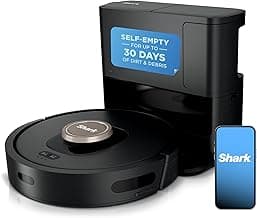
Maintenance affects long-term ownership cost and convenience. Self-emptying bases reduce how often you touch dustbins, while washable mops and replaceable filters determine consumable expenses. Check how easy it is to access and clean brushes, and how long replacement bags, filters and mop pads last. If you want fully hands-off cleaning, see our best self washing robot vacuums.
- Self-emptying stations vary in capacity—larger bins mean fewer trips to the trash but can add upfront cost and footprint.
- Reusable mop pads and washable filters lower ongoing cost; confirm availability and price of replacement parts for the model you choose.
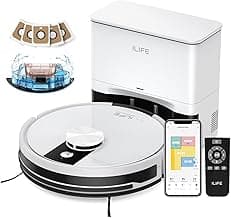
- Example: budget-friendly models that still offer self-emptying and mapping—like the Tikom L8000 Plus—can be a good compromise for hands-off cleaning on a budget.
Smart features, app control and integrations
Smart features improve convenience but vary widely. Useful capabilities include room labeling, scheduled cleanings, suction and mop-level adjustments, and integration with voice assistants. A clear app interface and reliable cloud services are worth prioritizing—poor software can make even a capable robot frustrating to own.
- Test or research the app experience—look for mapping screenshots, easy scheduling and straightforward zone controls.
- Voice control (Alexa/Google) is helpful for quick commands, but app-driven customization often matters more for day-to-day use.
- Consider offline or local mapping options if you have privacy concerns about cloud-based services.
Home layout, size and noise considerations
Think about how the robot will interact with your specific home. Low-clearance furniture, high thresholds between rooms, and quiet-hour requirements will change which model is best. Slim robots fit under low sofas and cabinets; quieter units are better for daytime use while people work or sleep. For wood surfaces specifically, refer to our best robot mops and vacuums for hardwood floors.
- Measure clearance under furniture and door thresholds before buying—some robots handle transitions better than others.
- If noise matters, check user feedback for real-world sound levels rather than just manufacturer specs.
- For pet owners, focus on tangle-resistant brushes, good filtration, and a robot that handles hair without frequent brush cleaning.
FAQ
What should I look for when shopping for the best robot vacuums and mops for home?
Start by matching the robot to your floor types — mop systems and brush designs behave differently on hardwood, tile, and carpet. Prioritize navigation technology (mapping vs. random), suction performance, and whether it has a dedicated mop reservoir or combined system. Battery life, bin capacity or a self-emptying base, and app or voice control affect day-to-day convenience. Finally, check filter quality for allergies, replacement part costs, and warranty before buying.
Which robot vacuum and mop is best for pet hair at home?
If pet hair is your main concern, look for strong suction, a tangle-resistant brush, and good sealing around the dustbin. A balanced pick that handles mixed floors well is Tikom G8000 Max, which is marketed for pet hair and offers app control and extended runtime. Also check for dual anti-tangle brushes or a zero-tangle design if you have lots of long fur. Regularly cleaning the brush and filter keeps performance high in homes with pets.
How long do robot vacuums and mops typically run, and will they recharge mid-clean?
Runtime varies by model and cleaning mode, so check the manufacturer specs for your intended use. Many robots can run long enough for a single-floor cleaning session and will return to the dock to recharge if needed. Models with recharge-and-resume continue cleaning after topping up, which is useful for larger homes. Keep in mind that heavy mopping or max-suction settings will shorten runtime compared with light cleaning modes.
Are self-emptying bases worth the extra cost for home cleaning?
Self-emptying bases reduce how often you touch the dustbin, making maintenance more hands-off; some claim weeks to months between manual emptying. For example, the Tikom L8000 Plus advertises a long-capacity self-emptying option that suits busy households. They’re especially helpful for pet owners or allergy sufferers but add size and cost to the system. If you prefer a smaller budget or footprint, a standard dustbin emptied weekly can still work well.
Does LiDAR mapping make a noticeable difference for robot vacuums and mops?
Yes — LiDAR mapping generally delivers more accurate maps and consistent cleaning patterns than basic random navigation. It enables reliable room-by-room cleaning, better obstacle avoidance, and the ability to set no-go zones or multi-floor maps. If you value predictable coverage and scheduled cleaning by room, LiDAR or advanced mapping is worth the upgrade. For very simple floorplans or tight budgets, basic navigation can still clean adequately but may miss spots or repeat areas.
Final Verdict
Across our testing the strongest robot vacuums stood out for consistent navigation, reliable suction, and practical autonomy (self-emptying docks or long runtime). Weaker options struggled with mapping accuracy, hair tangles, or inconsistent mopping. Prioritize LiDAR or dependable obstacle avoidance, sufficient suction for your floor type and pets, a self-emptying system for hands-off upkeep, and solid app controls. The best performers combined accurate mapping, tangle-resistant brushes, and predictable battery life for reliable day-to-day cleaning.
🏆 Best Overall: Tikom G8000 Max — 5000Pa Robot Vacuum & Mop
💰 Best Budget: Tikom L8000 Plus — 6000Pa Robot Vacuum w/ Self-Emptying
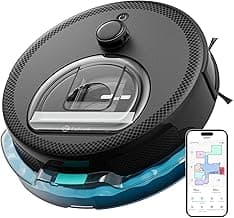
⭐ Best Premium: MONSGA — 8000Pa Robot Vacuum & Mop w/ LiDAR Smart Mapping