
Buying Guide
Fit and sizing: prioritize a secure, comfortable fit
For beginners, a shoe that fits correctly is the single most important factor. Look for a close heel hold with a thumb’s width of space in the toe box to accommodate foot swelling during runs. A shoe that’s too tight will cause hotspots and blisters; one that’s too loose will slide and waste energy.
- Try shoes on later in the day when feet are slightly swollen to get a realistic fit.
- Wear the socks you plan to run in when trying shoes.
- Remember brand and model sizing can vary—many runners size up half a size from street shoes.
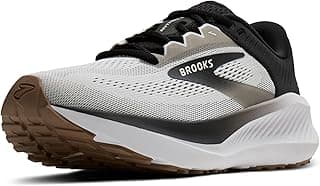
For a supportive, beginner-friendly fit, consider the Brooks Adrenaline GTS 24 as an example of a shoe with predictable, secure sizing and stable heel lockdown.
If you’re shopping on a budget, check our best road running shoes under $100 guide for cheaper, reliable picks.
Cushioning and support: match your comfort needs and mileage
Beginner runners often prefer moderate cushioning that balances comfort with a feeling of the road beneath your feet. If you plan short, frequent runs, softer midsoles can reduce impact and make running more enjoyable. If you expect to increase weekly mileage quickly, look for durable cushioning that maintains its feel over time.
- Test cushioning by walking and jumping lightly in-store—notice how quickly the midsole rebounds.
- Consider shoes labeled “neutral” if you have a natural gait or modest pronation; choose stability shoes if you need extra arch support.
If you need corrective features, see our roundup of best stability road running shoes for recommended models.
If you want a well-cushioned neutral option to try, the Brooks Ghost 17 is commonly recommended for everyday comfort and balanced cushioning.
Stability and motion control: why beginners often benefit
Many new runners benefit from shoes that offer stability features—firmer foam or guidance elements that help keep the foot aligned through the gait cycle. Stability shoes can reduce excessive inward roll (overpronation) and make each step feel more controlled, which may lower the risk of certain injuries for some runners.
- Look at midsole guidance elements or firmer medial support if you notice inward collapsing of the arch.
- Don’t assume stability equals stiffness—many modern stability shoes remain comfortable and flexible.
The Under Armour Charged Assert 9 is listed as a beginner-friendly option and is a useful point of comparison when evaluating stability and support features.
Weight and responsiveness: align shoes with your goals
Weight affects how the shoe feels at higher cadences. Heavier, more cushioned shoes can be forgiving for easy runs, while lighter, more responsive shoes make it easier to pick up the pace and feel nimble. Beginners should choose based on goals: comfort and injury prevention over chasing the lightest shoe immediately.
- If your priority is building base mileage comfortably, favor modestly cushioned, slightly heavier shoes.
- If you plan to incorporate faster intervals as you progress, consider a lighter, more responsive model later on.
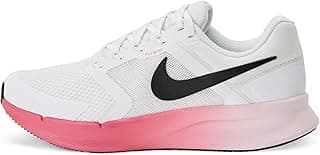
Budget-conscious beginners who still want decent responsiveness can compare options like the Nike Revolution 8 to see how different constructions feel underfoot.
Durability, traction and overall value
Durability matters if you expect to log many miles. Check outsole rubber coverage and midsole durability when assessing a shoe; full-length rubber outsoles tend to last longer on pavement. Value isn’t just price—it’s how long the shoe keeps supporting your runs before needing replacement.
- Rotate between two pairs if you run frequently—this extends overall shoe life and lets cushioning recover between uses.
- Inspect outsole wear patterns to learn about your gait and when to replace shoes (uneven wear can indicate fit or gait issues).
If your runs include unpaved sections, you may also want to compare options in our best trail running shoes guide.
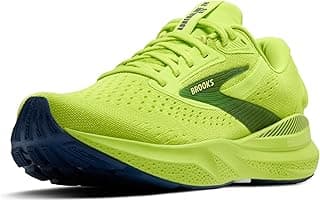
For runners prioritizing longevity as part of value, the Brooks Revel 8 can serve as an example to compare expected durability and outsole design when evaluating choices.
FAQ
What should I look for in the best road running shoes for beginners?
Start with a comfortable fit and reliable cushioning—beginners benefit from shock absorption as they build mileage. Look for a stable platform if you overpronate, or a neutral shoe if your gait is straight. Breathable uppers and a secure heel lock help prevent blisters on longer efforts. For a well-rounded, supportive option many beginners like the Brooks Adrenaline GTS 24 because it balances stability and cushioning without being heavy.
Are cushioned shoes better for new runners?
Cushioned shoes can be a smart choice for new runners because they soften impact and reduce fatigue while you adapt to regular training. That said, too much soft foam can feel unstable, so aim for moderate cushioning that still offers responsiveness. If you plan to mix running and speed work later, choose a shoe that balances comfort with a bit of spring. Well-cushioned neutral options like the Brooks Ghost line are popular for beginners looking for smooth rides without extra correction.
How do I find the right size and fit for road running shoes?
Try shoes at the end of the day when your feet are slightly swollen and wear the socks you’ll run in to get an accurate fit. Leave about a thumb’s width of space in the toe box so your toes don’t hit the front during descents. Make sure the heel is snug and your midfoot feels supported—there should be no rubbing or slipping. Always test by walking and jogging a few minutes in-store or use retailers with easy returns so you can swap sizes if needed.
Can I use road running shoes for walking and gym workouts?
Yes—many road running shoes work well for walking and light gym sessions because they offer cushioning and support for forward motion. If your gym routine includes lateral moves or heavy lifting, consider a cross-trainer for better side-to-side stability. For people who want one shoe for both walking and running, a durable, neutral trainer designed for mixed use is ideal. The Brooks Revel 8 is a good example of a long-lasting model built for both walking and road running. For mixed-use runners who hit light trails, check our best lightweight trail running shoes recommendations.
How often should beginners replace their road running shoes?
Most shoes need replacing every 300–500 miles, but individual factors like body weight, running surface, and shoe construction affect that range. Watch for reduced cushioning, noticeable sole wear, or new aches in knees or shins—those are signs your shoes are past their best. Rotating two pairs can extend each shoe’s life and give midsoles time to recover between runs. Keep a simple log of miles so you know roughly when to shop for a replacement before performance drops off.
Final Verdict
The strongest road running shoes for beginners separated themselves by delivering a secure, consistent fit, balanced cushioning and dependable support that prevent early discomfort. Prioritize cushioning level, stable support, accurate sizing, and durable outsole traction—these features most affect comfort and injury risk. The best performers combined forgiving midsoles with predictable stability and true-to-size fit, so choose the shoe that matches your foot shape and typical run distance for immediate comfort and steady progress.
🏆 Best Overall: Brooks Adrenaline GTS 24 Supportive Running Shoe
💰 Best Budget: Nike Revolution 8 Road Running Shoes
⭐ Best Premium: adidas Response Pace Running Shoe