
Buying Guide
Cleaning performance: suction, brushes, and anti-tangle systems
For premium robot vacuums, cleaning power is about more than raw suction numbers. Look for a combination of strong suction, a well-designed main brush and side brushes, and features that prevent hair from tangling. High suction helps with deep carpet cleaning, while a good brushroll and edge-cleaning tech improve results along baseboards and in corners.
- What to check: advertised suction (higher can mean better carpet pickup), brush type (rubber or hybrid bristles), and anti-tangle or detangling designs for pet hair.
- Why it matters: a machine with strong suction but a poor brush can still leave debris behind; premium models tend to balance both.
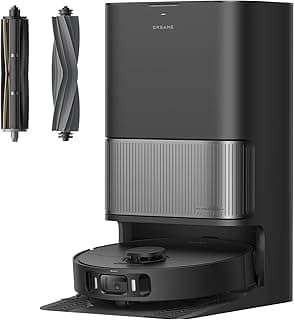
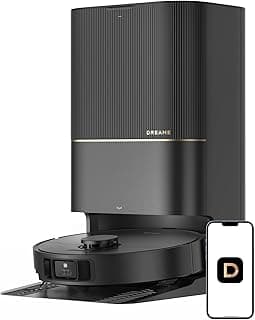
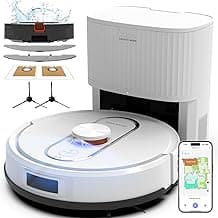
- Example: the DREAME L60 Ultra FE advertises a high 30,000Pa suction and a TriCut brush intended for corner-to-edge deep cleaning—features to expect from top-tier cleaners.
Navigation, mapping, and obstacle avoidance
Accurate navigation determines how methodically a robot cleans and whether it can map multiple rooms and avoid obstacles. Look for LiDAR or advanced camera-based systems, multi-floor mapping, and reliable obstacle detection to reduce missed spots and collisions. See our best smart robot vacuums for models that pair advanced mapping with intuitive app controls.
- What to check: LiDAR or PreciSense-style mapping, the ability to save multiple maps, and obstacle-avoidance sensors for furniture, cables and small objects.
- Why it matters: better mapping means efficient, repeatable paths and cleaner results in fewer runs.
- Example: robots with PreciSense LiDAR navigation, such as the roborock Q7 M5+, demonstrate how premium navigation improves coverage and room-by-room control.
Mopping systems and dock self-cleaning
If you want a premium model that also mops, pay attention to how the mop is cleaned and stored at the dock; our best robot vacuums with mop guide highlights top hybrid cleaners. Higher-end robots offer heated mop washing, hot-water self-clean cycles, auto-drying, or detachable liftable mops so the vacuum won’t wet carpets.
- What to check: whether the dock washes and dries the mop, mop-water temperature or pressure settings, and the ability to lift the mop head when vacuuming carpets.
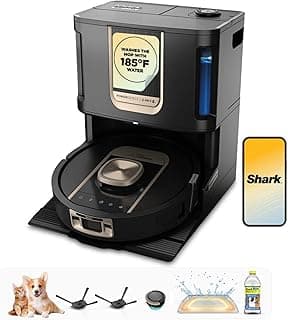
- Why it matters: self-cleaning docks reduce manual maintenance and keep mop pads hygienic between runs—an important convenience for busy households. See our best self washing robot vacuums for models focused on dock cleaning.
- Example: docks that include hot-water mop cleaning, like the 167℉ self-cleaning dock on the roborock Qrevo S Pro, are increasingly common in premium models.
Battery life, coverage, and charging behavior
Runtime and how a robot manages recharging affect how well it handles larger homes; check our best robot vacuums for home recommendations to match runtime to square footage and room layout. Look for stated runtime that matches your square footage and whether the robot supports recharge-and-resume so it can finish a job after topping off at the dock.
- What to check: usable runtime in minutes, recharge-and-resume capability, and how many rooms or floors a single charge can cover.
- Why it matters: premium vacuums should clean systematically without frequent human intervention—longer runtime and smart recharging help with large or multi-room homes.
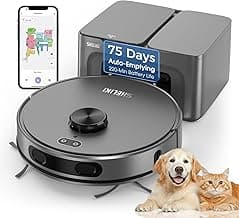
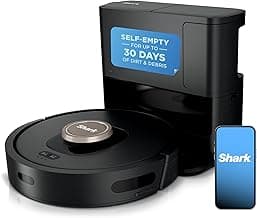
- Tip: some premium models also advertise extended self-empty capacities (measured in weeks) to reduce how often you need to change the dock bag—look for dock capacities that match your tolerance for maintenance.
Maintenance, filters, and long-term ownership costs
Premium robots reduce hands-on work but still require consumables. Check the type of filter (HEPA is common), the cost and availability of replacement brushes, filters and dock bags, and how easy it is to access dustbins and mop components.
- What to check: filter grade (HEPA or equivalent), replacement interval for brushes and filter, and whether replacement parts are widely available from the manufacturer or major retailers.
- Why it matters: a pricier robot can still become costly if proprietary parts are expensive or hard to find—factor consumable costs into the long-term price.
- Tip: pick models with user-friendly serviceability—easily removable bins, washable filters and simple brush access—to keep downtime and costs low.
FAQ
Which premium robot vacuum is worth the money?
For a true premium pick look for machines with auto-empty docks and a mop self-clean cycle—those save the most hands-on time. The Dreame L60 Ultra FE is a good example, combining auto-empty with a high-temp mop self-clean and strong suction for tougher messes. Expect to pay more up front, but the convenience and reduced maintenance often justify the price. Compare dock features, mop cleaning, and navigation performance to be sure it fits your home.
How long do premium robot vacuums last before they need replacing?
With regular maintenance many premium models last 3–7 years, and sometimes longer if you replace consumables like batteries, brushes, and filters. Battery capacity and brush motors are the parts that typically wear out first, so check replacement part availability before you buy. Keeping maps updated, emptying the dustbin, and cleaning sensors prolongs life and performance. If repair costs approach the price of a new unit, that’s the usual signal to replace it.
Are premium robot vacuums good for homes with pets?
Yes—premium vacuums often include anti-tangle brushes, stronger suction, and larger dustbins to handle pet hair and dander more reliably. For example, the roborock Q7 M5+ advertises anti-tangle systems and high suction specifically aimed at pet owners. Still, you’ll need to empty the dock occasionally and trim long pet fur to reduce tangles. Regular filter changes also help control allergens from pet dander.
Do premium robot vacuums really replace mopping?
Robot mops are excellent for routine maintenance like light spills, sticky footprints, and daily dusting, but they don’t fully replace a deep manual mop for stubborn stains or grout cleaning. Premium models with heated or self-cleaning mop systems reduce manual upkeep, making them far more practical for mixed floor homes. For combined vacuum+mop performance, see our best robot vacuums and mops for home picks. If your priority is deep scrubbing, plan to supplement the robot with occasional manual mopping. For everyday upkeep though, a high-end robot mop will keep floors looking consistently cleaner.
What features should I look for when choosing a premium robot vacuum?
Prioritize reliable navigation (LiDAR or 360° mapping), a self-empty dock, and good obstacle avoidance if you have furniture and cables. Strong suction and tangle-resistant brushes matter for pet hair, while a mop self-cleaning function is useful if you want hybrid vacuuming and mopping. App features like multilevel mapping, no-go zones, and voice control improve convenience and customization. Finally, check warranty, replacement part availability, and reviews for long-term satisfaction.
Final Verdict
Top premium robot vacuums stood out for dependable navigation, sustained suction, and low-maintenance docking systems; weaker models fell short on mapping accuracy, mop sanitation, or debris handling. Prioritize LiDAR or advanced mapping, strong suction, reliable auto-empty and mop self-cleaning, and obstacle avoidance when choosing. The best performers combined consistent room mapping, durable self-empty/mop workflows, and intuitive app control so the robot truly reduces daily cleaning effort.
🏆 Best Overall: roborock Q7 M5+ Robot Vacuum & Mop — 10000Pa Self-Empty, PreciSense LiDAR
💰 Best Budget: iRobot Roomba 105 — AutoEmpty Dock Robot Vacuum, LiDAR Navigation
⭐ Best Premium: DREAME L60 Ultra FE — 30,000Pa Auto-Empty Robot Vacuum & Mop