
Buying Guide
Power output: RMS vs. peak and matching expectations
Power ratings on amps are often presented as both RMS (continuous) and peak figures. RMS gives a realistic sense of what the amplifier can deliver continuously, while peak numbers describe short bursts. Focus on RMS when comparing units and aim for some headroom—an amp that can deliver a bit more power than your speakers’ nominal rating reduces distortion and stress at higher volumes. See our best audio amplifiers roundup for real-world comparisons.
- Tip: For small rooms and bookshelf speakers, a compact stereo amp can be plenty; the Fosi Audio BT20A Pro is a common example of a compact, home-oriented amplifier.
- For PA, DJ, or live-sound use choose amps with higher continuous power and stable ratings into 4Ω and 8Ω loads.
Speaker impedance and load compatibility
Always check the amplifier’s supported speaker impedance (ohms) and match it to your speakers. Driving too low an impedance can overheat or damage an amp; using a very high impedance speaker may limit available power. Look for amps that clearly specify stable operation at 4Ω and 8Ω if you plan to use a variety of speakers.
- Consider whether you need bridge/mono mode: bridging can increase output for a single speaker but requires correct impedance matching.
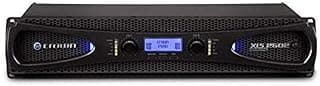
- If you’re new to matching speakers and amps, entry-level pro amps such as the Crown XLi800 are often recommended for their clear spec sheets and protection features. For broader options, check our best amplifiers guide.
Connectivity and onboard features
Think about the inputs and features you’ll actually use. Common useful features include balanced XLR inputs for pro gear, RCA for consumer sources, Bluetooth for wireless streaming, USB/SD playback, and built-in crossovers or DSP for integrating subwoofers and managed sound. Remote control and FM/aux options may matter for home installs.
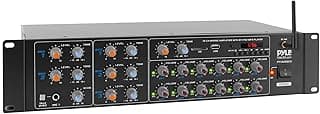
- If you need wireless streaming plus USB/SD playback in a budget-friendly package, the Daakro AK45 illustrates how many features can be packed into an inexpensive home amp. Compare feature sets in our best budget amplifiers list.
- For live sound, prioritize balanced inputs (XLR/TRS) and a reliable input-routing/crossover scheme.
Build quality, cooling, and protection
Durability matters, especially for rack-mounted or touring use. Check for robust metal enclosures, adequate ventilation or fans, and protection systems (thermal, short-circuit, DC offset, and current limiting). Rack-mountable units and those with better cooling designs tend to last longer under continuous heavy use.
- Class D amplifiers are compact and efficient, making them popular for both home and pro setups, but verify that the manufacturer includes thermal and short-circuit protection. If you want stereo-specific options, our best stereo amplifiers roundup covers popular Class D models.
- For pro or extended heavy use, look at purpose-built models such as the Rockville D12 or Gemini professional amps that emphasize cooling and duty-cycle design.
Use case and budget: matching amp to application
Choose an amplifier that fits your primary use. Home stereo listeners usually prioritize sound quality, compact size, and features like Bluetooth. DJs and live-sound engineers need higher power, reliable cooling, and rugged construction. Installers may prefer rack-friendly models with DSP and crossovers.
- Budget buyers can find surprisingly capable options aimed at home or light PA use; the Rockville RPA9 is an example often cited for value in high-output budget systems. See more value picks in our best budget audio amplifiers article.
- If you need long-term reliability for professional work, invest in an amp with clear specs, service support, and protection features even if the upfront cost is higher.
FAQ
What are the best power amplifiers for home audio?
“Best” depends on whether you want a compact hi‑fi setup, Bluetooth convenience, or a full pro rig. For most living‑room systems a compact Class D integrated amp that supports Bluetooth and tone controls offers the best balance of size, efficiency, and value — a good example is the Fosi Audio BT20A Pro. Look for clean inputs (RCA/XLR), reliable protection circuits, and a power rating that matches your speakers. If you need more headroom for parties or PA use, consider stepping up to a pro rack amp instead.
How much wattage do I need for my speakers?
Match the amplifier’s RMS power to your speaker’s recommended power range and give yourself headroom — many experts suggest 1.5–2x the speaker’s rated RMS to avoid clipping. Small bookshelf speakers often do fine with 50–150W per channel while more demanding PA or large floor speakers need several hundred watts. Check real-world examples: the Rockville RPA5 is a 200W RMS per-channel style amp for stronger home or DJ setups, while pro units like the Rockville D12 deliver much higher output for large venues. Always verify impedance compatibility (4Ω vs 8Ω) before connecting.
Are Class D amplifiers good for outdoor or garage use?
Yes — Class D amps are efficient, run cooler, and are lighter than traditional linear amps, which makes them a practical choice for outdoor, garage, and portable setups. Many compact consumer options (for example, the Fosi Audio BT20A Pro) include Bluetooth and basic tone controls that simplify outdoor use. Keep in mind most consumer amps are not weatherproof, so protect them from moisture and dust and provide ventilation. For long‑term outdoor installs, choose a weather-rated enclosure or a pro rack amp designed for fixed installations.
Can I use a pro power amplifier for DJ or live sound?
Absolutely — pro power amplifiers are built for continuous high output, bridging, and rack mounting which DJs and live rigs commonly need. Look for units with robust cooling, protective limiting, and versatile inputs; models like the Rockville RPA9 or the Rockville D12 are typical choices for DJs and live sound work. Ensure the amp’s power and impedance match your speakers and subwoofers, and use proper cabling and signal chains to avoid noise or damage. If you plan to travel, prioritize durable construction and front‑panel controls you can access quickly.
What’s the best beginner-friendly power amplifier?
Beginners should start with a reliable, easy-to-use amp that has clear controls, built‑in protection, and good documentation — that reduces setup mistakes and protects speakers. The Crown XLi800 is a popular, user‑friendly option for newcomers because it’s built for PA use, offers straightforward controls, and includes protective circuitry. Stick to an amp whose power rating is close to your speaker’s RMS rating and practice proper gain staging to avoid clipping. If you’re unsure, buy from a retailer with a good return policy so you can test it with your speakers.
Final Verdict
After comparing the field, the strongest power amplifiers stood out for dependable power delivery, solid thermal and protection features, and flexible input options—while weaker units cut corners on build quality, cooling, or usable connectivity. Prioritize true RMS power at your speaker load, robust cooling/protection, and the inputs (XLR/RCA/Bluetooth) you actually need. The best-performing amps combined stable rated output, clear control layouts, and trustworthy protection circuitry, so they deliver consistent performance in real-world setups.
🏆 Best Overall: Fosi Audio BT20A Pro Bluetooth 5.0 TPA3255 2-Channel Class D Amp
💰 Best Budget: Rockville RPA9 3000W Peak 800W RMS 2-Channel Power Amplifier
⭐ Best Premium: Rockville RPA5 200W RMS 2-Channel Power Amplifier with Crossover