
Buying Guide
Build quality and motor power
Mechanical machines vary widely in how they handle heavier fabrics and how long they last. Look for a solid chassis (metal components or a metal frame in key areas), a high-torque motor, and a reputation for reliability. These factors matter more than bells and whistles when you want a machine that will keep sewing for years.
For example, the SINGER Heavy Duty 4423 is built around a metal frame and advertises extra motor power, a combination that helps with denim, canvas and repeated home alterations.
Stitch options and essential features
Count the stitches you’ll actually use: straight, zigzag, a reliable buttonhole, and a few decorative or stretch stitches are often enough for most sewing projects. Also check whether the machine offers a one-step buttonhole, adjustable stitch length and width, and a reverse stitch lever for secure seams.
If you sew varied projects or thicker materials, a model with more built-in stitches and a one-step buttonhole can save time. The SINGER Heavy Duty 4452 is an example of a mechanical machine that balances a larger stitch set with a robust motor for thicker fabrics.
Ease of use and learning curve
Mechanical machines are valued for their simplicity, but small design choices make a big difference for beginners. Look for clear stitch-selection dials, an easy top-loading or front-loading bobbin system, and straightforward threading guides. A comfortable presser foot lever and accessible controls reduce frustration when you’re learning. For model suggestions tailored to new sewers, see our best sewing machines for beginners.
Lightweight, straightforward models can be less intimidating for new sewers. The Brother XM2701, for example, emphasizes simplicity and portability with a basic stitch set and included feet—features that suit learners who want to focus on fundamentals.
Accessories, presser feet and workspace
Check what comes in the box: presser feet (zigzag, zipper, buttonhole, blind hem, overcasting), spare bobbins, a seam ripper, and a cover or case add value. A wider or removable extension table is helpful for quilts and larger projects. Also consider whether optional accessories are readily available from the manufacturer or third-party suppliers. For storage and larger work surfaces, we also review the best sewing cabinets for quilting.
- Essential feet: straight/zigzag, zipper, buttonhole
- Helpful extras: walking foot, non-stick foot for leather/vinyl, extension table for quilting
- Small supplies: extra bobbins, needle assortment, and a good set of scissors
Budget, maintenance and long-term value
Decide whether you want a basic, affordable machine for occasional mending or a heavier model designed for frequent, diverse sewing. Mechanical machines often cost less to repair than computerized ones, and simple parts make DIY maintenance easier. Consider warranty length, availability of replacement parts, and whether a local repair shop services the brand. If price is a key factor, see our best budget sewing machines for affordable picks and value options.
Think beyond the sticker price: a slightly more expensive, heavier-duty machine often pays off through longevity and fewer service interruptions. Create a checklist (warranty, parts availability, user reviews, included accessories) to compare options and find the best mechanical sewing machine for your needs.
FAQ
Which is the best mechanical sewing machine for home use?
For a reliable all-around mechanical machine, many home sewers choose a heavy‑duty model because of its sturdier build and more powerful motor. A popular example is the SINGER Heavy Duty 4423, which combines a metal frame and a range of useful stitches for everyday projects. That extra power helps when you occasionally need to sew thicker fabrics while still being approachable for general sewing. Check customer reviews and warranty terms to make sure the model fits your long‑term needs. If you want broader options, see our best sewing machines for home use.
What should I look for when buying a mechanical sewing machine?
Focus on build quality, motor power, and the types of stitches and presser feet included, since those define what projects you can tackle. A metal frame and a reliable motor mean better stability and longer life, especially if you’ll sew heavier fabrics. Make sure the machine has an easy bobbin system, a clear stitch selector, and a usable buttonhole option. Finally, factor in support options like manuals, tutorials, and warranty coverage before you buy.
Are mechanical sewing machines good for beginners?
Yes—mechanical machines are often ideal for beginners because they keep controls simple and help you learn the fundamentals of tension, stitching, and handling fabric. Basic models strip away complicated menus so you can focus on technique and practice. Entry‑level machines from reputable brands typically include a few essential stitches and several presser feet to experiment with. Starting on a mechanical model makes it easier to understand how computerized features add convenience later on. If you want to compare, our best computerized sewing machines guide outlines what those extra features do.
Can mechanical machines sew thick fabrics like denim and leather?
Many mechanical machines can handle heavy fabrics if they’re built for it—look for “heavy duty” models with stronger motors and metal frames. For example, the SINGER Heavy Duty 4452 is designed to tackle thicker materials and comes with features that support heavier sewing tasks. Always use the correct needle type and weighty thread for denim or leather, lower your speed, and test on scraps before sewing the final piece. Proper footing and a walking foot or nonstick foot can also make a big difference.
How do I maintain and troubleshoot a mechanical sewing machine?
Regular maintenance keeps a machine running smoothly: clean lint from the bobbin area, oil moving parts as the manual directs, and replace needles frequently. If stitches skip or tension looks odd, rethread both the top and bobbin, check the needle for damage, and confirm you’re using the right needle and thread for your fabric. Listen for unusual noises—grinding or grinding can signal a need for professional servicing. Keep the manual handy for model‑specific guidance and follow the manufacturer’s service recommendations.
Final Verdict
After comparing the field, the top mechanical machines earned their place through solid build quality, dependable high-torque motors, consistent feed and tension control, and simple, reliable controls that handle thicker fabrics. Buyers should prioritize motor power, durable metal components, stitch options, and ease of threading. The best performers combined durability with consistent stitch quality and user-friendly operation for everyday sewing and repairs.
🏆 Best Overall: SINGER Heavy Duty 4423 High Speed Sewing Machine
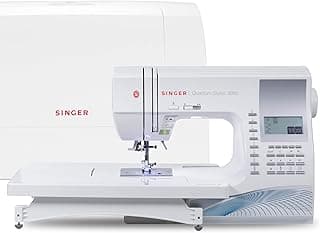
💰 Best Budget: SINGER Quantum Stylist 9960 Computerized Sewing Machine
⭐ Best Premium: Brother GX37 37-Stitch Mechanical Sewing Machine