
Buying Guide
Weight and materials
Lightweight trail shoes reduce fatigue on long outings but the way that weight is saved matters. Look for strategic material choices—lighter mesh uppers, minimal overlays and streamlined midsoles—that still preserve enough structure for off‑trail stability. For broader recommendations across trail categories, see our best trail running shoes guide.
- Why it matters: every ounce counts on steep or technical terrain; lighter shoes feel more responsive and speed up recovery between strides.
- What to check: listed weight (when available), upper construction (breathable vs waterproof), and whether the manufacturer uses recycled or engineered fabrics.
- Example: if you want a dependable everyday light option, the Saucony Excursion TR15 balances a lighter build with supportive overlays for varied trail use.
Traction and outsole design
Traction determines how confidently you can tackle wet roots, loose scree and steep climbs. Evaluate lug depth, pattern and rubber compound—not every lightweight shoe sacrifices grip.
- Lug pattern: deeper, widely spaced lugs shed mud better; shallower, closer lugs provide more surface contact on hardpack.
- Rubber compound: softer rubber grips wet rock better but wears faster; harder blends last longer on abrasive trails.
- Example consideration: value-oriented models like the adidas Terrex Tracefinder often offer aggressive outsoles that punch above their price in traction.
Cushioning, stack height and protection
Decide whether you prefer low stack, ground‑feel shoes or more cushioned platforms. Lightweight doesn't have to mean minimal protection—many shoes use modern foams to keep weight down while offering impact absorption.
- Low stack: better trail feedback, lighter weight, often faster but less protection on sharp rocks.
- Higher stack: more shock absorption and comfort on long runs; look for balanced geometry to avoid instability.
- Rock plates and toe protection: thin plates and reinforced toe caps add protection with minimal weight penalty, useful on rocky routes.
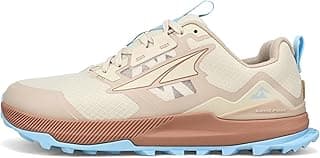
- Tip: compare ride descriptions and customer feedback for real‑world impressions—Lone Peak models are often cited for a roomy ride and comfortable cushioning across versions.
If you need more structured support on longer runs, our best stability road running shoes review explains stability features and supportive geometries.
Fit, toe box and sizing
A lightweight shoe that pinches or slips will quickly negate any performance gains. Fit is one of the most personal factors: pay attention to width, heel hold and toe box volume.
- Toe box: a roomy forefoot helps with downhill toe splay and blister prevention; narrower racing shoes favor speed but can cause discomfort on long runs.
- Heel and midfoot: secure lockdown reduces rubbing and improves efficiency; look for adjustable lacing and molded heel counters.
- Sizing tips: try trail shoes with the socks you plan to run in and account for downhill toe room—half a size up is common for many runners.
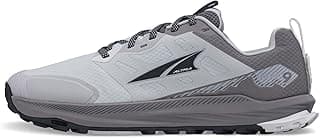
- Example: runners who prefer a wide, natural toe box and zero‑drop geometry often choose the ALTRA Lone Peak 9 for its roomy fit and consistent sizing.
If you're transitioning from pavement, check our best road running shoes for beginners for sizing and fit comparisons.
Durability, weather resistance and intended use
Consider the typical terrain and conditions you’ll encounter. Durable uppers, reinforced toe areas and waterproof treatments add weight but increase lifespan and versatility.
- Wet climates: look for shoes with water‑resistant membranes or quick‑draining uppers depending on whether you prioritize dryness or breathability.
- High abrasion trails: reinforced overlays and tougher rubber outsoles extend durability on rocky or rooty routes.
- Intended use: pick lighter, less protective shoes for fast, short outings and choose more protective, slightly heavier options for long-distance or technical hikes.
- Model note: compact, well‑built options such as The North Face Altamesa 500 V2 are often selected when durability and protective features are priorities despite a higher price point.
For shoes specifically designed to keep feet dry in persistent wet conditions, see our best waterproof trail running shoes roundup.
FAQ
What should I look for when shopping for the best lightweight trail running shoes?
Look for a balance of low weight, reliable traction, and enough protection for roots and rocks—thin shoes can still offer toe guards and rock plates. Prioritize a secure fit that won’t let your foot slide on descents and a midsole that provides the cushioning you need for your typical distances. Consider the lug pattern and rubber compound if you run on wet or loose terrain, and check breathability if you run in hot conditions. Finally, read reviews for durability so you don’t sacrifice too much lifespan for a lighter shoe.
Are lightweight trail running shoes durable enough for rough trails?
Yes, many lightweight trail shoes are built to handle rough trails, but durability varies by design and materials. Look for reinforced uppers, sturdy toe caps, and a durable outsole compound if you frequently run on jagged or rocky routes. Budget and midrange models often strike a good balance between weight and toughness—models like the ALTRA Lone Peak 8 are examples that aim to combine a light feel with trail-ready construction. Still, expect lighter shoes to show wear faster than heavier, more protective options.
How should I size lightweight trail running shoes compared to my road shoes?
Trail shoes often need a little more room in the toe box to accommodate downhill foot slide and thicker socks, so many runners go a half to a full size up from snug road shoes. Measure your foot at the end of the day and try shoes with the socks you plan to wear on the trail to get an accurate fit. Pay attention to width and heel lockdown—too loose and your foot will move, too tight and you’ll get blisters. Allow a short break-in period before tackling long or technical runs to confirm the fit feels right on varied terrain.
Can lightweight trail shoes handle wet and muddy conditions?
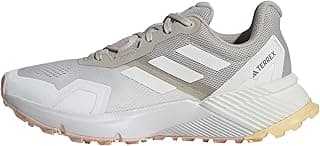
Some lightweight trail shoes are designed specifically for wet conditions with sticky rubber and water-repellent uppers, while others prioritize breathability and drain faster. For muddy routes look for deep, widely spaced lugs to shed mud and a grippy outsole compound to maintain traction. Waterproof models can keep feet dry in constant rain but may reduce breathability—choose based on how often you encounter standing water. If you want a wet-weather option that still feels light, consider the adidas Terrex Soulstride Rain.rdy.
Which lightweight trail shoes are best for long-distance runs?
For long distances prioritize consistent cushioning, supportive midsoles, and a fit that prevents hot spots over many miles rather than the absolute lightest model. Shoes with a balanced stack height and comfortable toe box let you run farther with less fatigue, and durable outsoles help them last through many training miles. If you want a premium, long-distance option that leans toward comfort and protection without excessive weight, the ALTRA Lone Peak 9 is an example that many runners choose for longer trail days. Always test potential long-distance shoes on shorter runs first to confirm they suit your gait and terrain.
Final Verdict
After testing a wide range of lightweight trail runners, the strongest shoes stood out for a balanced mix of low weight, confident grip, responsive cushioning and secure fit; weaker options sacrificed traction or protection for marginal weight savings. Prioritize outsole grip, midsole responsiveness, toe protection and consistent lockdown for varied terrain. The best performers combined durable lugged outsoles, tuned cushioning and reliable heel/forefoot fit to deliver fast, comfortable miles without compromising safety.
🏆 Best Overall: Saucony Excursion TR15 Trail Running Shoe
💰 Best Budget: ALTRA Lone Peak 8 Trail Running Shoe
⭐ Best Premium: ALTRA Lone Peak 9 Trail Running Shoe