
Buying Guide
Height and high-back fit
Tall users need a chair that supports a longer torso and provides enough seat height to keep knees at or slightly below hip level. Look for a higher maximum seat height (often specified in the product details) and a high-back design with an integrated or adjustable headrest to support your neck when reclining.
- Measure your lower leg length (floor to back of knee) and compare it to the chair’s maximum seat height.
- High-back chairs with a taller backrest help distribute upper-body weight and prevent shoulder strain.
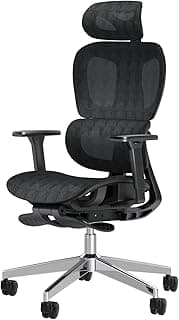
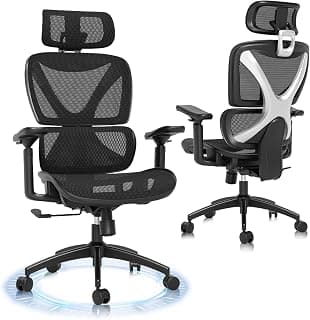
- Consider a chair with a headrest or an adjustable neck support if you frequently lean back — for example, the Marsail Ergonomic Mesh Chair is designed with a high back and headrest aimed at taller users.
Seat depth, width and cushioning
Seat depth and width matter more for tall people than for average-size users. Deeper seats let taller thighs rest comfortably without leaving excess pressure behind the knees; wider seats prevent pinching for bigger frames. Cushioning should balance comfort with support to avoid bottoming out over long workdays. For chairs designed specifically for extended sitting, see the best home office chair for long hours guide.
- Look for a seat depth that supports most of your thigh while leaving about 2–3 inches from the seat edge to the back of your knee.
- Choose firmer, denser foam or pocket-spring cushions if you sit for long periods—these hold shape longer than thin foam.
- Extra-wide seats and thick cushions are particularly helpful if you plan to sit for multiple hours daily. If you work extended shifts, check the best home office chair for 10 hour workdays.
Lumbar support and back ergonomics
Proper lumbar support is essential for tall users because a mismatch between the lumbar support location and your lower back can leave you unsupported. Adjustable lumbar height and firmness let you position support where your spine needs it most.
- Prefer chairs with adjustable or inflatable lumbar mechanisms so you can fine-tune the support height and depth.
- Mesh backs often conform to the spine and offer breathable support; padded backs provide more cushion but can trap heat.
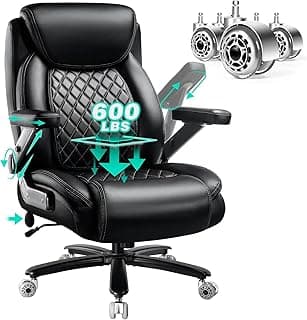
- If lower-back support is a priority, consider chairs that advertise dedicated or air lumbar systems—for example, the 600lbs Big and Tall Chair with Air Lumbar includes an adjustable lumbar solution intended for heavier and taller users.
For chairs that prioritize spinal comfort and neck relief, also see our best home office chair for neck pain recommendations.
Weight capacity, frame and casters
Choose a chair with a weight rating comfortably above your body weight to ensure durability and safety. Heavy-duty frames, reinforced bases, and quality gas lifts extend a chair’s lifespan and maintain stable performance for bigger users.
- Check the maximum weight capacity and prefer chairs with metal (steel or aluminum) bases and reinforced frames for long-term durability.
- Larger-diameter casters and a wider base increase stability—look for rated casters suitable for your floor type.
- A longer warranty or clear replacement-part policy can indicate higher build confidence from the manufacturer.
Adjustability: armrests, recline and head support
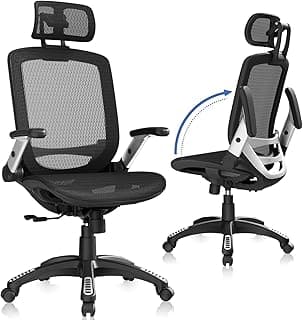
Full adjustability lets tall users tailor the chair to their unique proportions. Look for armrests that adjust in height and width (or flip up), multi-position recline with a lock, and a headrest that moves for proper neck alignment.
- 4-way (or 3D/4D) adjustable armrests are ideal because they allow height, width, depth and pivot adjustments to match your forearm position at the desk.
- Stepless recline or multiple recline locks let you find comfortable back angles for work and rest; a tilt tension control helps manage how easily the chair reclines.
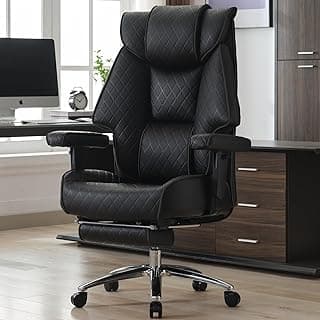
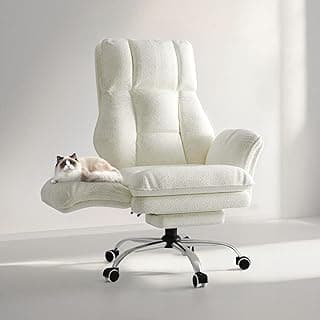
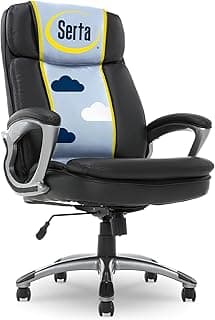
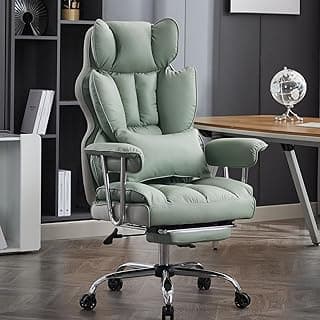
- If you prefer extra comfort features—like footrests, heat or massage—look for models that add these without sacrificing core ergonomic adjustability (some reclining executive chairs include such extras as a secondary comfort option).
If your typical day is closer to a standard shift, our best home office chair for 8 hour workdays guide highlights models tuned to that usage pattern.
FAQ
What should I look for in the best home office chair for tall people?
Focus on adjustable seat height and deeper seat depth so your thighs are fully supported without pressure behind the knees. A taller back and an adjustable headrest help maintain neck and upper-back alignment, while adjustable lumbar support prevents lower-back strain. Durable construction and a higher weight capacity are important if you’re heavier as well as taller. For a well-balanced example that combines height, lumbar support and a headrest, consider the Marsail Ergonomic Mesh Chair.
Are mesh or leather chairs better for tall people?
Mesh chairs usually offer better breathability and flexible back support, which can be helpful for long hours and a taller frame. Leather or PU-covered chairs provide more padding and a firmer seating surface, which some taller users prefer for a cushioned feel. Choose mesh if you want airflow and contouring, choose leather-like materials if you want plush padding and easier cleaning. Either material can work well as long as the chair’s dimensions and adjustability fit your body.
How should I set up my chair height if I’m over 6 feet tall?
Adjust the seat so your feet are flat on the floor and your knees sit roughly level with or slightly below your hips for a neutral posture. Make sure there’s a small gap between the front edge of the seat and the back of your knees so circulation isn’t restricted. If the seat feels too shallow, look for chairs with deeper seat pans or adjustable seat depth to support more of your thigh. Pair the chair height with a properly positioned monitor and keyboard to keep your shoulders relaxed and wrists neutral.
Can I use a regular office chair if I’m tall and heavy?
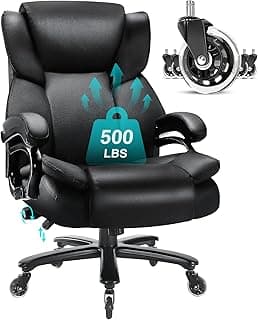
Regular office chairs often lack the seat depth, back height and weight capacity needed for taller, heavier users, which can shorten comfort and durability. Check the manufacturer’s height recommendations, seat depth, and maximum weight rating before buying. If you need a heavy-duty option without spending a lot, look at chairs specifically marketed for big-and-tall users—one budget option is the 750lbs Big & Tall Chair. Investing in a purpose-built model improves comfort and reduces the risk of premature wear. If you're not tall and need options for smaller frames, see our best home office chair for short people guide.
Which features help tall people with chronic back pain?
Look for a high back with customizable lumbar support, an adjustable headrest, and a recline that locks at multiple angles to change pressure on your spine throughout the day. A deeper seat with firm but resilient cushioning supports the length of your thighs and prevents slumping. Adjustable armrests (height and width) let you keep shoulders relaxed while typing, which reduces secondary strain on the back. If you want a premium, well-cushioned option, consider models that advertise thicker cushions and stepless recline to fine-tune your posture.
Final Verdict
Top performers for tall users separated themselves with extended seat depth, taller backrests and dependable lumbar/head adjustments plus heavy-duty bases. Lesser options often had shallow seats or limited recline. Prioritize seat depth and back height, adjustable lumbar and head support, firm cushioning and strong load ratings—chairs that combined those features delivered consistent comfort, posture support and durability for long home-office sessions.
🏆 Best Overall: Marsail Ergonomic Mesh High-Back Office Chair with Lumbar Headrest
💰 Best Budget: 750lbs Big and Tall Office Chair — Wide Thick Seat & 4D Armrests
⭐ Best Premium: Big and Tall Home Office Chair — 400lb Capacity, Wide Mesh & 5.5in Cushion