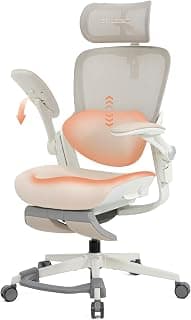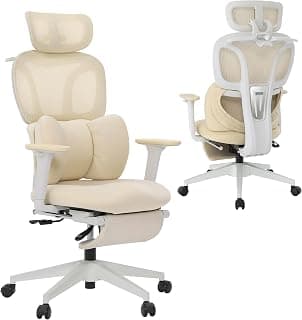

Buying Guide
Seat height and adjustability
For shorter users, seat height is the single most important fit factor. You want feet flat on the floor with knees at or slightly below hip level. Look for chairs with a wide range of pneumatic height adjustment and a seat that can be lowered enough so your thighs sit comfortably without pressure behind the knees.
- Tip: Measure your popliteal height (floor to back of knee) while seated and compare it to a chair’s lowest seat height range before buying.
- Tip: A tilt or synchro-tilt mechanism helps you change posture throughout the day without having to raise the seat.
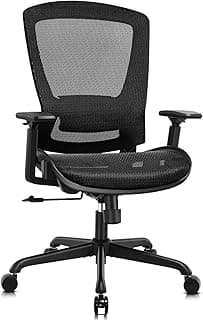
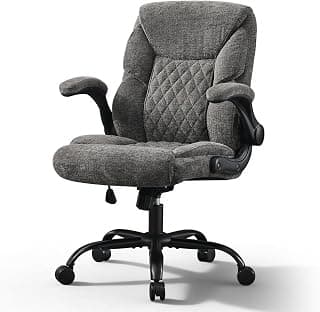
Example: If you need a very low starting height, consider a compact mid-back that emphasizes adjustability, such as the BestOffice Mid-Back Ergonomic Chair, which is frequently recommended for users who need a lower seat profile.
For compact product recommendations and petite sizing, see best home office chair for petite users.
Seat depth, width, and cushioning
Seat depth is critical for shorter legs. A deep seat can push the edge into the back of your knees; a shallow seat can leave you unsupported. Seek chairs with a shorter seat pan or a seat with adjustable depth so the back of the seat sits 1–2 inches behind your knees.
- Tip: Firmer, contoured cushions maintain support better than overly soft foam that compresses and reduces clearance.
- Tip: If you’re narrow-hipped, a narrower seat or side bolsters help you sit centered without sliding forward.
If you expect to sit long stretches, our guide to the best home office chair for long hours covers cushions and support that hold up over time.
Lumbar support and backrest shape
Proper lumbar support keeps the lower spine in its natural curve and prevents slouching. For shorter frames, look for adjustable lumbar height or a smaller, more pronounced lumbar pad that aligns with the lower back without needing to sit unusually high.
- Tip: Adjustable lumbar support that can be moved up or down is especially useful for matching different torso lengths.
- Tip: Breathable mesh backs can help with all-day comfort, while cushioned backs provide a softer feel—choose based on how much contour you need.
Example: If you want a chair built with pronounced, adjustable lumbar and a strong load capacity, the Fizzin Mesh Ergonomic Chair is often cited for its adjustable lumbar system and supportive back shape.
If you experience neck issues along with lumbar concerns, check our roundup of the best home office chair for neck pain.
Armrests, tilt, and ergonomic controls
Armrests that are adjustable in height (and ideally width or pivot) help shorter users keep shoulders relaxed without raising the seat. Look for accessible tilt tension and lock features so you can recline while keeping feet flat on the floor.
- Tip: Flip-up or removable armrests are useful when you need to move closer to a desk or keyboard without obstruction.
- Tip: Easy-to-reach controls are important; test whether you can adjust tension and height comfortably while seated.
Size, build quality, and weight capacity
Choose a chair that fits your body proportionally—petite or compact models are designed with shorter seat depth and lower arm heights. Also check materials and warranty for long-term durability rather than assuming higher price equals better fit.
- Tip: Verify the manufacturer’s recommended user height or “petite” sizing when available; some lines are explicitly built for shorter users.
- Tip: Consider caster type and base diameter if you’ll be working on hardwood or a small footprint desk area.
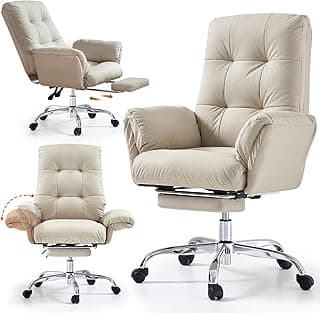
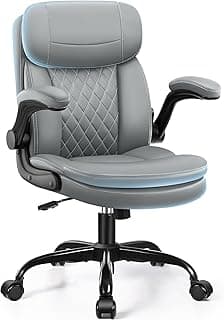
Example: If space and a smaller footprint matter, a compact executive chair can balance scale and features—see options like the COMHOMA Compact PU Executive Chair, which is positioned for smaller users and smaller rooms.
FAQ
What should I look for when choosing the best home office chair for short people?
Look for a chair with a low adjustable seat height, a shallow seat pan, and reliable lumbar support so your back and feet sit comfortably without sliding forward. Adjustable armrests or flip-up arms help you match desk height without straining shoulders. A tilt mechanism and good padding increase comfort during long sessions. For a balanced, budget-friendly example that fits many shorter users, consider the BestOffice Mid-Back Chair.
How low should a chair seat go for someone under 5'4"?
The seat should lower enough that your feet sit flat on the floor with knees roughly level with hips; this keeps pressure off the thighs and supports good posture. If your knees are too high, use a footrest rather than raising the seat, which can misalign your desk height. Try chairs with a wide adjustment range and test them in person if possible. A simple, adjustable option like the Amazon Basics Low-Back chair can be a useful baseline when shopping. Also read our best home office chair for 8 hour workdays guide if you work a typical desk shift and need durable, all-day comfort.
Are adjustable armrests necessary for short people?
Adjustable armrests are very helpful because they let you set elbow height to match your desk and avoid shrugging or leaning. Look for armrests that move up/down and ideally flip up or in to get closer to the desk when needed. If armrests don’t adjust low enough, removable or flip-up styles let you tuck the chair in and keep your chair-to-desk relationship ergonomic. For a chair with flexible armrest options, consider models that advertise 3D or multi-directional armrests.
Is a mesh chair a good choice for shorter users?
Yes—mesh backs can provide breathable support and conform to your spine, which is helpful for shorter frames when the lumbar area lines up correctly. Make sure the mesh chair has adjustable lumbar support or a movable lumbar pad so the support hits the right spot. A well-padded seat is important because mesh seats vary in comfort; try to test cushion firmness before buying. If you want a premium breathable option, the Fizzin Mesh Chair is built with adjustable lumbar features.
What are the best budget chairs for short people that still offer support?
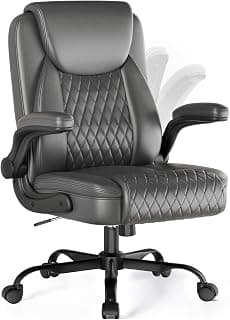
On a budget, prioritize adjustable seat height, proper lumbar support, and a seat depth that doesn’t force you to sit forward. Many PU leather or compact ergonomic chairs deliver these basics without luxury extras. Look for compact designs marketed for shorter users or “petite” frames to avoid oversized seat pans. A practical budget pick to start with is the Leather Budget Chair, which focuses on fit and basic ergonomics.
Final Verdict
After testing the shortlist, the strongest chairs stood out for low minimum seat height, adjustable lumbar support, and compact seat depth that keeps feet flat and knees at a healthy angle. Weaker options sacrificed adjustability or had oversized seats that short people can’t use comfortably. Prioritize adjustable height with a low range, true lumbar adjustment, and modest seat depth; the top performers combined those features with sturdy bases and smooth casters for reliable daily use.
If you’re taller, see best home office chair for tall people for models with higher seat heights and deeper pans.
🏆 Best Overall: BestOffice Ergonomic Mid-Back Swivel Chair with Lumbar Support
💰 Best Budget: PU Leather Small Office Chair with Ergonomic Back Support
⭐ Best Premium: Fizzin Ergonomic Chair 400 LBS with Adjustable Lumbar Support