
Buying Guide
Head and neck support: prioritize an adjustable headrest
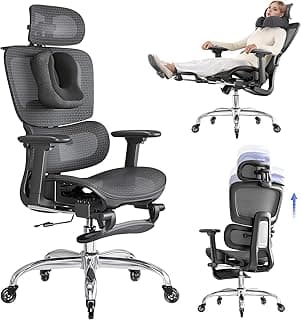
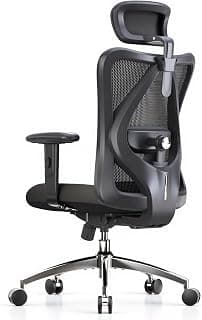
Neck pain often starts with poor head position. Look for chairs with an adjustable headrest you can move up/down and tilt so the top of your screen sits near eye level without straining your neck. For taller users, consult our guide to best home office chair for tall people to find models with extra headrest range. A headrest that follows your shoulders when you recline can make long sessions far more comfortable.
- What to check: vertical height range, forward/back tilt, and whether the headrest moves independently of the backrest.
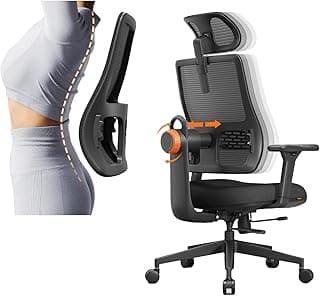
- Example: the CleverSeat Ergonomic Chair lists a 3D headrest and breathable mesh back—features that help maintain neutral head posture while keeping the neck supported.
Lumbar support and contouring: support the base of the skull to the lower back
Good neck relief depends on stable lumbar support. When your lower back is supported, your thoracic spine aligns better and the neck no longer has to compensate. Seek chairs with adjustable lumbar depth or dynamic lumbar systems that can be tuned to your spine's curve.
- What to check: adjustable lumbar height and firmness, whether the lumbar moves with the recline, and how the lumbar position feels when you sit in different postures.
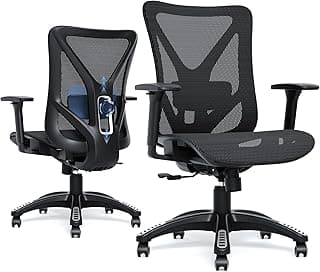
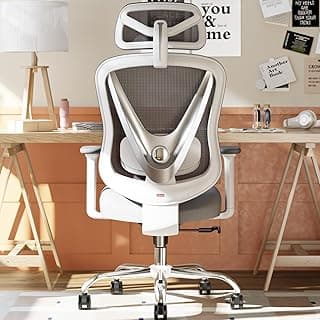
- Example: the Branch Ergonomic Chair Pro advertises dedicated lumbar support and extensive adjustments—useful if you need fine tuning to reduce neck strain.
If you have a smaller frame, see our roundup of best home office chair for petite users for chairs with appropriately positioned lumbar support.
Adjustability and range of motion: match the chair to your habits
Neck comfort improves when a chair lets you change positions easily. Features such as recline tension, tilt lock, forward-tilt, and multi-directional armrests let you find a posture that keeps your head balanced over your spine rather than jutting forward.
- What to check: recline range and tension control, whether armrests adjust in height/width/angle, and the presence of a forward-tilt or synchro-tilt mechanism.
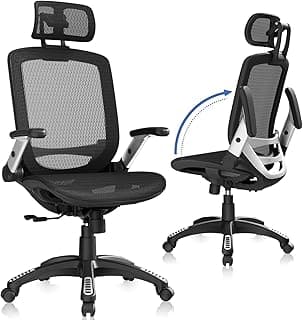
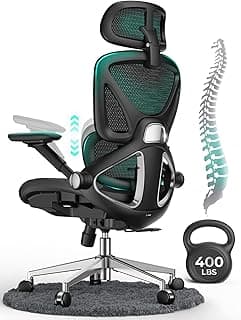
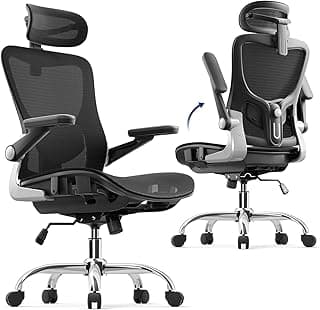
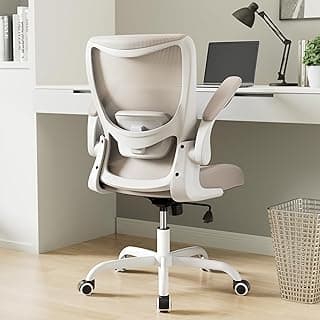
- Example: a high-capacity mesh chair with flip-up armrests and adjustable lumbar—like the Ergonomic Desk Chair (330 lb capacity)—lets you clear the armrests for desk tasks and still get support when you recline.
If you spend long stretches seated, check our picks for best home office chair for long hours for durable, highly adjustable models.
Seat cushioning, depth and materials: comfort without compromising posture
The seat influences how your pelvis tilts and therefore how your spine stacks up to the neck. Choose a seat with enough depth to support your thighs without cutting off circulation and a firmness that prevents you from sinking forward. Breathable materials help during long days, while denser foam keeps the seat from collapsing over time.
- What to check: seat depth and width for your body, foam density (firmer for longer sessions), and whether the cover material traps heat (mesh) or feels softer (velvet, fabric).
- Tip: try to sit for 10–15 minutes in a chair before committing—feel for pelvic tilt and whether you need to lean forward to reach your keyboard, which will increase neck strain.
For folks working marathon shifts, our best home office chair for 10 hour workdays guide highlights seats designed for extended use.
Build quality, weight capacity and service: durability matters
A sturdy base, smooth casters, and a clear weight rating ensure consistent alignment and long-term neck relief. Check manufacturers’ warranty and return policies—being able to test a chair and exchange it reduces risk when you’re addressing persistent neck pain.
- What to check: rated weight capacity, reinforced frame materials, caster quality for your floor type, warranty length, and the seller’s return or trial window.
- Practical note: big-and-tall options and chairs with quality gas lifts maintain ergonomic positions better over time; poorly built chairs can lose lumbar and headrest alignment, worsening neck symptoms.
FAQ
What features should I look for in the best home office chair for neck pain?
Choose a chair with an adjustable headrest and good lumbar support so your neck and lower back stay aligned. Height adjustment and a recline or tilt function let you change posture through the day, which reduces sustained strain. Supportive padding and a breathable back help you stay comfortable during long sessions. Also look for adjustable armrests to keep shoulders relaxed and monitors set at eye level to avoid forward head posture.
Are headrests important for preventing neck pain in office chairs?
Yes—an adjustable headrest can support the natural curve of your neck and reduce muscle tension, especially when you recline. The best headrests move up, down, and tilt so you can position them where your skull meets the neck. If you want a chair built around that feature, consider models like the CleverSeat Ergonomic Chair which includes a 3D headrest option. Pair the headrest with good lumbar support and regular movement for best results.
Can an ergonomic chair really help with chronic neck pain?
An ergonomic chair can be a meaningful part of pain management by promoting a neutral spine and reducing repetitive strain. Chairs with adjustable headrests, lumbar support, and multiple tilt options let you customize posture, which often lowers pain frequency. However, long-term neck pain usually needs a combination of chair setup, workstation adjustments, movement breaks, and sometimes medical advice. Think of the chair as one tool in a broader plan to reduce symptoms and improve posture.
How do I adjust my chair to reduce neck strain?
Start by setting seat height so your feet sit flat and knees are roughly level with hips, which supports an upright posture. Raise your monitor so the top third of the screen is at eye level to avoid tilting the head forward. Position the headrest so it supports the base of your skull when you sit back, and adjust armrests to keep shoulders relaxed and elbows close to 90°. Finish by testing a slight recline and moving regularly—static sitting is a major contributor to neck tension.
Which affordable chair is good for neck support?
If you want a budget-friendly option with head and lumbar support, a beginner-focused ergonomic chair can be a smart pick. These chairs typically include adjustable lumbar and modest headrests to help maintain neutral alignment without a premium price. One accessible example is the Ergonomic Chair for Long Hours, which is designed with adjustable lumbar and headrest features for back and neck relief. Remember that padding, adjustability, and proper workstation setup matter just as much as price when addressing neck pain. If you’re shorter or need compact sizing on a budget, also see best home office chair for short people for affordable small-frame options.
Final Verdict
Strong performers separated themselves by offering adjustable, stable headrests plus reliable lumbar support and smooth recline; weaker options often lacked true neck adjustability or sufficient head support. Prioritize a 3D/adjustable headrest, tunable lumbar, breathable seat material, and weight capacity that fits your build. The best chairs combined easy, precise adjustments with firm neck support and synchronized recline, so pick a model that lets you fine-tune head and spine alignment for long work sessions.
🏆 Best Overall: CleverSeat Ergonomic Office Chair — Mesh Back, 3D Headrest, 330lb
💰 Best Budget: YITAI Stripes Velvet Swivel Chair — Height Adjustable, Gold Base
⭐ Best Premium: Branch Ergonomic Chair Pro — Mesh, 14-Point Adjustments, 5D Arms