
Buying Guide
Workspace size and layout
Start by thinking about how much flat, reachable work surface you need. Sewing cabinets vary from compact fold-down tables to wider cabinets with drop leaves or removable panels that create an inset for your machine. If you're working in a smaller room, our guide to best sewing cabinets for small spaces highlights compact designs and space-saving tips.
- Measure your machine's base and the fabric space you need for projects like quilts or garments.
- Look for adjustable or removable inserts if you want a flush work surface for large projects.
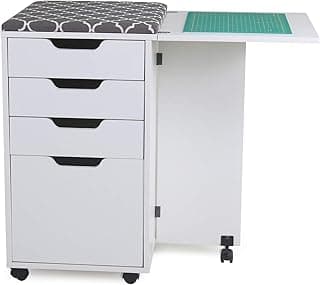
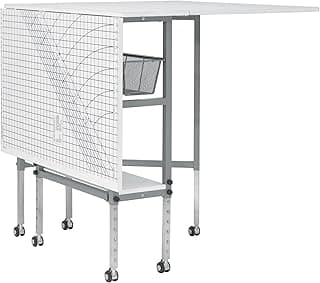
- For an all-around option that balances surface area and mobility, consider Best Choice Products Large Folding Sewing Table, which offers a broad fold-out workspace and caster wheels for easy repositioning.
Storage and organization
Good storage keeps notions, thread, and patterns organized and within reach. Consider the types of storage you use most—shelves, drawers, trays, spool racks, or peg storage—and how accessible they are while you sew. For focused examples of cabinets built around organized layouts, see our roundup of best sewing cabinets with storage.
- Look for a mix of open shelves for bulky items and enclosed compartments to protect delicate supplies from dust.
- Adjustable shelving and removable trays make it easier to reconfigure storage as your stash grows.
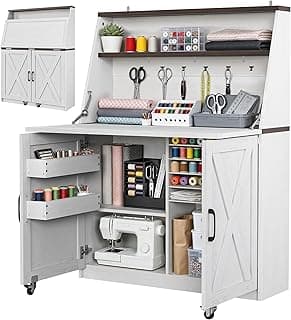
- If integrated lighting and adjustable shelves are important, the NEWOWNDS Craft Storage Cabinet is an example of a storage-focused cabinet with built-in lighting and modular shelving.
Mobility, build quality, and stability
Consider where you'll use the cabinet and whether you need it to move. Casters and lockable wheels make it easy to relocate a cabinet, but sturdy construction and stable platforms are crucial to avoid wobble while sewing. If portability is a priority, our list of best sewing cabinets on wheels showcases durable caster setups and locking mechanisms to watch for.
- Heavy-duty casters with locks keep the cabinet secure during use and let you roll it out of the way when needed.
- Check materials and joinery—engineered wood, solid panels, and reinforced hinges last longer and resist sagging.
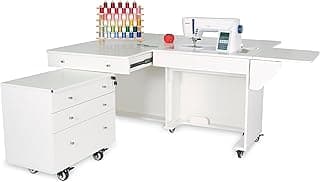
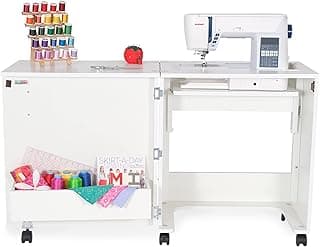
- For pro-level durability and a lockable, portable design, the Arrow Sewing “Judy” cabinet is a professional-style example to evaluate.
Lift mechanisms and machine compatibility
How the cabinet supports your sewing machine matters for comfort and functionality. Some cabinets use hydraulic lifts, others have drop platforms or fixed inset surfaces. Verify that the lift type and platform dimensions suit your machine model and weight. If you frequently work on large quilts, consult our recommendations for best sewing cabinets for quilting to ensure lift capacity and surface area match your needs.
- Confirm maximum supported weight and platform size so your machine sits level and secure.
- Consider how easy it is to insert and remove the machine for maintenance or when switching between machines.
- Look for smooth, durable lifts and well-fitted openings to prevent vibration and improve stitch quality.
Lighting, power options, and extra features
Built-in LEDs, charging stations, spool racks, magnetic doors, and thread organizers can make a cabinet far more convenient. Decide which extras will improve your workflow rather than cluttering the design.
- Integrated task lighting improves visibility without needing additional lamps.
- Power outlets or USB charging ports can reduce cord clutter when using accessories like irons or lights.
- Small features—like magnetic closures, removable trays, and labeled compartments—often make daily sewing smoother and worth prioritizing over cosmetic details.
FAQ
What is the best folding sewing cabinet for most home sewers?
For a balance of workspace, storage and mobility, many buyers prefer a roomy folding cabinet with caster wheels and multiple shelves. The Best Choice Products folding sewing table is a strong all-around pick thanks to its large work surface and built-in storage trays. Look for a cabinet that folds flat when not in use and has magnetic or locking doors to keep supplies tidy. If you sew often, prioritize durability and a surface that supports your machine without wobble.
How do I choose the right size folding sewing cabinet for my room?
Measure the open footprint of the cabinet as well as the folded dimensions so you know how much floor and storage space it needs. Think about the height of your machine and whether you want the sewing surface flush or inset for free-arm sewing. Also consider clearance for chair movement and any doors or baseboards that could interfere. If you’re short on space, compact or slim cabinets with wheels are easier to tuck away when not in use.
Are folding sewing cabinets sturdy enough to hold a heavy sewing machine?
Many folding cabinets are built to handle common home sewing machines, but you should check the manufacturer’s stated weight capacity and customer feedback for wobble or sag. Professional-grade cabinets like the Arrow Judy are designed with reinforced lifts and stronger hardware for heavier machines. If you use a heavy industrial or long-arm machine, a purpose-built professional cabinet or a dedicated table is safer. Always test the surface with your machine before starting a large project to confirm stability.
Do folding sewing cabinets include storage and lighting features?
Yes — most modern folding cabinets include shelves, spool racks, and small drawers for notions, and some add under-cabinet lights or LED options for better task lighting. Models marketed for beginners often include plug-in lights and adjustable shelves to keep supplies visible and organized. If lighting is important, check whether the lights are integrated, battery-powered, or require hardwiring. Also look for built-in charging stations or power outlets if you use electronic devices at your workstation.
How easy are folding sewing cabinets to move and assemble?
Assembly difficulty varies by model but most folding cabinets come with pre-drilled parts and a hardware kit, with clear instructions that a single person can follow in an hour or two. Lockable caster wheels make relocation around your home quick and secure once the cabinet is in place. For very compact or lightweight models, portability is excellent; larger, heavier cabinets may need two people to move safely. Always follow the assembly guide and tighten fasteners periodically to maintain stability.
Final Verdict
After testing top folding sewing cabinets, the winners separated themselves through solid construction, smooth machine lifts, intelligent storage layouts and reliable mobility—areas where weaker models skimped. Prioritize a sturdy lift or work surface, plentiful organized storage, lockable casters for stability, and compact folding to fit your space. The best-performing cabinets combined robust build quality with easy access to supplies and a stable sewing platform for consistent, fatigue-free sessions. For a broader comparison of tables and cabinet styles, see our best sewing tables and cabinets guide.
🏆 Best Overall: Best Choice Products Large Folding Sewing Table & Craft Station
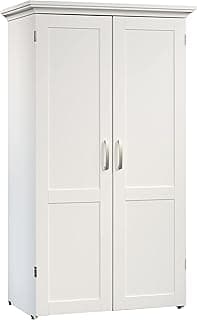
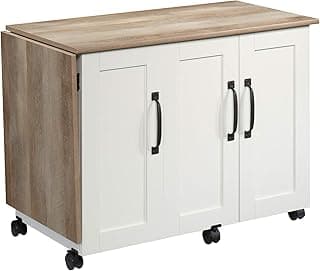
💰 Best Budget: Sauder Storage Craft & Sewing Armoire
⭐ Best Premium: VEVOR Folding Sewing Table with Wheels & Shelves