
Buying Guide
Compatibility and platform support
Before you buy, confirm the controller works with the hardware and software you already use. Drum controllers vary between game-focused, console-specific units and studio MIDI controllers that target Mac/Windows and mobile devices. Check whether a device is class-compliant (no drivers required), if it needs a specific OS version, or if it’s officially licensed for a console. See the best usb music controllers for class-compliant options.
- Check platform notes on the product page and read recent user reports about driver stability.
- Look for class-compliant USB or native Bluetooth if you want plug-and-play on multiple devices.
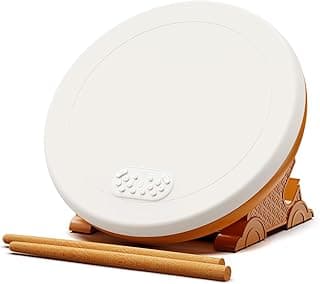
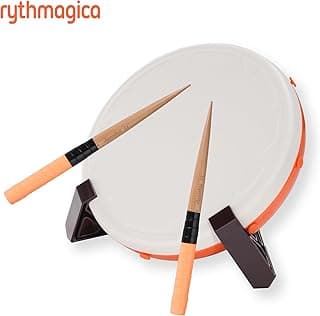
- For a console-first option, consider the HORI Taiko No Tatsujin Drum Controller (Switch) as an example of a controller designed for one platform with official licensing. For more console and gaming-focused hardware, check our best game controllers.
Pads, sensitivity and expressive performance
The feel and responsiveness of the pads determine how natural and expressive your playing will be. Look beyond pad count and examine velocity sensitivity, aftertouch (if available), and how evenly the surface responds across hits.
- Velocity-sensitive pads let you play dynamics; some specialty controllers add aftertouch or pressure-sensing for more nuance.
- Try to demo or watch video tests to assess pad rebound, bounce and whether soft/ghost hits register reliably.
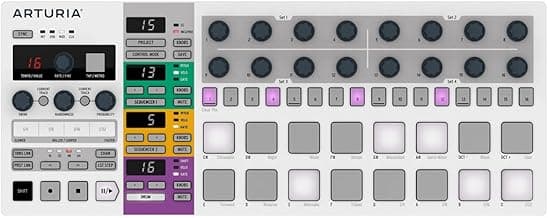
- If you want tight sequencing and pad-driven composition, check out hardware like the Arturia BeatStep Pro which focuses on pad playability and sequencing flexibility.
Connectivity and I/O
Think about how the controller will fit into your setup. Beyond USB, consider MIDI DIN, CV/Gate for modular gear, audio interfaces, footswitch inputs and dedicated trigger inputs for external pads or pedals.
- Choose a unit with the ports you need now and a little room to expand (MIDI DIN or CV/Gate if you plan to add synths/modular).
- Integrated audio interfaces simplify recording; balanced outputs and headphone outs are useful for silent practice and mixing.
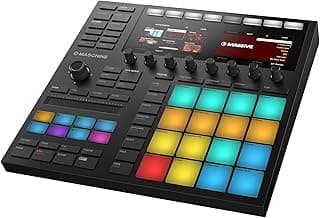
- For tight DAW integration and hands-on control, studio-focused controllers such as the Native Instruments Maschine Mk3 include extensive I/O and routing options.
Build quality, size and portability
Decide whether the controller will live on a desk, on stage, or travel frequently. Materials, pad durability and control placement affect longevity and playability. Lighter units are easier to transport but can feel less sturdy under heavy use.
- Metal chassis and well-seated controls typically last longer in regular use; plastic housings suit home studio or casual play.
- Consider footprint and weight—compact controllers save space but may trade off pad spacing and ergonomics.
- Look for replaceable parts (sticks, pads) or a good warranty if you expect heavy physical use.
Software, workflow and bundled extras
Bundled software, templates, and workflow features can speed up getting creative. Evaluate the included DAW content, sound libraries, templates for your DAW, and any built-in sequencers or pattern modes that match your working style.
- Confirm whether the controller includes useful software or just demo versions; full licenses add value.
- Onboard sequencing, note repeat, and easily mappable controls reduce setup time and improve creativity.
- If possible, test how well the controller maps to your preferred DAW and whether presets or templates are available to speed integration.
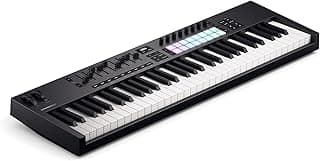
If you prefer hybrid setups with keys and pads, our best keyboard music controllers guide compares hybrid units and bundled software to help you choose.
FAQ
What should I look for when shopping for the best drum controllers?
Focus on pad feel and sensitivity, connectivity options (USB, MIDI, CV/gate if you use modular gear), and how it integrates with your DAW and sample library. Consider build quality and portability if you gig or travel, and check whether it includes useful software or templates to speed up workflow. Budget is important — higher-end units often offer better pads and more hands-on controls, while budget models can still be great for practice. For an all-around option that balances pads, software integration, and workflow, consider the Native Instruments Maschine Mk3.
Will a drum controller work with my DAW and other MIDI gear?
Most modern drum controllers use class-compliant USB MIDI or provide drivers, so they’ll work with major DAWs like Ableton Live, Logic, and FL Studio, but always check the manufacturer’s compatibility notes first. If you need hardware sequencing or modular integration, look for units with dedicated MIDI and CV/Gate I/O. Mapping and template support varies — controllers with customizable mappings and presets make DAW setup faster. The Arturia BeatStep Pro is a good example if you need extensive MIDI/CV connectivity for complex setups.
Which drum controllers are best for beginners on a tight budget?
Beginners should prioritize simple plug-and-play operation, responsive pads, and platform compatibility (PC, Switch, or console depending on use). Affordable options often focus on one use case — practice, production, or gaming — so pick the one that matches your primary goal. Durability and included software lessons or templates can speed learning without extra expense. If you want a beginner-friendly gaming-style option for the Nintendo Switch, the HORI Taiko No Tatsujin Drum Controller (Switch) is a low-cost, easy-to-use choice. You can also compare budget alternatives in our best budget guitar controller guide.
Can I use a drum controller for live performance or DJ sets?
Yes — many controllers are built for live use, but pick one with low latency, robust build quality, and easy access to performance controls like pads, faders, and cue buttons. Integrated audio interfaces simplify live setups by reducing the number of external devices you need. Some DJ-focused controllers combine pads and jogs designed specifically for mixing and triggering clips. For a unit designed with live DJing in mind, the Numark Mixtrack Pro II offers an integrated audio interface and trigger pads useful onstage. If you need gear optimized for stage mixing, see our roundup of best dj game controllers for models with integrated audio and performance pads.
How durable are drum controllers and which models tend to last longest?
Durability depends on materials, pad construction, and how often you gig or practice; rubber pads and plastic knobs can wear faster than sturdier silicone or MPC-style pads and metal controls. Look for well-known brands with good support and replaceable parts, and check user reviews for long-term reliability reports. Proper care — using soft cases, avoiding heavy impacts, and keeping firmware updated — extends lifespan significantly. Models like the Akai MPD218 are positioned as durable, performance-oriented controllers, but always weigh build and user feedback before buying.
Final Verdict
Across the roundup, standout drum controllers delivered precise pad response, low-latency MIDI, intuitive workflow and solid build — weaker units fell short on velocity sensitivity, reliable connectivity or software integration. Prioritize pad feel, connectivity (USB/MIDI/CV) and DAW/game compatibility when choosing. The best performers combined responsive pads, dependable hardware and seamless software integration for fast, expressive beat creation.
🏆 Best Overall: Native Instruments Maschine Mk3 Drum Controller
💰 Best Budget: Arturia BeatStep Pro Controller & Sequencer
⭐ Best Premium: Roland FD-8 Compact Hi-Hat Controller