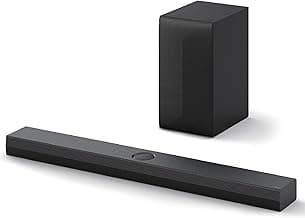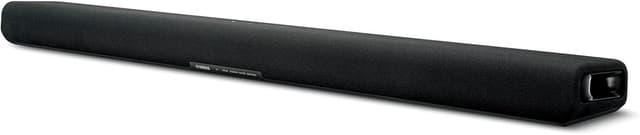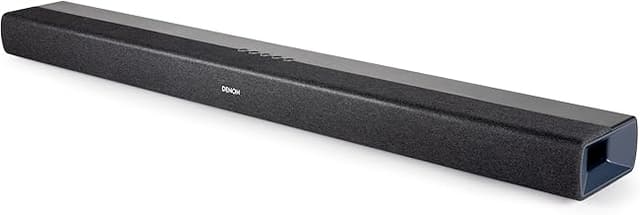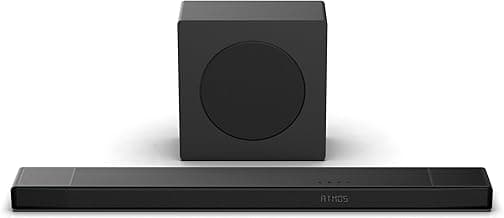

Buying Guide
Choosing the best Dolby Atmos soundbar means balancing immersive height effects with practical concerns like connections, room size and ease of use. The short subsections below highlight the most important factors to consider and offer actionable tips so you can pick a system that fits your TV, space and listening habits. For non‑Atmos options and broader comparisons, see our best soundbar guide.
1. Channels, drivers and how Dolby Atmos is rendered
Dolby Atmos adds a height dimension to sound, but implementation varies. Some soundbars use up‑firing drivers or dedicated height channels (5.1.2, 5.1.4 and higher), while others create a virtual height effect with beamforming and signal processing. If you want true object-based height cues for movies, look for systems with discrete height channels or separate rear/height speakers.
- Tip: For clear overhead cues in larger rooms, aim for at least a 5.1.2 configuration or a system that includes wireless surround speakers.
- Example: If you prefer a traditional surround setup with a dedicated subwoofer, a 5.1 system can be a practical starting point — consider models such as ULTIMEA Poseidon M60 that bundle a bar with a sub and surround channels.
2. Connectivity: HDMI eARC, passthrough and streaming options
Check the inputs and features that matter for your TV and sources. HDMI eARC is the most important modern feature because it passes full-resolution Dolby Atmos from streaming devices and smart TVs to the soundbar. 4K HDR passthrough and multiple HDMI inputs let you connect game consoles and players without swapping cables. If you rely on mobile streaming, look for Wi‑Fi or Chromecast/Apple AirPlay support; Bluetooth is handy for casual listening but usually limits audio quality. For affordable wireless options, see our best budget wireless soundbar picks.
- Tip: If your TV lacks eARC, an Atmos feed may be downmixed—confirm both TV and soundbar support eARC for native Atmos from apps on the TV.
- Tip: Optical connections don’t carry full Atmos—use HDMI eARC whenever possible.
3. Subwoofer and bass: built‑in vs external, wired vs wireless
Bass has outsized impact on perceived immersion. Decide whether you want a compact all‑in‑one bar (with an internal bass driver) or a separate subwoofer for deeper low end. Wireless subwoofers are common and simplify placement; an external sub generally delivers tighter, more powerful bass than the built‑in drivers in slim bars. Also keep in mind that advertised wattage varies by maker and isn’t always directly comparable—trust listening impressions and reviews over headline numbers.
- Tip: If you watch action movies or play games at higher volumes, prioritize a model with a dedicated subwoofer or one that supports adding a larger external sub.
- Tip: For apartments or small rooms, a smaller bar with adjustable bass and night modes helps control low‑frequency bleed.
4. Room size, placement and automatic calibration
Match the soundbar’s scale and feature set to your room. Slim bars and single‑piece systems work well for small to medium living rooms, while larger rooms benefit from multi‑speaker layouts with wireless surrounds and a beefier sub. Many modern soundbars include room calibration tools that measure your room and adjust EQ and delays—these can substantially improve imaging and bass control without manual tweaking.
- Tip: For compact living spaces, an all‑in‑one bar with built‑in Atmos and automatic tuning can deliver impressive results without extra speakers.
- Example: Budget‑minded, all‑in‑one options such as the Samsung S60D are often designed with small‑room placement and easy setup in mind. For more budget-focused Atmos options, see our best budget dolby atmos soundbar recommendations.
5. Features, ecosystem and long‑term use
Consider software features and ecosystem compatibility that affect daily use: mobile apps for tuning, firmware updates, voice assistant integration, multiroom support and how the soundbar plays with your TV’s smart features. If you already use a particular brand’s ecosystem (smart speakers, streaming services, or a specific voice assistant), choosing a compatible soundbar simplifies control and adds convenience. Finally, check warranty and return policies—firmware updates and active support can extend a product’s useful life.
- Tip: If you value hands‑free control or multiroom audio, prioritize soundbars that explicitly list support for your preferred voice assistants and streaming protocols.
- Tip: Read the brand’s update history and user feedback—frequent, well‑tested firmware updates are a sign of good ongoing support.
FAQ
What is the best Dolby Atmos soundbar for most people?
For most buyers, an all-in-one system that supports Dolby Atmos and includes a dedicated subwoofer delivers the best balance of immersion and convenience. A strong example is the ULTIMEA Poseidon M60, a 5.1ch system with Dolby Atmos, a wireless subwoofer and app control that fits living rooms without a lot of extra gear. It tends to offer clearer dialogue, better low end and easy Bluetooth or HDMI connections compared with bare soundbars. If you need more power or separate surrounds, consider stepping up to a premium 5.1.4 system.
Do I really need Dolby Atmos for a noticeable upgrade in TV sound?
Dolby Atmos can provide a more immersive soundstage, especially on scenes with overhead effects or complex sound design, so many people notice an upgrade for movies and certain TV shows. If your priority is clearer dialogue and fuller bass, a good non-Atmos soundbar with a quality subwoofer can also be a big improvement. Check whether your favorite content and streaming device support Atmos before investing. Ultimately, Atmos is worth it if you want a more cinematic experience at home.
Can I use a Dolby Atmos soundbar for gaming and will it reduce input lag?
Yes — many Dolby Atmos soundbars are designed for both movies and gaming, and models that advertise a “Game Mode” or “Game Mode Pro” prioritize lower latency and clearer positional audio. For example, Samsung’s S60D and higher-end Q-series include Game Mode Pro and adaptive sound features that help with faster response and better in-game audio cues. Make sure to connect your console via HDMI eARC or the TV’s passthrough HDMI and enable the soundbar’s game mode to minimize lag. If competitive latency is critical, compare manufacturer specs and real-user latency tests and check our guide to best gaming soundbar.
How do I set up a Dolby Atmos soundbar with my TV for the best results?
Start by connecting the soundbar to your TV using HDMI eARC when available — that preserves Atmos bitstreams and allows remote control through the TV. Place the soundbar centered under the screen, position the subwoofer where it sounds best (often near a wall), and put any rear speakers roughly at listening height for surround effects. Run the soundbar’s automatic room calibration or manual EQ to tune bass and dialogue levels, and check both TV and streaming app audio settings to ensure Atmos is enabled. Finally, update firmware and test with Atmos-enabled content to confirm everything is working.
Are wireless surround speakers worth it with a Dolby Atmos soundbar?
Wireless surrounds are a practical way to add real rear channels without long speaker runs, and they noticeably enhance immersion for movies and large rooms. Systems like the ULTIMEA Skywave X50 include wireless surround speakers and a dedicated subwoofer, which is useful if you want an expanded 5.1.4 setup without running cables. Keep in mind wireless surrounds still need power and good placement, and performance can vary by model and room acoustics. If you want the clearest overhead and rear effects, a true multi-driver Atmos system with dedicated surrounds will outperform stereo-only virtual solutions. For tips on wireless setups and products focused on wireless connectivity, see our best wireless soundbar guide.
Final Verdict
Top Dolby Atmos soundbars separated themselves by delivering coherent overhead imaging, dependable bass from a built-in or wireless sub, and flexible connectivity that includes HDMI eARC or reliable wireless links. Prioritize true upward-firing channels, a strong subwoofer, clear dialogue processing, and room-calibration or app tuning so the bar matches your room and TV. The best performers combined upward channels, effective bass management, and simple setup—giving immersive, balanced sound without complicated installation.
🏆 Best Overall: ULTIMEA Poseidon M60 5.1CH Dolby Atmos Sound Bar
💰 Best Budget: SAMSUNG S60D 5.0ch Wireless Dolby Atmos Soundbar
⭐ Best Premium: ULTIMEA Skywave X50 5.1.4ch Dolby Atmos Wireless System