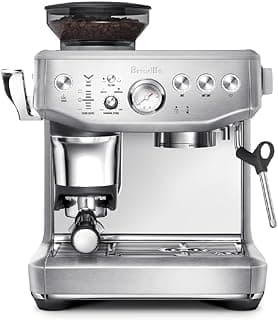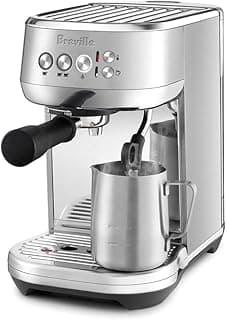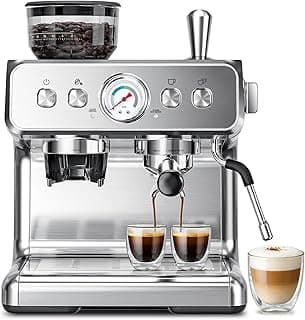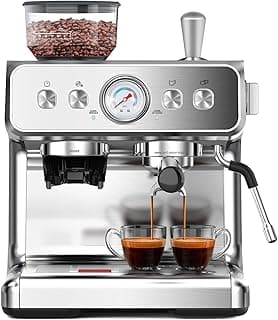

Buying Guide
Size and counter footprint
Compact semi‑automatic machines are designed to fit small kitchens, apartments, or office counters. When comparing models look at the machine's width and depth as well as the height under the portafilter and the drip tray — a tall cup or travel mug can require extra clearance. For a wider comparison across form factors and features, see the best semi automatic espresso machines.
- Smaller footprint: choose a model with a shallow depth if you have limited counter space; compact units often sacrifice a little water capacity for a smaller footprint.
- Placement needs: allow space behind the machine for the water tank and enough room above for a cup or pitcher on the cup tray.
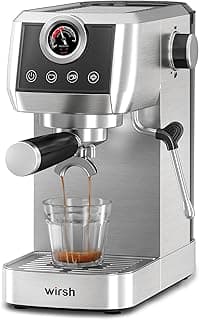
- Example: the wirsh Compact Espresso Machine is positioned specifically as a compact option if counter space is the primary constraint.
Pump pressure and extraction basics
Pressure and consistent extraction are core to good espresso. Many compact semi‑automatic machines advertise a 20‑bar pump, but steady, stable pressure during the actual shot matters more than peak numbers. Also consider whether the machine uses a thermoblock or a small boiler — each affects heat stability and recovery time.
- 15 vs 20 bar: 15‑bar pumps are often sufficient for home use and can be gentler for beginners; some reliable starter models use 15 bars with good results.
- Heat system: thermoblocks warm quicker and save space; boilers hold temperature better but can be larger.
- Example: if you're new to manual extraction, a user‑friendly 15‑bar machine like the Chefman CraftBrew is a sensible starting point.
If you're just getting started, check our best semi automatic espresso machines for beginners for models and features that make learning easier.
Milk frothing and steam wands
If you want lattes or cappuccinos, evaluate the steam wand performance and accessory set. Powerful steam and good wand control produce microfoam; an included frothing pitcher and adjustable wand make practice easier.
- Wand control: look for machines with a responsive steam valve — it helps you control texture and temperature.
- Accessories: a stainless frothing pitcher and removable drip tray simplify steaming and cleaning.
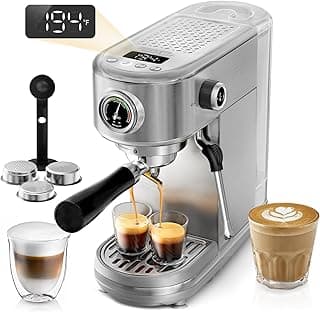
- Examples: several compact machines include a steam wand and pitcher (the XIXUBX model ships with a frothing pitcher), while higher‑end compact units emphasize stronger steam performance for creamier milk.
If you prefer an all‑in‑one solution, some compact models include built‑in grinders — see our best semi automatic espresso machines with grinder for options that simplify dosing and workflow.
Water reservoir, capacity and ease of cleaning
A removable, easy‑to‑fill water tank reduces daily hassle. Larger tanks mean fewer refills but increase overall size. Consider how easy it is to remove the tank, clean the drip tray, and access the brew group for descaling.
- Reservoir size: if you make multiple drinks per day, favor larger tanks (some compact models still offer 40oz+ reservoirs).
- Cleaning access: choose machines with removable drip trays and tanks, and clear manufacturer guidance for descaling.
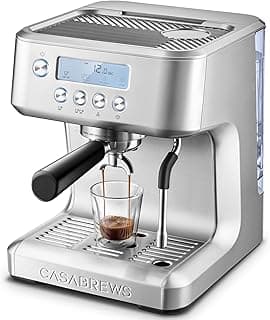
- Example: the CASABREWS 3700 lists a 43.9oz removable tank, which is useful when you want fewer top‑ups without moving to a much larger machine.
If budget and capacity both matter, our best semi automatic espresso machines under $500 list highlights compact machines that still offer usable reservoir sizes.
Controls, build quality and helpful extras
Controls range from simple rocker switches to touch panels and pressure gauges. Think about what level of control you want: a basic on/off and manual shot stop is fine for many users, while a pressure gauge or programmable presets help you dial in consistency.
- Usability: tactile knobs and clear indicator lights are easier to operate than crowded menus.
- Durability: stainless‑steel panels and a solid portafilter indicate better longevity on compact machines.
- Extras: look for features that match your routine — cup warmers, pressure gauges, or a touchscreen if you want more convenience. The AYCHIRO model, for example, includes a pressure gauge and cup warmer for users who want more control without a larger footprint.
FAQ
What should I look for when buying the best compact semi automatic espresso machines?
Look for a small footprint and a removable water tank so the machine fits your counter and is easy to refill. A reliable pump and consistent temperature control matter more than headline specs for extraction quality. Check for a steam wand that turns milk into microfoam if you plan to make cappuccinos and lattes. Also consider build quality, ease of cleaning, and whether replacement parts and customer support are readily available.
Are 20‑bar pumps necessary in compact semi‑automatic espresso machines?
Not really — many manufacturers advertise 20 bars, but espresso extraction typically happens near 9 bars and depends on grind, dose, and tamping. A consistent, well-built pump and stable temperature are more useful than a high maximum pressure number. Prioritize a good grinder and routine technique over chasing pump specs. Reliable pressure stability and repeatability will give you better results than a higher advertised bar rating.
Which compact semi‑automatic espresso machine is best for beginners?
Beginners benefit from straightforward controls, a forgiving steam wand, and an easy-to-remove water reservoir to simplify maintenance. The Chefman CraftBrew is a solid starter choice because it pairs simple controls with a steam wand and a compact reservoir that makes daily use and cleaning less intimidating. Learning to dial in grind and dose will still matter, so pair any beginner machine with good beans and a basic grinder. Look for models with clear on/off indicators and detachable drip trays to speed cleanup.
How do I clean and maintain a compact semi‑automatic espresso machine?
Wipe the steam wand after every use and purge steam briefly to prevent milk buildup, then soak and brush the tip regularly. Empty and rinse the drip tray and removable water tank daily to avoid odors and deposits. Descale according to the manufacturer’s schedule using a recommended descaling solution or vinegar alternative if advised, and replace seals or gaskets when they show wear. Regular backflushing or group-head cleaning (for machines that support it) will keep extraction consistent.
Can compact semi‑automatic machines make consistent cappuccinos and lattes?
Yes — compact semi‑automatic machines with a good steam wand can produce consistent cappuccinos and lattes when you master milk texture and use a reliable grind. Machines with a bit of steam power and a small frothing pitcher let you practice microfoam and pouring technique. If you want a ready example of a compact unit with a steam wand and a removable tank, consider the CASABREWS CM5418. Consistency comes from technique, fresh beans, and routine cleaning as much as from the machine itself.
Final Verdict
After testing compact semi‑automatic machines across price tiers, the strongest models stood out for consistent 20‑bar extraction, a compact footprint, reliable steam‑wand performance, and easy‑access removable water tanks. Weaker options sacrificed build quality, control precision, or useful features like a cup warmer and pressure gauge. Prioritize pressure consistency, temperature control, durable stainless construction, and a straightforward milk‑frothing system—top performers combined those traits while staying small enough for tight counters.
🏆 Best Overall: CASABREWS CM5418 20-Bar Espresso Machine
💰 Best Budget: CASABREWS 3700 Essential 20-Bar Espresso Machine
⭐ Best Premium: XIXUBX 20-Bar Espresso Machine
For higher‑tier compact machines and more feature-rich options under a larger budget, see our best semi automatic espresso machines under $1000 guide.