
Buying Guide
Budget vs. value: what to prioritize
When shopping for the best budget sewing machines, price is important but not the only consideration. Decide whether you need a machine mainly for basic repairs and hems, or for small projects and learning — that determines which features are worth an extra dollar. Low-cost machines that sacrifice build quality for features often mean higher repair or replacement costs later. If you're aiming to spend even less, check our guide to best sewing machines under $200.
- Prioritize: reliable stitch quality, a steady motor, and basic accessories (extra needles, bobbins, and feet).
- Skip or compromise on: dozens of specialty stitches you’ll never use, complex computerized controls you don’t need, or heavy industrial power if you’ll stick to light fabrics.
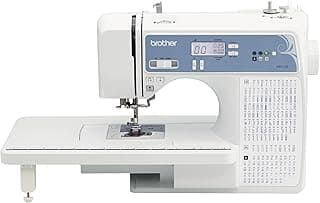
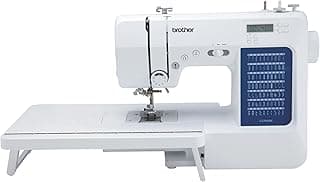
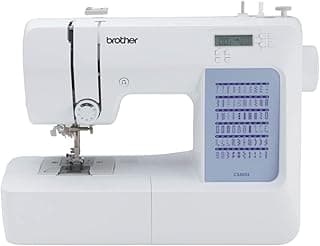
- Example: for a practical balance of price and capability, consider the Brother CS5055, which is positioned as a budget-friendly computerized option with enough stitches and features for most beginners.
Stitch selection and presser feet
The number of built-in stitches matters less than having the right stitches and the presser feet to use them. For mending and simple garments, a good straight stitch, zigzag, and a reliable buttonhole are essential. If you plan to sew knits, look for a stretch stitch or a narrow zigzag.
- Look for: at least a one-step or easy buttonhole, a blind hem stitch, and a zigzag or stretch stitch for knit fabrics.
- Presser feet to want: all-purpose, zipper, buttonhole, and a walking foot or even a nonstick foot for slippery fabrics.
- Strong example: compact yet versatile machines like the Brother XM2701 pair a sensible stitch set with several included feet, making them useful for a range of projects without breaking the bank.
Build quality and motor power
Even on a budget, build quality influences how a machine feels and how long it lasts. Machines with a more robust internal frame or a higher-powered motor handle thicker fabrics more easily and run with less strain.
- Metal components and a steady motor are preferable if you plan to sew denim, canvas, or multiple layers.
- Lightweight, mostly plastic machines are fine for occasional mending, light garments, and crafts — but expect limits with heavy materials.
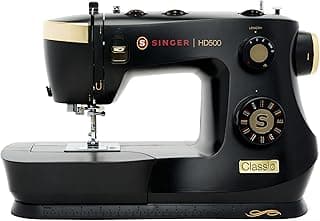
- If durability and power are a priority on a modest budget, consider models known for a stronger build like the SINGER HD 4423, which emphasizes a more powerful motor and reinforced frame for heavier work.
Ease of use and learning features
For new sewists, how easy a machine is to set up and operate will determine whether you keep using it. For step-by-step recommendations tailored to new users, see our best sewing machines for beginners guide. Look for straightforward threading paths, a drop-in bobbin, clear stitch selection, and helpful extras like an automatic needle threader or LED lighting.
- Controls: simple dials or an intuitive LCD are better than cluttered menus for beginners.
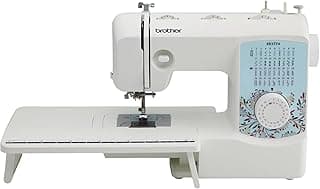
- Convenience: free-arm capability for cuffs and sleeves, and removable extension tables for larger work, improve usability.
- Support: check for clear manuals, online tutorials, and accessible customer service — these reduce frustration while you're learning.
Accessories, maintenance and running costs
Included accessories add value. Machines that come with multiple presser feet, extra bobbins, spare needles, and a dust cover reduce initial outlay. Also factor in ongoing costs: replacement needles, bobbins, specialty presser feet, and occasional servicing.
- Included extras to look for: several presser feet, extra bobbins, a seam ripper, and a storage case or cover.
- Maintenance: learn basic care—clean lint from the bobbin area, oil if recommended, and change needles regularly—to extend a machine’s life.
- Warranty and parts: verify warranty length and how easy it is to get replacement parts or local servicing if something goes wrong.
FAQ
What should I look for when choosing the best budget sewing machine?
Prioritize stitch options, build quality, and the types of feet included because those determine what projects you can tackle. Look for a reliable bobbin system, a sturdy feed dog, and a clear manual or LCD so setup isn’t frustrating. Warranty and easy access to customer support matter more on lower-cost models because repairs can add up. A solid budget example with a good balance of features and value is the Brother CS5055, which offers multiple stitches and helpful conveniences without a high price tag.
Can a budget sewing machine handle denim and other thick fabrics?
Some budget machines can sew light to medium-weight denim, but performance depends on the motor, needle, presser foot pressure, and feed system. Use a heavy-duty or denim needle, reduce stitch length, and sew slowly to avoid skipped stitches or motor strain. For frequent heavy-use projects, consider models built for higher power and metal frames rather than entry-level consumer machines. Test on scraps first to be sure the machine handles multiple layers before starting a real project.
Is a computerized sewing machine worth buying if I'm on a tight budget?
Computerized models add conveniences like stitch selection, automatic buttonholes, and easier tension adjustments, which can speed up learning and precision. They tend to cost more and can be pricier to repair, so weigh the extra features against your likely use. For more on options and features, see our best computerized sewing machines. If you want simple mending and basic sewing, a mechanical model will save money and be more straightforward to maintain — see our best mechanical sewing machines for sturdy, no-frills picks. For occasional advanced features, search for a mid-range computerized machine used by quilters or hobbyists to get the best value.
How much maintenance do budget sewing machines need?
Basic maintenance is minimal but regular: remove lint from the bobbin area, change needles frequently, and oil where the manual recommends. Keep the machine covered when not in use and use quality thread to reduce buildup and tension issues. If it starts skipping stitches or making unusual noises, check threading and the needle first, and then consider professional servicing if problems persist. Routine care will extend the life of even the most affordable models.
Which budget sewing machine is best for beginners who want something simple to learn on?
Beginners should look for a machine with straightforward controls, a free arm for cuffs and sleeves, and a clear threading path to reduce frustration. Compact, user-friendly options designed for mending and basic projects are ideal because they focus on essentials rather than advanced features. A good beginner pick that balances simplicity and capability is the SINGER M1000, which is compact and aimed at light to medium-weight fabrics. Start with a model like that, practice on scraps, and upgrade later if you need more stitches or power.
Final Verdict
After testing top budget sewing machines, the clear winners separated themselves through consistent stitch quality, reliable feeding, and practical accessory packages—weak options tended to skip useful feet or have finicky tension. Prioritize stitch variety, a stable feed dog system, a usable free arm, and included feet/footprint for projects you actually sew. If you want a broader comparison across price ranges and types, see our best sewing machines guide.
🏆 Best Overall: Brother XM2701 — 27-Stitch Lightweight Sewing Machine
💰 Best Budget: Brother CS5055 — 60-Stitch Computerized Sewing Machine
⭐ Best Premium: Mini Sewing Machine Full Set — Beginner Kit with Extension Table