
Buying Guide
Compatibility: match the controller to your platform and game
Before you buy, confirm the controller works with the platform and game you plan to play. Some budget controllers are built specifically for PC and clone‑hero setups, while others target consoles or official game versions like Rock Band. Check whether the controller uses a USB receiver, Bluetooth, or a wired connection—each can affect plug‑and‑play convenience and latency. You can also compare controllers in our best music game controller for picks geared specifically at rhythm game compatibility and responsiveness.
- Look for explicit compatibility listings (PC, Xbox, PlayStation, Switch) and with specific games if you care about official support.
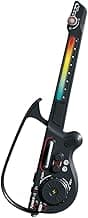
- Consider cross‑platform controllers if you switch devices often; for example, a well‑supported option like the PDP Riffmaster Wireless Guitar Controller includes support for Xbox and PC and is a good model to check for multi‑platform behavior.
Build quality and playability: fret feel, strum bar, and ergonomics
Playability is the most important factor for enjoyment. Even budget controllers can feel satisfying if the fret buttons, strum bar, and whammy/touch surfaces are responsive and durable. Examine photo closeups and reviews for comments about loose parts, sticky buttons, or a flimsy neck.
- Prioritize even, firm fret buttons and a responsive strum bar—these affect timing accuracy more than looks.
- Consider size and balance: a heavier body or awkward strap points can make long sessions uncomfortable.
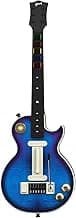
- If you want a proven budget option to compare, the CRKD Gibson Les Paul Guitar Controller is often recommended as a budget pick for its solid build relative to other entry models.
If you're just starting out, also review our best beginner guitar controller guide for models that balance learnability with value.
Connectivity and latency: dongle, Bluetooth, or wired?
Connection type influences latency and reliability. Wired controllers and dedicated 2.4 GHz USB dongles usually offer the lowest latency and most consistent performance; Bluetooth is convenient but can introduce occasional lag or pairing quirks on some systems.
- For rhythm games where timing matters, favor wired or dongle connections when possible.
- Check whether the controller requires drivers or a companion app—plug‑and‑play units reduce setup hassle.
- Read user feedback about intermittent disconnects; budget wireless units sometimes sacrifice range and stability.
For more USB-focused options and controllers designed with PC connectivity in mind, see our best usb music controllers roundup.
Power and battery life: rechargeable vs replaceable batteries
Battery type affects long‑term cost and convenience. Rechargeable controllers eliminate the need for disposable AA/AAA cells, but battery replacement options and charging port durability are worth checking—especially on budget models.
- Rechargeable batteries are convenient, but verify charge time and whether the controller can be used while charging.
- If a controller uses removable batteries, calculate replacement costs and how often you’ll need spares during typical play sessions.
- Look for clear battery life estimates in listings and reliable user reports about how long a charge lasts in real use.
Features, extras, and long‑term value
Decide which extras matter: audio passthrough, strap quality, whammy bar realism, RGB lighting, or included tuners and stomp‑style pedals. For budget shoppers, prioritize features that directly affect play and comfort over cosmetic bells and whistles.
- Essential extras: a comfortable strap, sturdy whammy bar, and an audio jack if you want to plug in headphones or an amp simulator.
- Bonus features like RGB or decorative finishes are nice but shouldn’t outweigh core factors like latency and build quality.
- Factor in warranty and return policy—reputable coverage increases long‑term value for lower‑cost controllers.
If you're considering higher-end alternatives with more durable components and extras, check our best premium guitar controller guide for premium picks and comparisons.
FAQ
What is the best budget guitar controller for beginners?
For beginners who want a reliable, low-cost option, our budget pick balances price and playability without a steep learning curve. It gets consistently good user feedback for comfort and button responsiveness compared with other entry-level models. If you want a quick example to consider, the CRKD Gibson Les Paul Controller is the model we spotlight in this category. Try to buy from a seller with a clear return policy in case you need to test fit and feel.
Can budget guitar controllers work with PC and Clone Hero?
Yes—many budget controllers are compatible with PC and Clone Hero, but compatibility varies by model and connection type. Look for controllers that advertise PC support, USB connectivity, or include a dedicated dongle, and read user reports about plug-and-play behavior. You may need to select the correct input mode or install a simple driver in rare cases. Always check recent reviews to confirm current compatibility before buying.
How durable are cheap guitar controllers and are they worth buying?
Cheap controllers can be perfectly fine for casual play, parties, and practicing songs, but they usually use lighter materials and cheaper switches than premium models. Expect more wear on the strum bar and fret buttons over long-term heavy use, and plan for possible repairs or replacement. If you want something that lasts through intense daily sessions, consider stepping up to a midrange or licensed model. For casual users, the cost savings often outweigh the shorter lifespan.
Do budget guitar controllers support wireless play or rechargeable batteries?
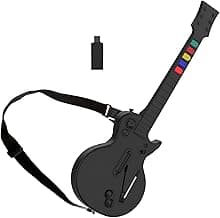
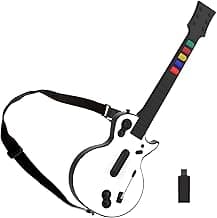
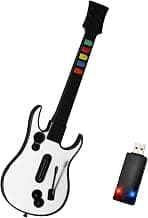
Many budget controllers offer wireless play via a USB dongle or Bluetooth, while others are wired only—feature sets vary by model. Some models include rechargeable batteries or standard battery compartments, so check the listing to confirm what's included. If wireless play matters to you, look for user reports about connection stability and battery life before buying. For example, the NBCP Wireless Controller is one budget option that advertises a dongle for PC use.
What should I look for when choosing the best budget guitar controller?
Focus on platform compatibility, button layout, build quality, and whether it uses a wired connection, dongle, or Bluetooth. Check community feedback on strum-bar feel, fret-button responsiveness, and any input lag reports to avoid surprises. Consider return policies and warranty in case the unit fails quickly, and prioritize sellers with clear support. Finally, balance price against the reviews rather than choosing the absolute cheapest option.
Final Verdict
Top performers stood out for accurate fret and strum response, low input lag, solid wireless reliability and durable build—features weaker budget options commonly sacrificed. For a broader roundup and head-to-head comparisons, see our best guitar controllers. When shopping, prioritize fret feel, button responsiveness, platform compatibility, and battery/wired options. The best controllers combined dependable hardware with plug-and-play setup, giving consistent playability and long-term value without needing constant adjustments.
🏆 Best Overall: PDP RIFFMASTER Wireless Guitar Controller (Rechargeable)
💰 Best Budget: CRKD Gibson Les Paul Guitar Controller (Multi-Platform)
⭐ Best Premium: DOYO Wireless Guitar Controller for PC/PS3 (5-Fret)