
Buying Guide
Sound quality and listening priorities
Decide what “good sound” means for you before you buy. If you listen to bass-heavy genres, look for headphones that emphasize low-end extension without muddying mids; if you prefer podcasts and vocals, prioritize clear mids and intelligible speech. Built-in EQ or an app-based preset system can help tailor a neutral pair to your tastes. For a broader comparison across designs, see our best headphones guide.
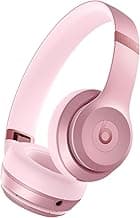
As an example of a balanced, everyday option, consider the Beats Solo 4, which the manufacturer describes as offering powerful, balanced sound while remaining ultra-lightweight—beneficial if you wear them for long periods.
Battery life and charging convenience
Battery life matters most if you commute, travel, or dislike frequent charging. Look for realistic playtime figures (many manufacturers quote maximum continuous playback) and features like quick-charge that give hours of use after a short charge. Also prefer USB-C charging for faster, more universal recharging.
- Target at least a full day of use (20–30+ hours) for travel-friendly models.
- Quick-charge adds convenience—minutes of charge for hours of playback.
- Consider whether the headphones support wired listening as a backup when the battery is dead.
If you're prioritizing value and endurance, our best budget wireless headphones roundup highlights durable low-cost models.
For long battery life with quick-charge support, the Sony WH-CH520 is an example that advertises up to 50 hours of playback and quick charging.
Noise cancellation and microphone performance
If you regularly fly, commute, or work in noisy environments, active noise cancellation (ANC) and good mic quality can transform the experience. Pay attention to whether the ANC is adaptive, how many microphones are used for call clarity, and whether a transparency or ambient mode is provided for safety when you need to hear surroundings.
- Adaptive ANC adjusts to different environments and tends to be more effective in varied settings.
- Multiple microphones and ENC (environmental noise cancellation) improve call quality in windy or crowded places.
- Transparency mode is useful for crossing streets or having quick conversations without removing headphones.
If you want over-ear designs tuned for ANC, check our best bluetooth over ear headphones resource.
The Sony WH-1000XM6 highlights ANC tech in its product description—featuring an HD NC processor QN3, 12 microphones and an Adaptive NC optimizer—making it a strong example if noise control and call clarity are top priorities.
Fit, comfort and portability
Comfort affects how often you wear headphones. Try to match the form factor to your lifestyle: on-ear models are lighter and more compact, while over-ear cups provide more passive isolation and often better long-term comfort. Check for soft ear padding, adjustable headbands, and foldability if you need compact storage.
- Test clamp pressure if possible—too tight causes fatigue, too loose sacrifices isolation.
- Look for swivel or folding hinges and a carrying case for travel protection.
- Consider weight and materials: lightweight plastics reduce fatigue for long listening sessions.
Connectivity, codecs and extra features
Bluetooth version, supported codecs (AAC, aptX, LDAC), multipoint pairing, and companion app support can all affect everyday use. If you watch videos or game, prioritize low-latency connections; for hi-res streaming, check codec support. Companion apps often add EQ controls, firmware updates, and customizable button mappings.
- Multipoint lets you keep two devices connected at once (phone and laptop).
- Codec support matters for Android users (aptX/LDAC) and iOS users (AAC).
- Firmware updates and app customization prolong usefulness and improve performance over time.
For broader wireless options including codec support and low-latency models, see our best wireless headphones guide.
FAQ
Which are the best Bluetooth headphones for everyday use?
For everyday listening you want a comfortable, lightweight pair with solid battery life and balanced sound. The Beats Solo 4 is a strong all-rounder thanks to its ultra-light comfort and long battery life. Prioritize fit if you wear them for hours, and look for quick-pairing with your phone for convenience. Durable build and replaceable cushions are nice extras if you use them daily.
Do Bluetooth headphones have good battery life compared to wired models?
Wired headphones don’t need charging, so they technically “last” longer for nonstop use, but many Bluetooth models now offer 30–70+ hours of battery per charge. Premium wireless options often trade a bit of runtime for features like active noise canceling, while simpler Bluetooth models can reach very long life. If battery is a priority, look for headphones advertised with multi-day playtime—some models boast over 70 hours. Keep a charging cable or a quick-charge feature handy for travel days. For budget picks with great runtime, see our best budget bluetooth headphones.
Are noise-cancelling Bluetooth headphones worth it for travel?
Yes—active noise cancellation (ANC) significantly reduces engine and cabin noise, making flights and long commutes much more comfortable. ANC also helps you keep volume lower, which is better for hearing over time. The Sony WH-1000XM6 is widely praised for its class-leading ANC and overall sound quality, making it a top travel pick. Remember ANC can reduce battery life slightly, so check advertised playtime for nonstop travel days.
What should I look for in Bluetooth headphones for calls and meetings?
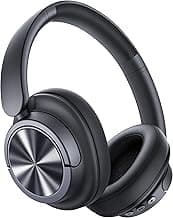
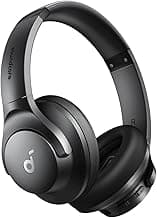
For reliable call quality, prioritize headphones with multiple microphones and environmental noise reduction or ENC to filter background sound. A stable Bluetooth connection and good microphone placement are important for clear voice pickup in noisy environments. Comfort and battery life matter too if you have back-to-back meetings. Models like the Soundcore Q20i are marketed toward professionals with call-friendly features and long ANC-capable battery life.
What's the difference between on-ear and over-ear Bluetooth headphones?
On-ear headphones sit on top of your ears and tend to be lighter and more portable, while over-ear models fully enclose the ear for better passive isolation and generally fuller sound. Over-ear designs usually provide more comfort for long listening sessions and better noise isolation, but they can be bulkier to carry. On-ear sets like the Beats Solo 4 are good for commuting and casual use, whereas over-ear options are often preferred for home listening and travel. Try both styles if you can to judge fit, clamping force, and comfort for your head shape.
Final Verdict
After comparing the field, the strongest Bluetooth headphones separate themselves with balanced sound, reliable wireless connectivity, long battery life and comfortable fit; weaker options fell short on ANC, call clarity or build comfort. Prioritize battery endurance, fit, noise cancellation, and stable codecs for your primary use. The best-performing models all deliver consistent battery life, dependable ANC, comfortable earcups and reliable Bluetooth pairing.
🏆 Best Overall: Beats Solo 4 Wireless On‑Ear — 50‑Hour Battery
💰 Best Budget: Sony WH-1000XM6 Noise Cancelling Wireless Headphones
⭐ Best Premium: Hybrid Active Noise Cancelling Headphones — 120H Playtime