
Buying Guide
Set a realistic budget and compare value
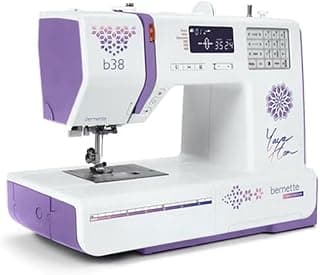
Decide how much you want to spend before you start shopping, then match features to that budget. Entry-level machines cost less but may omit conveniences like an automatic needle threader or a one-step buttonhole, while higher-end models add stitch options and computerized controls. If price is the main constraint, consider a machine positioned as budget-friendly (see our best budget sewing machines)—for example, the Bernette 38—and weigh whether the included features justify the cost.
- Look for bundled accessories if you want immediate sewing value without extra purchases.
- Factor in the cost of needles, bobbins, feet, and maintenance over time.
Match features to your skill level
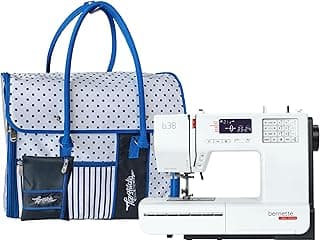
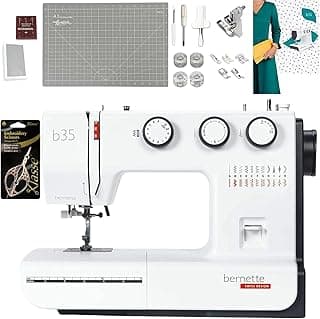
Your experience should guide whether you choose a simple mechanical machine or a computerized model. Beginners usually benefit from straightforward controls and clear threading aids; advanced sewists often prefer adjustable stitch length/width and programmable options. A machine marketed for newcomers (see our best sewing machines for beginners)—such as the Bernette 35 (bundle)—can make learning less frustrating while still handling common projects.
- Beginners: prioritize ease of use, reliable straight stitch and basic buttonhole functions.
- Intermediate/advanced: prioritize stitch variety, presser-foot options, and sewing speed control.
Check stitch options and specialty functions
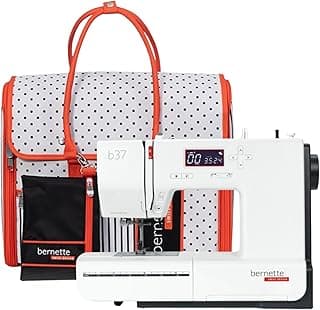
The number and type of stitches matter if you sew garments, do decorative work, or quilt. Look for essential utility stitches (straight, zigzag), a reliable buttonhole system, and any quilting-friendly features like free arm or adjustable feed. If decorative and quilting capabilities are important, consider machines with higher stitch counts and a clear control interface—an example is the feature-rich Bernette B37, which highlights a wider stitch selection and an LCD display for adjustments.
- Buttonholes: one-step systems save time and produce consistent results.
- Quilting: free-arm removal and extension tables make bulky projects easier to handle.
Prioritize build quality and long-term durability
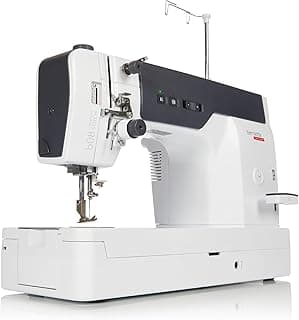
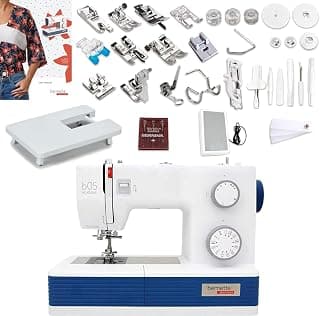
Machines that can handle heavier fabric or frequent use are typically built with sturdier components and better motors. If you plan to sew regularly, repair or replacement parts availability and a reputation for longevity are worth researching. Professional-grade and heavy-duty models often cost more but deliver consistent performance; for sewists who need that level, the Bernette B77 is positioned toward higher-use scenarios.
- Check user reviews for notes on reliability and how the machine handles thick fabrics.
- Consider warranty length and the manufacturer’s service network in your region.
Think about accessories, expandability and support
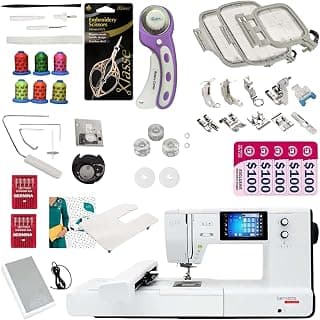
Accessories (extra presser feet, bobbins, quilting kits) influence what projects you can tackle immediately. Also consider how easy it is to add optional feet or attach specialty tools later. Good customer support, clear manuals, and an active user community make troubleshooting and learning faster. Before buying, confirm which accessories are included and whether replacement parts or optional add-ons are readily available.
- Look for clear documentation and accessible online resources or local dealers for repairs.
- Bundles can be helpful for beginners but verify the quality and usefulness of included extras.
FAQ
Which Bernette sewing machine is best for beginners?
For new sewists look for a model with straightforward controls, reliable stitch options, and included accessories so you can start right away. The Bernette 35 with its exclusive bundle is marketed toward beginners because the package adds useful extras and simplifies setup. Start with simple straight and zigzag projects to build confidence before moving to more advanced techniques. Check that the machine’s manual and online support are easy to follow—those resources make learning much faster.
What Bernette model should I pick for quilting?
If you plan to quilt regularly, choose a machine with a larger stitch selection, a free arm, and good feed control for multiple layers. The Bernette B37 is a strong quilter’s option thanks to its advanced sewing and quilting features like adjustable stitches, a free arm, and a one-step buttonhole. A bright LED light and a stable work surface also help when you’re handling thick batting and multiple seams. Consider pairing the machine with a walking foot or an extension table for smoother quilting (see our best sewing cabinets for quilting).
Can Bernette machines handle heavy fabrics like denim or canvas?
Yes, some Bernette models can handle heavier fabrics, but not all are equally suited to constant heavy-duty use. Look for a machine with a sturdy build, strong feed dogs, and the ability to take heavier needles and thicker thread. Use appropriate heavy-duty needles, slow your stitch speed, and consider a presser foot designed for thick layers to avoid skipped stitches. If you plan frequent heavy work, choose a model advertised as heavy-duty or built for professionals.
Should I buy a computerized or mechanical Bernette machine?
Computerized machines give more stitch options, presets, and easier adjustments, which helps for varied or precision work (see our best computerized sewing machines), while mechanical machines are simpler, often more durable, and easier to repair (see our best mechanical sewing machines). If you want more automation and screen-based controls, a computerized model makes sense; if you prefer straightforward knobs and fewer settings, pick a mechanical machine. The Bernette B33 is a common mechanical recommendation for users who want simplicity and portability. Base your choice on the types of projects you’ll sew and how much automation you want.
How should I maintain a Bernette sewing machine to keep it working well?
Regular maintenance keeps any sewing machine running smoothly: clean lint from the bobbin area and feed dogs after several projects, change needles often, and use the correct thread and needles for each fabric. Follow the manufacturer’s guidelines for lubrication and scheduled servicing—some tasks you can do at home, while others are best left to a technician. Store the machine covered in a dry place and avoid stacking heavy items on top. Routine care prevents skipped stitches and extends the machine’s lifespan.
Final Verdict
Top Bernette machines separated themselves through consistent stitch quality, solid construction, and practical convenience—automatic buttonholes/needle threaders, helpful presser feet, and clear controls. Prioritize build and threading ease for frequent use, stitch selection for creative projects, and quilting or free‑arm capability if you sew garments or quilts. The highest performers combine reliable tension, user-friendly controls, and useful accessories so beginners gain confidence while advanced users unlock quilting and specialty stitch options.
🏆 Best Overall: Bernette B35 23-Stitch Heavy-Duty Sewing Machine, Quilting Capable
💰 Best Budget: Bernette 38 Computerized Sewing Machine, Swiss Design
⭐ Best Premium: Bernette B37 Computerized Sewing Machine, 50 Stitches, LCD