
Buying Guide
Power and speaker matching
One of the most important decisions is matching amplifier power to your speakers. Look for an amplifier that can comfortably deliver the speaker's recommended continuous (RMS) power across the impedance you plan to use. Underpowering an amp can limit dynamics; overpowering a speaker risks damage if you crank volumes. Consider headroom — an amp that can deliver short bursts of extra power will sound cleaner at louder levels.
- Check the amp's rated output at the speaker impedance you intend to use (4 Ω vs 8 Ω).
- Prefer an amp with a little more continuous power than your speakers’ nominal rating rather than one that barely meets it.
- For systems with a dedicated subwoofer, a separate mono sub amp or powered sub is often preferable to relying on a small stereo amp.
See best power amplifiers for recommended subwoofer amps and monoblocks.
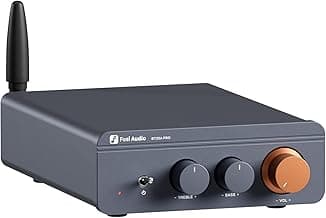
For a compact home setup that balances usable power with affordability, the Fosi Audio BT20A is a common choice among buyers looking for reliable performance in small spaces.
Amplifier class and sound character
Amplifier topology (Class A, A/B, D, tube/hybrid) affects efficiency, heat, size, and the perceived tonal character. Class D amps are compact and efficient — great for tight spaces or outdoor use — while Class A/B and tube/hybrid designs can offer a different harmonic presentation that some listeners prefer for music reproduction. For model recommendations focused on stereo setups, check our best stereo amplifiers.
- Choose Class D if you need a lightweight, efficient amp for bookshelf speakers or multi-channel setups.
- Consider tube or hybrid designs if you prioritize a warm, musical midrange and don't mind larger chassis and higher maintenance.
- Read listening notes and user feedback to understand the amp’s tonal tendencies rather than relying on specs alone.
Inputs, connectivity and extra features
Think about the sources you’ll connect now and in the future. Basic stereo amps provide analog RCA inputs, but many modern amps include Bluetooth, digital inputs (optical/coaxial/USB), built-in DACs, or a phono preamp for turntables. Network-enabled or streaming-friendly amps simplify integration with multiroom systems.
- Bluetooth is convenient for casual listening; look for Bluetooth 5.0 or higher for more stable connections and range.
- If you use a turntable, confirm whether a phono preamp is built in or if you’ll need an external one.
- Digital inputs and a quality DAC matter if you stream high-resolution files from a computer or music streamer.
If you want a straightforward, network-aware option that’s easy to set up for living-room audio, consider the Sonos Amp, which is often recommended for users who value simple streaming and integration with smart home systems.
Form factor, installation and use case
Decide where the amp will live and how it will be used. Compact desktop or shelf amps are ideal for small rooms, while larger integrated or rack-mounted units suit dedicated listening rooms or home theaters. For automotive or subwoofer applications, look for class-appropriate car amps and bridging options.
- Measure the installation space and ventilation — some amps need airflow to stay cool.
- For car audio or high-power subwoofer duties, dedicated monoblocks and car-rated amplifiers are the right choice.
- Guitarists should look at instrument-specific amps with inputs and tonal controls tailored to pickups and pedals.
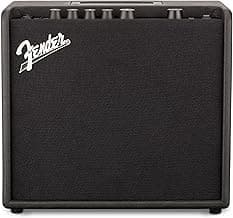
Manufacturers like Skar Audio and Taramps specialize in car-focused and high-power multichannel solutions, while brands such as Fender and Flatsons offer compact practice amps designed for guitarists.
Budget, reliability and long-term ownership
Set a realistic budget and weigh initial cost against expected longevity and serviceability. Entry-level class D amps can deliver excellent value, while higher-end integrated or tube models may require more investment but offer features and longevity that justify the price for enthusiasts.
If you’re price-conscious, check our best budget amplifiers roundup for alternatives that balance features and cost.
- Look for solid build quality, a clear warranty, and accessible user reviews that report real-world reliability.
- Consider whether you’ll want upgrade paths (better DAC, external preamp, or more channels) in the future.
- Account for speaker and cabling costs when building a system — a cheap amp with good speakers will usually sound better than the reverse.
For tight budgets where sound and features still matter, the Fosi Audio BT20A Pro is frequently cited as a value-oriented option for small stereo setups.
FAQ
What is the best amplifier for general home audio use?
For most home setups look for an integrated amplifier with clean power, multiple inputs (RCA/optical/Bluetooth) and stable impedance support so it pairs well with bookshelf or floorstanding speakers. A compact Class D amp like the Fosi Audio BT20A is a popular all-around choice because it balances size, connectivity and straightforward controls for everyday listening. If you plan to stream or expand into multiroom audio, consider a more feature-rich option such as the Sonos Amp for easier ecosystem integration. Also pay attention to your room size and speaker sensitivity when choosing wattage to avoid under- or overpowering the speakers.
Which amplifier should I get for powering a car subwoofer?
For car subwoofers you generally want a monoblock Class D amp with reliable RMS output and strong low-frequency control, plus a remote level control for easy tuning from the cabin. The Skar RP-1200.1D is often recommended because it includes a remote gain control and robust build suited to sub use. Be sure to match the amp’s RMS rating to your subwoofer’s RMS power and use the proper gauge wiring and secure grounding. If you’re not comfortable with installation, a professional installer can avoid common wiring and tuning mistakes.
Are Bluetooth amplifiers good for outdoor speakers?
Bluetooth amps are convenient for outdoor listening because they let you stream from a phone without running long signal cables, but you should protect the amp from weather and temperature extremes. Budget Bluetooth models such as the Fosi BT20A Pro are commonly used for patios and porches because they combine wireless convenience with simple tone controls. For best results place the amp in a sheltered enclosure, match the amp’s power to your speakers, and choose speakers rated for outdoor use if the installation is permanent. If you need a truly weatherproof setup, look for marine-rated components instead of consumer Bluetooth amps.
Which amplifier is easiest for beginners who want streaming and TV integration?
If you want a simple setup with streaming services and TV hookup, look for an amp that supports common streaming protocols and has HDMI or optical inputs for your TV. The Sonos Amp is designed for beginners who prefer a plug-and-play experience with built-in streaming, easy app control and TV integration. It powers passive speakers while keeping setup and multiroom control intuitive, so you won’t need to wrestle with complex audio routing. Keep in mind the Sonos ecosystem works best if you intend to use multiple Sonos devices, so evaluate whether that fits your long-term plans.
How do I match an amplifier to my speakers?
Start by checking the speaker’s nominal impedance and recommended amplifier power range, then choose an amp that can comfortably drive that impedance and provide headroom above the speaker’s RMS rating. Also consider speaker sensitivity: higher-sensitivity speakers need less power to reach the same loudness, which lets you use a lower-powered amp effectively. Verify the amp has the inputs you need (phono, optical, Bluetooth) so it matches your sources, and ensure stable cooling and proper ventilation where the amp will sit. When in doubt, consult the speaker manufacturer’s recommendations or ask an audio specialist for a safe match. If you're still selecting speakers, see best loud speakers to help pick models that match your amp's power and room.
Final Verdict
After testing the field, the strongest amplifiers stood out for reliable, steady power delivery, sensible controls, and dependable connectivity — not flashy specs alone. Buyers should prioritize real-world power and channel needs, efficient thermal design, input options (RCA/Bluetooth/DAC), and easy tone control. The top performers consistently delivered clean amplification, solid build quality, and straightforward setup, making them dependable choices whether you need home stereo, sub drive, or multi-channel power. For deeper reviews and head-to-head tests see best audio amplifiers.
🏆 Best Overall: Fosi Audio BT20A Bluetooth Stereo Amplifier
💰 Best Budget: Fosi Audio BT20A Pro Bluetooth 5.0 Amplifier
⭐ Best Premium: Taramps TS 400x4 4-Channel Class D Amplifier